


Everything You Need to Know About How High Efficiency Systems Reduce Summer Costs
HVAC
Why Summer Utility Bills Are Higher Than They Need to Be
How high efficiency systems reduce summer costs comes down to one straightforward idea: modern plumbing and water heating equipment does the same job as older systems — providing reliable hot water and clean water flow — while using significantly less energy and water to do it. If your summer utility bills feel like they climb higher every year, you’re not imagining it. Water heating alone accounts for roughly 18% of a typical household’s energy use, and during the busy summer months of increased laundry, showers, and outdoor water use, these expenses can skyrocket. For South Shore homeowners running aging water heaters through busy Massachusetts summers, finding ways to optimize efficiency hits close to home.
Here’s a quick look at how high-efficiency plumbing upgrades cut summer utility costs:
| Efficiency Upgrade | Potential Savings |
|---|---|
| Replace standard water heater with tankless | Significant reduction in water heating energy |
| Upgrade to ENERGY STAR certified water heater | Lower monthly utility bills |
| Install low-flow showerheads and faucets | Reduced water consumption |
| Insulate hot water pipes | Improved thermal retention |
| Schedule annual water heater maintenance | Restored operating efficiency |
The gap between a standard plumbing system and a high-efficiency one is substantial. Homeowners who upgrade to modern tankless water heaters or high-efficiency fixtures can realistically cut their water heating energy consumption. And that’s before factoring in preventative maintenance or smart leak detection strategies.
I’m Marc Provenzano, Marketing Manager at Blue Bear Plumbing, and I’ve spent years working alongside the licensed plumbing technicians and customers who live and breathe how high efficiency systems reduce summer costs every day. That experience has given me a front-row seat to what actually moves the needle for homeowners — and I’m here to break it all down clearly.
How High Efficiency Systems Reduce Summer Costs: The Science of Savings
To truly understand how modern plumbing and water heating systems keep your home comfortable without draining your bank account, we have to look at the basic physics of water heating. Traditional tank-style water heaters operate on a simple but highly inefficient principle: they constantly heat and reheat a large volume of water (usually 40 to 50 gallons) all day and night, regardless of whether you are using it. This is known as standby heat loss.
This process is incredibly energy-intensive. Standard systems consume massive amounts of fuel or electricity to maintain a set temperature around the clock. During the summer, when household water demands spike due to frequent showers, laundry, and cleaning, standard water heaters work overtime, leading to high utility bills.
High-efficiency systems, on the other hand, are designed around the science of on-demand heating and advanced thermal transfer. Instead of maintaining a massive tank of hot water, high-efficiency tankless water heaters use powerful burners or heating elements to heat water instantly as it flows through the unit. Because they are engineered with advanced heat exchangers and electronic controls, they require far less energy to deliver endless hot water.
| Performance Metric | Standard Tank Water Heater | High-Efficiency Tankless System |
|---|---|---|
| Heating Method | Continuous storage heating | On-demand heating |
| Energy Factor (EF/UEF) | Lower (typically 0.58 to 0.64) | High (typically 0.80 to 0.95+) |
| Standby Heat Loss | High (constantly reheating water) | None (only heats water when flowing) |
| Lifespan | Standard | Extended |
| Space Requirement | Large footprint | Compact, wall-mounted |
How High Efficiency Systems Reduce Summer Costs Through UEF Ratings
If you have shopped for a new water heater recently, you have likely run into the term UEF (Uniform Energy Factor). UEF is the industry standard for measuring water heater efficiency, replacing the older Energy Factor (EF) rating. It measures the ratio of useful energy output to the total energy consumed by the water heater.
A higher UEF rating means the system is more efficient at converting energy into hot water. When you upgrade from an older, sediment-filled tank system to a modern unit with a high UEF rating, you can expect to slash your water heating energy consumption.
Choosing the right rating requires balancing your upfront investment with your expected long-term utility savings. If you are trying to decide whether your current unit has reached the end of its useful life, check out our guide on How to Decide Between HVAC Repair and Replacement Without Losing Your Cool to make an informed decision for your home.
How High Efficiency Systems Reduce Summer Costs with Tankless Technology
The real magic behind modern high-efficiency plumbing lies in tankless water heaters. If a standard tank water heater is like a pot of water constantly boiling on the stove, a tankless system is like a high-speed kettle that only heats up when you need a cup of tea.
Tankless systems use advanced flow sensors to detect when a hot water tap is opened in your home. The system instantly ignites the gas burner or activates the electric heating elements, heating the water to your precise desired temperature as it travels through the heat exchanger.
This on-demand operation delivers several major benefits:
- Elimination of standby energy loss: Because tankless systems do not store hot water, they completely eliminate the energy wasted by traditional tanks constantly cycling on and off to keep water hot.
- Endless hot water supply: Since water is heated on demand, you will never run out of hot water, even during back-to-back summer showers or heavy laundry days.
- Reduced wear and tear: Avoiding the constant heating and cooling cycles of a traditional tank reduces thermal stress on the system’s components, extending the overall lifespan of your equipment.
Comparing High-Efficiency Water Heaters: Tankless vs. High-Efficiency Tank Systems
When upgrading your home comfort system, you are no longer limited to standard water heaters. Modern high-efficiency options have become some of the most popular and efficient plumbing upgrades on the market.
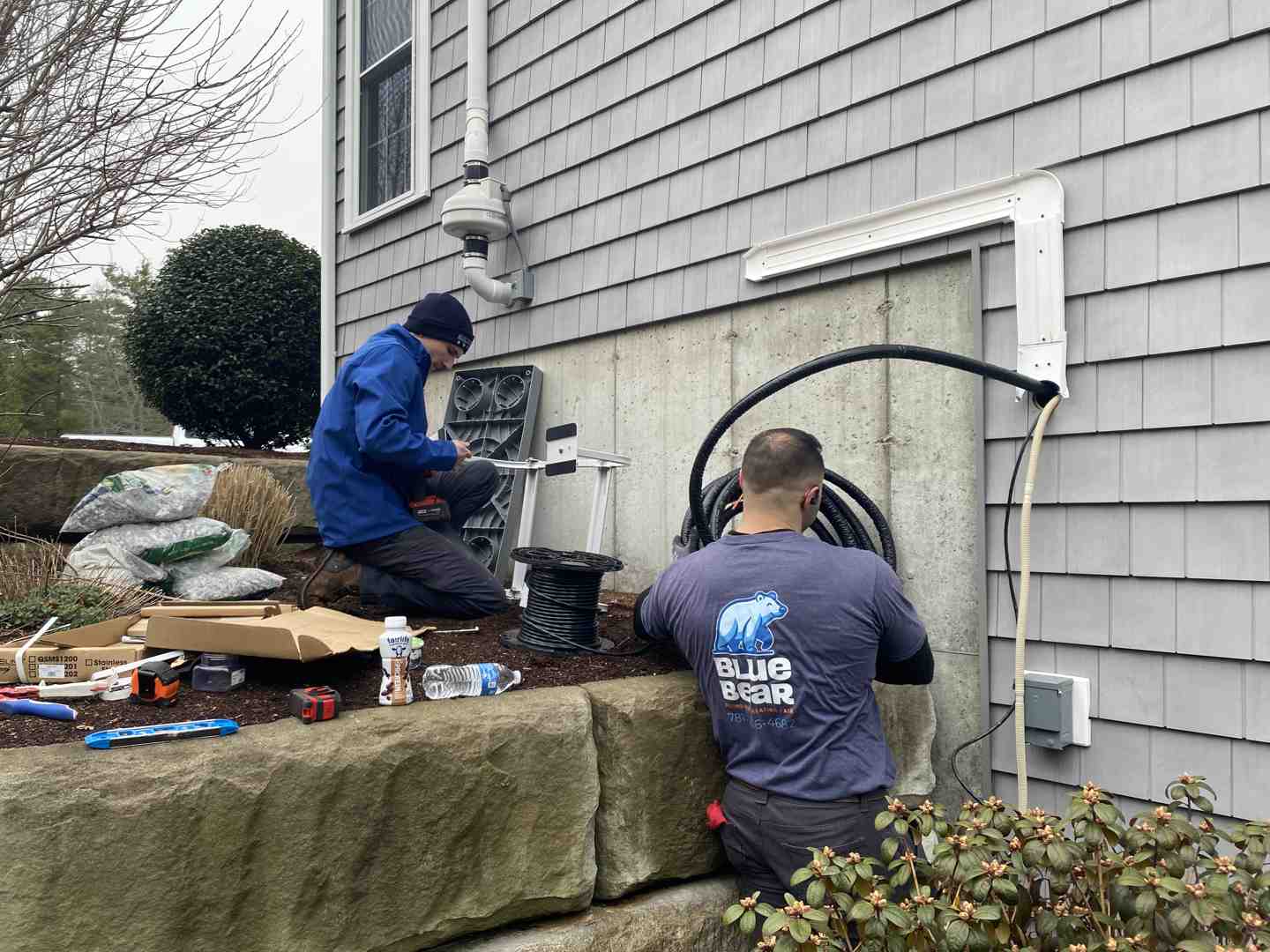
Many homeowners are surprised to learn that high-efficiency water heaters can operate significantly more efficiently than standard entry-level models. Whether you choose a tankless system or a high-efficiency tank-style water heater, both systems are designed to optimize energy transfer and reduce standby heat loss.
Because high-efficiency systems are designed to optimize energy use year-round, they often feature incredibly advanced burner technology or heat pump integration. In the summer, a high-efficiency water heater can operate much more efficiently than a standard model. This is a massive advantage in coastal Massachusetts communities where summer utility bills can quickly add up.
Choosing the right system configuration and maintenance plan is key to keeping your operational costs low. To learn more about selecting the right service approach for your household, read our article on how to Stop Overpaying for HVAC with the Right Service Model.
Tankless Water Heaters: High-Efficiency Hot Water Without the Tank
For homes in historic South Shore neighborhoods, upgrading to a high-efficiency plumbing system can offer an incredibly efficient, non-invasive alternative to traditional bulky appliances. Tankless water heaters are a prime example of this modern efficiency.
A tankless water heater consists of a compact, wall-mounted unit that connects directly to your plumbing lines. Because these systems do not rely on a large storage tank, they completely bypass standby energy loss. According to energy experts, standby losses can account for a significant portion of a water heating system’s total energy consumption, especially if those tanks are located in unconditioned spaces like cold basements.
Tankless systems also unlock the power of on-demand heating. Instead of heating a massive tank of water to a single temperature all day, tankless units allow you to heat water only when you turn on a tap. You can enjoy endless hot water for your active living spaces while saving a substantial amount of energy when the system is idle.
If you are trying to decide which system style fits your home and budget best, take a look at our detailed breakdown: Will a Mini Split Save You More Money Than Central Air?.
Maximizing Your Savings: Smart Fixtures, Insulation, and Maintenance
Investing in a high-efficiency plumbing system is the first step, but how you manage your home’s water usage and system settings will determine your ultimate savings.
To get the absolute most out of your new equipment, we recommend focusing on these high-impact habits and upgrades:
- Install low-flow fixtures: Upgrading to WaterSense certified showerheads and faucets can save a significant amount of water and energy. These devices reduce water flow without sacrificing pressure, ensuring you never waste money heating unnecessary water.
- Maintain temperature discipline: Lowering your water heater’s thermostat setting to 120°F can reduce your standby energy consumption. This simple adjustment keeps your water perfectly comfortable while keeping your utility bills low.
- Insulate your hot water pipes: Even the most efficient water heater will struggle if heat is constantly escaping. Insulating exposed hot water pipes can improve your system’s overall efficiency and reduce the time it takes for hot water to reach your taps.
- Schedule professional maintenance: Just like a car, your plumbing and water heating systems need regular tune-ups to maintain peak efficiency. To understand how preventative care protects your investment, read our article on Why Paying for HVAC Maintenance Now Saves Your Wallet Later.
The Risks of Neglecting Your Water Heating System
It is easy to adopt an “out of sight, out of mind” attitude toward your water heater until it suddenly stops working on a busy summer afternoon. However, neglecting basic upkeep has a direct, compounding impact on your monthly utility bills.
Over time, sediment and mineral scale accumulate inside your water heater’s tank or heat exchanger. This buildup acts as an insulating barrier between the burner and the water, forcing your system to work significantly harder to heat the water. This restricted heat transfer can cause a neglected water heater to lose a substantial portion of its operating efficiency.
This loss of efficiency forces your system to run longer, harder cycles to meet your hot water demands. Over time, these extended run cycles accelerate mechanical wear, leading to premature component failures and high energy bills. To learn more about the hidden dangers of skipping your annual tune-ups, check out our guide on From Cold Showers to High Bills: The Risks of HVAC Neglect.
Frequently Asked Questions About High-Efficiency Plumbing and Water Heaters
What is the difference between standard and high-efficiency water heaters?
High-efficiency water heaters, such as tankless systems or advanced tank models, are designed to use significantly less energy to heat water. While standard water heaters constantly heat and reheat water in a storage tank (leading to standby energy loss), high-efficiency tankless systems heat water on demand, only when you turn on a tap. This drastically reduces energy consumption and lowers your utility bills.
Are there tax credits or rebates for installing high-efficiency systems in Massachusetts?
Yes! Massachusetts homeowners have access to some of the most robust energy-efficiency incentives in the country. Through the Mass Save program, you can qualify for substantial rebates when installing qualifying high-efficiency heat pump water heaters or tankless systems. Additionally, federal tax credits under the Inflation Reduction Act allow you to claim a portion of the installation cost for qualifying energy-efficient upgrades.
For a complete breakdown of how to maximize these savings, read our detailed guide on the 2023 HVAC Installation Tax Credits Massachusetts.
Do plumbing maintenance plans actually save money?
Absolutely. A comprehensive preventative maintenance plan ensures that your water heater and plumbing systems are thoroughly cleaned, flushed, and calibrated before the summer demands arrive. By catching minor issues—like sediment buildup or a slight valve leak—before they turn into major breakdowns, you prevent emergency repair costs and keep your system operating at its peak rated efficiency.
If you want to see how these plans pay for themselves over time, explore our analysis: Do Maintenance Plans Actually Save You Money in the Long Run?.
Looking for Energy-Efficient Plumbing Upgrades in South Shore, MA?
At Blue Bear Plumbing, we are proud to be the trusted, local plumbing experts serving Norwell, Natick, Quincy, and the surrounding Massachusetts communities. Our friendly, licensed team is dedicated to helping homeowners find reliable, high-efficiency plumbing solutions tailored to their unique homes. Whether you are looking to replace an aging water heater with a modern tankless system, install water-saving fixtures, or schedule preventative plumbing maintenance, we provide dependable service, transparent communication, and high-quality workmanship.
Ready to take control of your summer utility bills and enjoy unmatched home comfort? Schedule a Mass Save Energy Audit with Blue Bear Plumbing, Heating & Air today to find the perfect efficiency upgrades for your home!
Contact Us Today

Routine maintenance is vital for the longevity of your plumbing, heating, and air conditioning systems. Sign up for our Blue Care Maintenance Plan for annual service and exclusive membership benefits, including:
- Priority scheduling
- Waived service fee during normal business hours
- 10% discount on service calls
- 3% discount on new installations
- Two-year parts and labor warranty on new equipment