




Why Paying for HVAC Maintenance Now Saves Your Wallet Later
HVAC
Is Annual HVAC Maintenance Worth It for South Shore Homeowners?
annual hvac maintenance is it worth it — and for most South Shore homeowners, the answer is a clear yes. Here’s a quick breakdown of why:
Quick Answer: Is Annual HVAC Maintenance Worth It?
| Factor | With Annual Maintenance | Without Annual Maintenance |
|---|---|---|
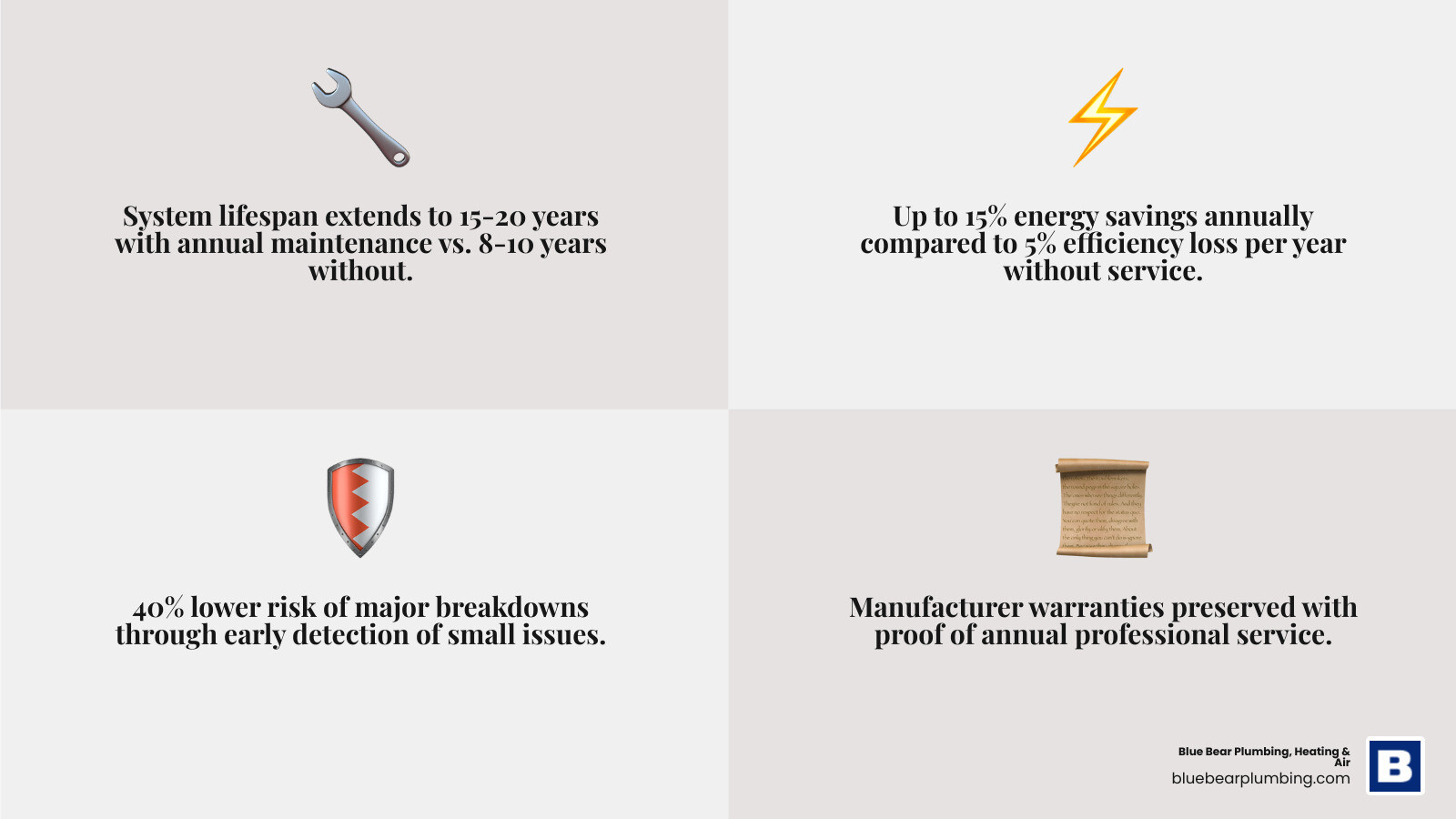
| System lifespan | 15-20 years | As few as 8-10 years |
| Energy efficiency | Up to 15% savings on energy use | Efficiency drops ~5% per year |
| Breakdown risk | Significantly reduced | 40% higher chance of major failure |
| Warranty protection | Typically preserved | May be voided |
| Small issues | Caught early and fixed cheaply | Can escalate into costly repairs |
Your HVAC system is quietly one of the hardest-working — and most expensive — appliances in your home. It runs through humid summers and cold New England winters without much thought from most homeowners. That changes fast when something goes wrong.
Skipping yearly service might feel like a smart way to save money in the short term. But the reality is that neglected systems work harder, wear out faster, and tend to fail at the worst possible times. One unnoticed refrigerant leak, for example, can quietly escalate into full compressor failure — a repair bill that dwarfs years’ worth of tune-up costs combined.
The good news is that staying ahead of these problems doesn’t require a big commitment. Regular professional maintenance keeps your system running efficiently, protects your warranty, and gives you one less thing to worry about as a homeowner.
I’m Marc Provenzano, Marketing Manager at Blue Bear Plumbing, Heating & Air, and I’ve spent years working alongside the technicians and customers who understand why annual hvac maintenance is it worth it is such a common — and important — question for South Shore homeowners. Let’s walk through exactly what you need to know to make a confident, informed decision.
In April 2026, as we look at the rising costs of utilities and home equipment, the value of preventative care has never been higher. When we think about our cars, we wouldn’t dream of driving 50,000 miles without an oil change. Yet, many homeowners in towns like Braintree or Norwell allow their heating and cooling systems to run for years without a single checkup.
The primary goal of maintenance is “loss prevention.” You aren’t just paying for someone to look at your furnace; you’re paying to ensure you don’t have to replace a multi-thousand-dollar system five to seven years earlier than necessary. For those wondering when to get AC tuned up in Massachusetts, the transition seasons of spring and fall are the ideal windows to ensure your comfort isn’t interrupted when the weather gets extreme.
What Does a Professional HVAC Tune-Up Include?
A professional visit is far more than a simple visual inspection. It is a comprehensive “physical” for your home’s mechanical heart. When our technicians arrive at a home in Natick or Quincy, they follow a rigorous multi-point checklist designed to optimize every aspect of the system’s performance.
Deep Cleaning and Airflow Optimization
Dust is the natural enemy of efficiency. Think of it like trying to run a marathon while wearing a heavy winter coat—that’s what your AC feels like when the coils are caked in grime.
- Coil Cleaning: We clean both the evaporator and condenser coils. Dirty coils force the system to run longer cycles to achieve the same temperature, which spikes your electric bill.
- Filter Replacement: While homeowners should do this regularly, we ensure the correct MERV-rated filter is in place to balance air purity with system longevity.
- Blower Maintenance: Cleaning the blower components ensures that the air you’re paying to cool or heat actually makes it into your living spaces.
Electrical and Mechanical Safety
Over time, the vibrations of a running HVAC system can loosen electrical connections. This can lead to “ghost” problems—intermittent shutdowns that are frustrating and hard to diagnose.
- Tightening Connections: We inspect all wiring to prevent short circuits or part failures.
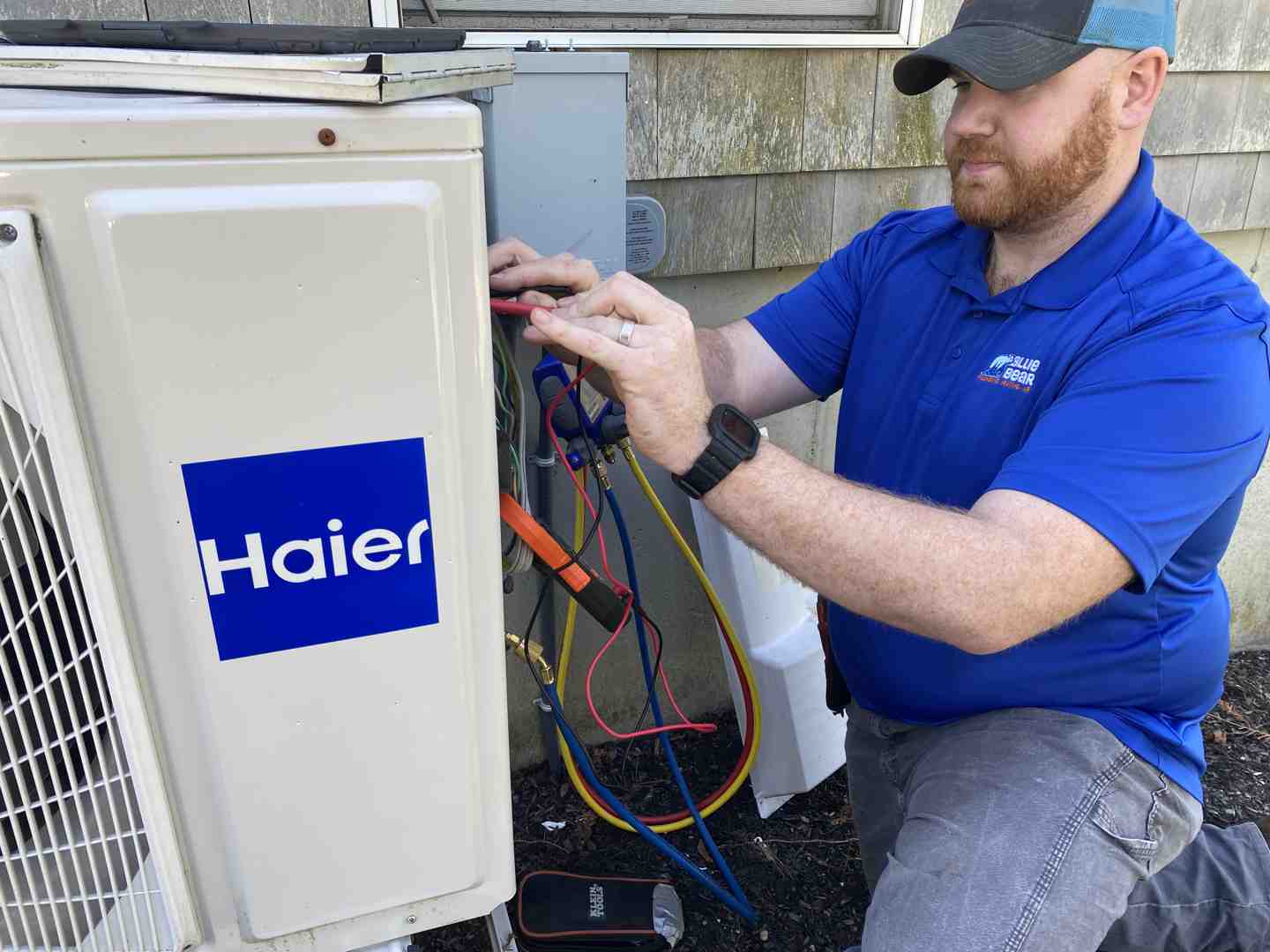
- Capacitor Testing: We test the capacitors that start your motors. Replacing a failing capacitor is a small fix that prevents a much larger motor burnout later.
- Lubrication: Moving parts like bearings and motors need proper lubrication to reduce friction and heat, which are the leading causes of mechanical wear.
Performance and Safety Checks
- Refrigerant Levels: If your refrigerant is low, your system has a leak. We identify these early to prevent your compressor from overheating and failing.
- Thermostat Calibration: We ensure your thermostat is communicating correctly so the system doesn’t run longer than necessary.
- Safety Inspections: For gas furnaces, we check for cracked heat exchangers and blocked exhaust pipes. These are critical for preventing carbon monoxide from entering your home.
For a deeper dive into what you should be looking for each season, check out our Seasonal Plumbing HVAC Maintenance Checklist for South Shore Residences. If you’re feeling handy, you can also learn how to clean your AC to help maintain efficiency between professional visits.
The Long-Term Benefits of Regular System Care
The question of whether annual hvac maintenance is it worth it usually comes down to the return on investment (ROI). While there is an upfront cost for the service, the long-term savings are substantial.
Substantial Energy Savings
According to the U.S. Department of Energy, regular maintenance can reduce your monthly utility bills by 5% to 15%. In a state like Massachusetts, where energy costs can be quite high, those savings add up quickly. A well-maintained system operates more efficiently, meaning it reaches your desired temperature faster and stays there with less effort.
Extended Equipment Lifespan
The average HVAC system is designed to last between 15 and 20 years. However, neglected units often fail around the 10-year mark. By investing in annual care, you are effectively adding 5 to 10 years of life to your equipment. This allows you to delay the massive expense of a full system replacement, keeping that money in your pocket longer.
Improved Indoor Air Quality (IAQ)
Your HVAC system is your home’s primary filtration method. Without regular cleaning, the ductwork and units can become breeding grounds for dust, mold, and bacteria. Maintenance ensures that the air circulating through your bedrooms and living rooms is clean and healthy for your family. This is especially important for our neighbors in urban areas like South Boston, where outdoor pollutants are more prevalent.
To ensure your home is ready for the transition into the colder months, we recommend following these 10 Steps to Prepare Your Heating System for the Cold Season.
For older units, is annual hvac maintenance is it worth it?
Many homeowners assume that if a unit is 12 or 15 years old, it’s not worth maintaining anymore. In fact, the opposite is true. Older systems are more prone to catastrophic failure because their components have more “mileage” on them.
A “high mileage” system requires a more delicate touch. Small issues, like a worn fan belt or a slightly clogged drain line, can be the “final straw” for an aging compressor. Regular checkups can keep an older unit running safely and efficiently for several extra years, giving you time to plan and save for an eventual upgrade rather than facing a “no-heat” emergency in the middle of January. If you have an older system, our High Mileage HVAC Checkup is specifically designed to address these aging-related concerns.
DIY vs. Professional Maintenance: What Can You Handle?
We often get asked if homeowners can simply do the maintenance themselves to save money. While we love a proactive homeowner, there is a clear line between DIY tasks and professional requirements.
What You Can (and Should) Do:
- Change Filters: This is the single most important thing you can do. We recommend checking your filters every 30 to 90 days. If you have pets or allergies, monthly is better.
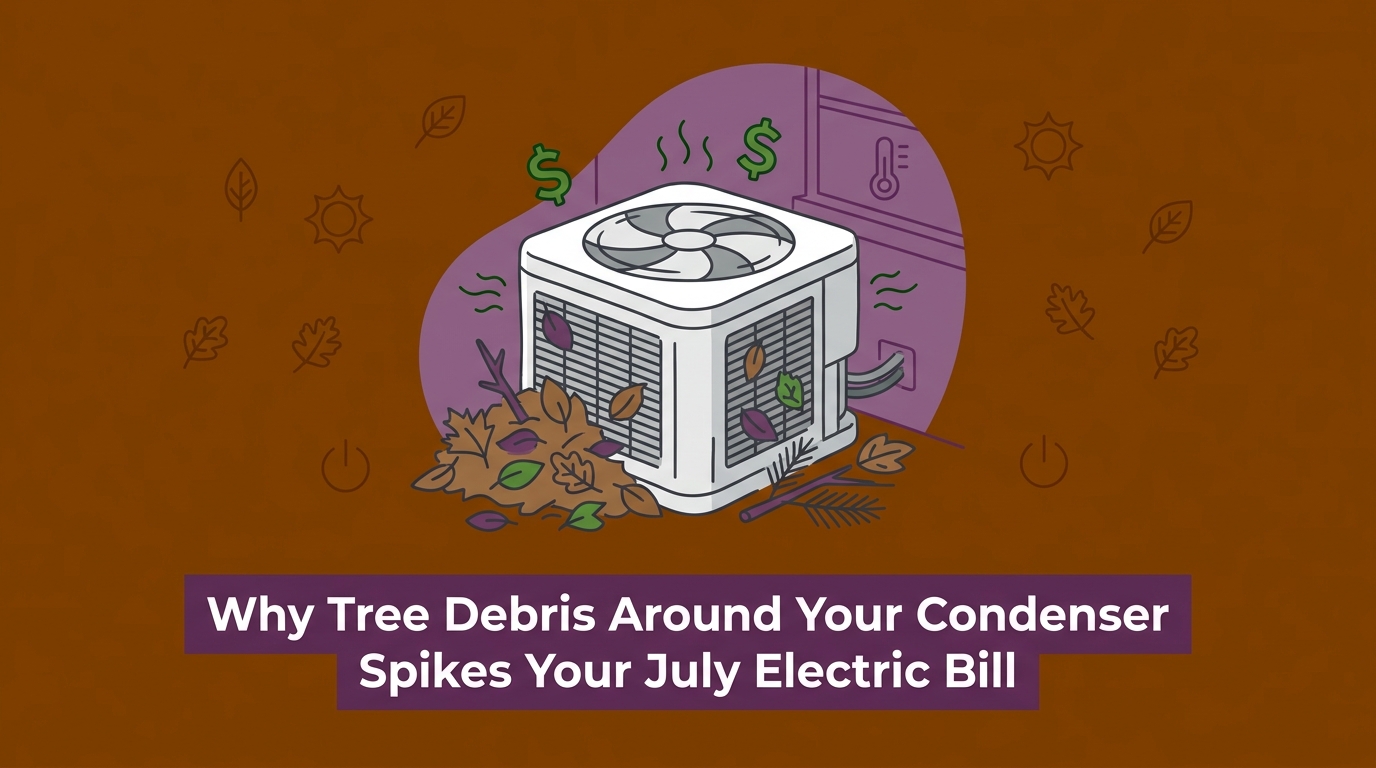
- Clear Debris: Keep the area around your outdoor condenser unit clear. Trim back shrubs and remove leaves or grass clippings to ensure the unit can “breathe.”
- Visual Inspections: Keep an eye out for frozen coils, unusual puddles of water, or strange smells coming from the vents.
- Keep Vents Clear: Ensure that furniture or curtains aren’t blocking your return or supply vents.
For residents in specific areas, we have tailored guides, such as how to master AC maintenance in Natick MA, to help you manage these local environmental factors like pollen and dust.
Why You Need a Professional:
While you can change a filter, you cannot safely check refrigerant pressures or test electrical capacitors without specialized tools and training. HVAC systems involve high-voltage electricity and pressurized gases. Opening the cabinet of your furnace or AC can also void your warranty if not done by a licensed professional. Furthermore, a trained eye can spot a hairline crack in a heat exchanger—a safety hazard that a homeowner would almost certainly miss.
Evaluating Maintenance Plans and Contracts
If you’ve decided that maintenance is a priority, the next step is deciding how to pay for it. Most companies, including us at Blue Bear Plumbing, Heating & Air, offer maintenance plans (often called service agreements).
The Benefits of a Maintenance Plan
- Priority Scheduling: When a heatwave hits the South Shore, every HVAC company gets flooded with calls. Plan members typically jump to the front of the line.
- Repair Discounts: Most plans offer a percentage off any repairs that might be needed throughout the year.
- Peace of Mind: With a plan, we keep track of your service dates for you. You don’t have to remember to call us; we’ll reach out when it’s time for your spring or fall visit.
- Emergency Service: Many plans waive or reduce the “after-hours” fees that usually apply to weekend or holiday emergencies.
Our South Shore Winter Heating Checklist is a great resource to see what we focus on during those critical cold-weather visits.
Deciding on a service plan: annual hvac maintenance is it worth it?
Is a contract better than just calling for a one-time tune-up? For the vast majority of homeowners, the answer is yes. A one-time tune-up is great, but it doesn’t offer the “insurance” benefits of a plan. If your system fails on a Sunday, the savings from the waived emergency fee alone can often pay for the entire year’s plan.
Think of a maintenance plan as a relationship with a technician who knows your home and your equipment. This familiarity allows us to spot trends in your system’s performance over time. For our Norwell neighbors, we’ve put together a Homeowner’s Guide to Norwell AC Maintenance that explains how these plans work in our local climate.
Frequently Asked Questions about HVAC Maintenance
How often should I schedule HVAC service?
We recommend professional service twice a year: once in the spring for your air conditioning and once in the fall for your heating system. This “biannual” approach ensures that each component is ready for the specific demands of the upcoming season. However, at a bare minimum, an annual visit that covers both systems is essential to keep things running safely.
Does skipping maintenance void my manufacturer warranty?
Yes, it very well might. Most major manufacturers (like Trane, Carrier, and Lennox) explicitly state in their warranty terms that the system must be professionally maintained to keep the 10-year parts warranty valid. If your compressor fails in year seven and you cannot provide proof of annual service, the manufacturer may deny your claim for a replacement part, leaving you with a massive bill.
What are the signs my system needs immediate attention?
Between your scheduled visits, keep an ear and nose out for these “red flags”:
- Strange Noises: Grinding, squealing, or loud banging often indicates a mechanical failure is imminent.
- Weak Airflow: If air is barely trickling out of your vents, you could have a blower issue or a severely clogged coil.
- Frequent Cycling: If your system turns on and off every few minutes (short-cycling), it is under extreme stress and needs a professional look.
- Unusual Odors: A “burning” smell or a musty, moldy odor should never be ignored.
Conclusion
At the end of the day, your home is your sanctuary, and your HVAC system is what makes that sanctuary livable. While it can be tempting to put off maintenance, the data is clear: annual hvac maintenance is it worth it for the energy savings, the safety of your family, and the protection of your wallet.
At Blue Bear Plumbing, Heating & Air, we pride ourselves on being a friendly, local team that understands the specific needs of South Shore homes. Whether you’re in a historic home in Hingham or a modern condo in South Boston, we are committed to high-quality workmanship and attentive care. We don’t just fix machines; we build relationships with our neighbors to ensure their homes remain comfortable year-round.
Don’t wait for your system to send you a distress signal. Whether you have a brand-new install or need a High Mileage HVAC Checkup for a veteran system, we are here to help. Reach out to us today to schedule your maintenance and enjoy the peace of mind that comes with a job done right.
Contact Us Today

Routine maintenance is vital for the longevity of your plumbing, heating, and air conditioning systems. Sign up for our Blue Care Maintenance Plan for annual service and exclusive membership benefits, including:
- Priority scheduling
- Waived service fee during normal business hours
- 10% discount on service calls
- 3% discount on new installations
- Two-year parts and labor warranty on new equipment