




Hydronic Heating Pros and Cons for New England
HVAC
I’m looking to upgrade my home’s heating. Who in Quincy, Natick, or Norwell specializes in energy-efficient hydronic systems?
Understanding the hydronic heating pros and cons for New England homes comes down to a few key factors: comfort, efficiency, and how well the system fits your existing home. Here’s a quick breakdown before we dive deeper:
Hydronic Heating Pros for New England:
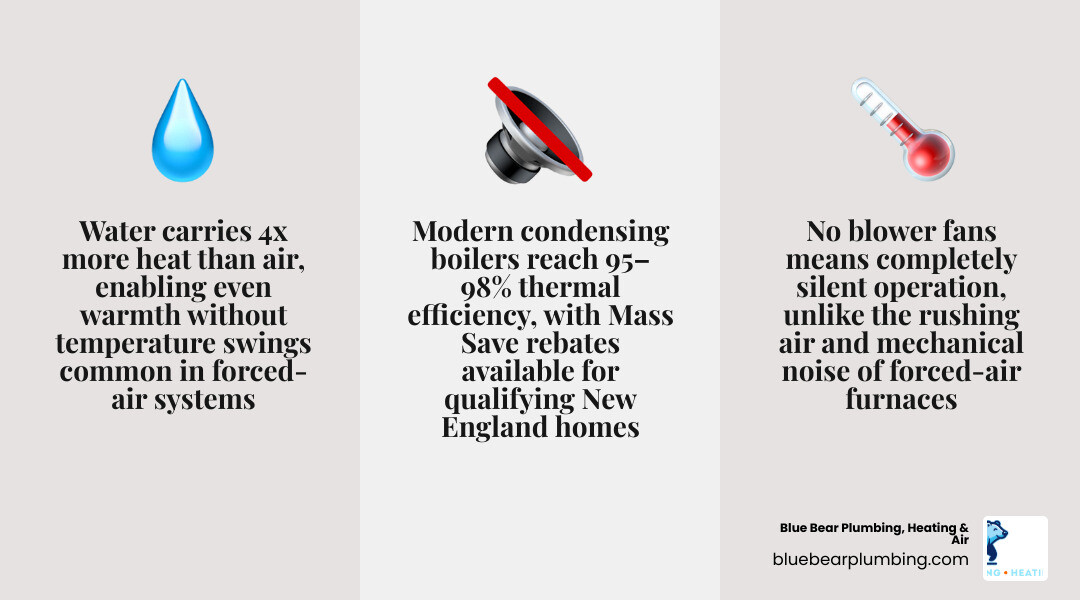
- Even, consistent warmth without the temperature swings of forced-air systems
- Quieter operation — no blower noise or rushing air
- Better indoor air quality — no ducts circulating dust, allergens, or dry air
- High energy efficiency, especially with modern condensing boilers (up to 95–98% thermal efficiency)
- Excellent zoning capability — heat only the rooms you use
- Ideal for older New England homes without existing ductwork
- Long-lasting components — cast iron radiators and baseboard units can last decades
Hydronic Heating Cons for New England:
- More complex initial installation compared to forced-air systems
- No built-in cooling — a separate solution is needed for summer comfort
- Slower response time — the system takes longer to warm a space than forced air
- Potential for pipe leaks or freezing if not properly maintained
- Retrofitting radiant floors in an existing home is disruptive and requires extensive planning
- Requires annual maintenance including boiler tune-ups, radiator bleeding, and pressure checks
New England winters are no joke. From nor’easters rolling up the South Shore to stretches of single-digit temperatures that seem to last forever, keeping your home warm and comfortable is less of a luxury and more of a necessity. That’s why so many homeowners across Massachusetts — and throughout the region — are looking closely at hydronic heating as either a replacement for an aging system or a first-time installation in a home that never had ductwork to begin with.
Hydronic heating has actually been the dominant residential heating method across New England for generations. If you live in a home built between 1940 and 2000, there’s a solid chance you already have some version of it — whether that’s cast iron radiators, hot water baseboard heaters, or radiant floor tubing underfoot. The question most homeowners are asking today isn’t whether hydronic heating works. It clearly does. The real question is whether it’s the right choice for your specific home, needs, and lifestyle — and how it stacks up against modern alternatives like forced-air furnaces and heat pump systems.
This guide breaks it all down honestly, so you can make a confident, informed decision.
I’m Marc Provenzano, Marketing Manager at Blue Bear Plumbing, Heating & Air, and I’ve spent years helping South Shore homeowners cut through the noise on home comfort decisions — including the nuanced hydronic heating pros and cons for New England that rarely get covered in full anywhere else. Let’s get into what actually matters for your home.
Understanding Hydronic Heating vs. Forced-Air Systems
To understand why water-based heating is so highly regarded, we have to look at the basic physics of how heat moves. Hydronic heating systems rely on water to carry warmth from a central source — typically a boiler — through a closed loop of pipes to various heat emitters throughout your home. These emitters might be classic cast-iron radiators, copper-fin baseboard heaters, or flexible PEX tubing installed beneath your floors.
In contrast, forced-air systems use a furnace to heat air and a large blower fan to push that air through a network of sheet-metal ducts.
The fundamental difference lies in water’s high specific heat capacity. Water is incredibly dense and can absorb, carry, and release a substantial amount of heat energy with relatively little effort. Think of it this way: air is a poor conductor of heat. It loses its temperature quickly, which is why forced-air systems must constantly cycle on and off, blowing hot air into a room only for it to cool down rapidly. Water, however, holds onto its thermal energy like liquid gold. Once your boiler warms the water, it carries that thermal mass directly into the structural elements of your rooms, slowly radiating warmth long after the boiler itself has cycled off.
This thermal retention is a major reason why hydronic systems are highly regarded for their ability to lower fuel usage. If you are interested in exploring how this process works to lower your monthly utility bills, take a look at our guide on Liquid Gold: Slashing Bills with Hydronic Heating Systems.
Analyzing the Hydronic Heating Pros and Cons for New England
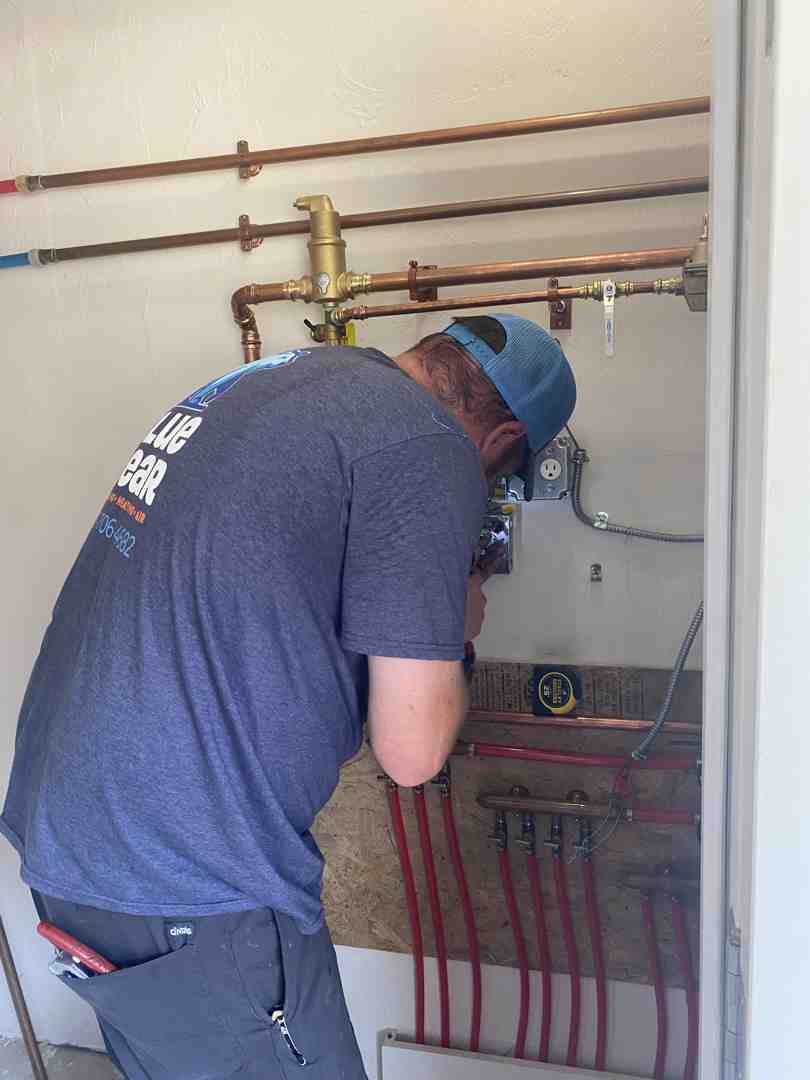
When we evaluate any heating technology for Massachusetts homes — from historic properties in Quincy and Plymouth to newer builds in Natick or Norwell — we have to weigh real-world performance against the unique demands of our local climate. Let’s break down the core pros and cons of hydronic heating.
The Major Advantages
- Unmatched Indoor Air Quality: Forced-air systems are notorious for circulating dust, pet dander, mold spores, and other allergens. As the blower pushes air through the ducts, it kicks up particles and spreads them from room to room. Hydronic systems do not rely on moving air. They warm the room through natural convection and radiation, keeping the air still and clean. This is a game-changer for family members who suffer from asthma or seasonal allergies.
- Whisper-Quiet Comfort: If you have ever lived with a forced-air furnace, you know the sound of the system “kicking on” — the loud whoosh of the blower, the rattling of metal ducts, and the whistle of air passing through registers. Hydronic systems operate in near-total silence. The only sound you might occasionally hear is the gentle hum of a high-efficiency circulator pump.
- Consistent, Draft-Free Warmth: Because hydronic systems radiate heat from floor level or from low-profile baseboards, they create a highly uniform thermal profile. You won’t experience the drafty, cold spots or the hot ceilings commonly associated with forced-air vents.
- Superior Zoning Resolution: Dividing a forced-air system into multiple zones requires complex motorized dampers inside the ductwork, which often put extra strain on the blower fan. With a hydronic setup, zoning is incredibly simple. We can install separate zone valves or dedicated circulator pumps for different areas of your home. This allows you to keep your bedrooms cool while keeping your living spaces cozy, saving energy on your monthly bills.
To ensure your system is fully prepared to deliver this level of comfort before the winter weather sets in, we recommend reviewing our South Shore Winter Heating Checklist.
The Notable Drawbacks
- No Built-In Cooling: This is perhaps the biggest consideration for modern New Englanders. A boiler cannot circulate chilled water through radiators to cool your home in July. If you choose hydronic heat, you will need a separate strategy for summer air conditioning, such as ductless mini-split heat pumps.
- Slower Thermal Response: Air heats up and cools down quickly, meaning a furnace can raise a room’s temperature by several degrees in a matter of minutes. Hydronic systems, especially radiant concrete floors, have high thermal inertia. They take longer to warm up from a cold start, which means they are best operated by maintaining a relatively steady temperature throughout the day rather than relying on deep thermostat setbacks.
- Upfront Installation Complexity: Designing and installing a complete hydronic system, particularly if you are retrofitting radiant floor tubing, is a labor-intensive process. It requires specialized engineering, precise pipe layouts, and advanced plumbing expertise.
Energy Efficiency and the Hydronic Heating Pros and Cons for New England
Modern hydronic systems represent a massive leap forward in energy efficiency compared to the older, oversized cast-iron boilers of the past. Today’s high-efficiency condensing boilers are designed to extract every possible British Thermal Unit (BTU) from your fuel source.
Traditional boilers vent extremely hot combustion gases straight up the chimney, wasting valuable heat. Condensing boilers, however, use a secondary heat exchanger to cool these exhaust gases to the point where the water vapor inside them condenses back into liquid water. This condensing process releases latent heat, allowing modern systems to achieve 95% to 98% thermal efficiency.
To get the most out of a condensing boiler, it should run on a low-temperature circuit. Older baseboard systems require water temperatures of 160°F to 180°F to heat a room. Modern radiant floor systems or oversized panel radiators can keep your home perfectly cozy using water temperatures of just 100°F to 130°F. Operating at these lower return-water temperatures keeps the boiler in its highly efficient “condensing mode” almost continuously.
For homeowners in Massachusetts, these high-efficiency upgrades are heavily supported by local utility programs. Through the Mass Save initiative, local residents can access significant rebates and even 0% interest HEAT Loans to help facilitate the upgrade to high-efficiency boilers. If you want to learn more about how to navigate these local programs, check out our guide on How to Apply for Energy Rebates in Massachusetts. To better understand how these efficiency ratings translate to long-term savings, you can also explore our article on Decoding Efficiency Ratings for Every Savvy Homeowner.
Maintenance Demands in the Hydronic Heating Pros and Cons for New England
Like any mechanical system, a hydronic setup requires regular professional attention to keep it running safely and efficiently. However, the day-to-day maintenance tasks are quite different from those of a forced-air system.
With a furnace, your primary job is to change the air filter every one to three months. Because hydronic systems do not have air filters, you don’t have to worry about buying replacements. Instead, hydronic maintenance focuses on water chemistry, system pressure, and mechanical components.
Key maintenance tasks include:
- Bleeding Radiators: Over time, tiny pockets of air can become trapped inside your radiators or baseboards. This air prevents hot water from filling the unit completely, leading to cold spots and noisy, gurgling pipes. Bleeding your radiators involves opening a small valve at the top of the unit to let the trapped air escape until a steady stream of water appears.
- Monitoring Water Pressure: Hydronic systems are closed loops that typically operate at a stable pressure of 12 to 15 PSI. If the pressure drops too low, water won’t reach the upper floors of your home. If it goes too high, the pressure relief valve will open. Checking the pressure gauge on your boiler is a quick way to ensure the system is healthy.
- Annual Boiler Tune-Ups: Professional technicians should inspect the burner, clean the heat exchanger, test safety controls, and verify that the expansion tank is operating correctly. This annual service prevents unexpected mid-winter breakdowns and keeps your system running at peak efficiency.
To learn more about keeping your system running smoothly year after year, read through A Homeowner’s Guide to Stress-Free Hydronic System Care.
Integrating Hydronic Systems with Modern Heat Pumps and Smart Controls
The heating landscape is changing rapidly, and many New England homeowners are looking for ways to reduce their carbon footprint without sacrificing comfort. One of the most exciting trends we are seeing is the rise of hybrid or dual-fuel systems.
A hybrid system combines the exceptional cold-weather reliability of a hydronic boiler with the high-efficiency performance of cold-climate heat pumps. During the mild “shoulder seasons” of autumn and spring, ductless mini-split heat pumps can handle 100% of your heating needs with incredible efficiency. Modern heat pumps can easily deliver heat even when outdoor temperatures drop below freezing.
However, during those extreme, sub-zero nights when a polar vortex hits eastern Massachusetts, your hydronic boiler can take over. This dual-fuel approach gives you the absolute best of both worlds: maximum efficiency during moderate weather and deep, reliable warmth when the weather turns brutal.
To make these systems work together seamlessly, modern smart controls are essential. Many contemporary hydronic setups utilize outdoor reset controls. This technology uses an outdoor temperature sensor to communicate with your boiler. If it’s a relatively mild 45°F day in November, the controller tells the boiler to run at a lower, more efficient water temperature. If the temperature plunges to 5°F in January, the system automatically boosts the water temperature to ensure your home stays perfectly warm.
When paired with smart thermostats, these advanced controls allow for incredibly precise, automated comfort management that adapts to your daily routine.
Frequently Asked Questions About Hydronic Heating
Can hydronic heating be combined with cooling solutions like mini-splits?
Absolutely. In fact, this is one of the most common and effective comfort configurations for homes across the South Shore. Because hydronic systems cannot provide cooling, pairing them with ductless mini-split heat pumps gives you a complete, year-round comfort solution.
During the summer, the mini-splits provide quiet, highly efficient zone-by-zone air conditioning. During the winter, they can act as supplemental heat sources, allowing you to keep your boiler turned off during the milder weeks of spring and autumn. To see how to balance these systems throughout the changing seasons, consult our Seasonal Heating Guide Massachusetts.
Which New England homes are the best candidates for hydronic heating?
Hydronic heating is an exceptional choice for several specific types of properties:
- Historic and Older Homes: Many classic New England homes, such as those built in the late 19th or early 20th centuries, were constructed without air ducts. Retrofitting large sheet-metal ductwork into these homes requires cutting into historic plaster walls, lowering ceilings, and sacrificing precious closet space. Hydronic pipes are small and flexible, making them easy to run through walls with minimal disruption.
- Homes with High or Vaulted Ceilings: Forced-air systems blow hot air into a room, which immediately rises to the ceiling. In a home with high ceilings, this leads to cold floors and wasted energy. Radiant floor heating warms the floor and the lower half of the room directly, keeping the heat right where you can feel it.
- Multi-Level or Multi-Zone Properties: If you want independent temperature control over different floors or rooms, hydronic zoning is far simpler and more reliable than forced-air zoning.
Investing in a high-quality, modern heating system not only improves your daily comfort but can also have a major impact on your property’s long-term worth. To understand the financial benefits of these upgrades, check out The Ultimate Guide to How a New HVAC System Increases Home Value.
Do modern hydronic boilers qualify for energy rebates in Massachusetts?
Yes, they certainly do. Because Massachusetts is highly focused on reducing carbon emissions and energy waste, high-efficiency boilers that meet strict efficiency guidelines often qualify for substantial rebates through the Mass Save program.
Additionally, federal tax credits are frequently available for homeowners who install high-efficiency heating equipment. To check which incentives and credits might apply to your upcoming home upgrade, read our detailed breakdown on 2023 HVAC Installation Tax Credits Massachusetts.
Conclusion
Deciding on the right heating system for your home is a major decision that affects your comfort, your monthly bills, and your home’s value for years to come. While hydronic heating requires a thoughtful upfront approach to design and installation, its unmatched comfort, silent operation, clean indoor air, and exceptional energy efficiency make it a premier choice for New England winters.
At Blue Bear Plumbing, we are proud to serve families throughout South Boston, the South Shore, and surrounding communities. As a friendly, local team committed to high-quality workmanship, attentive customer care, and complete integrity, we are always here to help you weigh your options and find the perfect heating solution for your home. Whether you need a simple boiler tune-up, a complex radiant floor installation, or a hybrid heat pump setup, you can count on us for straightforward service and reliable, long-lasting solutions.
Ready to make your home the coziest spot on the South Shore this winter? Contact our team today to schedule a consultation!



Contact Us Today

Routine maintenance is vital for the longevity of your plumbing, heating, and air conditioning systems. Sign up for our Blue Care Maintenance Plan for annual service and exclusive membership benefits, including:
- Priority scheduling
- Waived service fee during normal business hours
- 10% discount on service calls
- 3% discount on new installations
- Two-year parts and labor warranty on new equipment