



Norwell Furnace Installation: Everything You Need to Know
Plumbing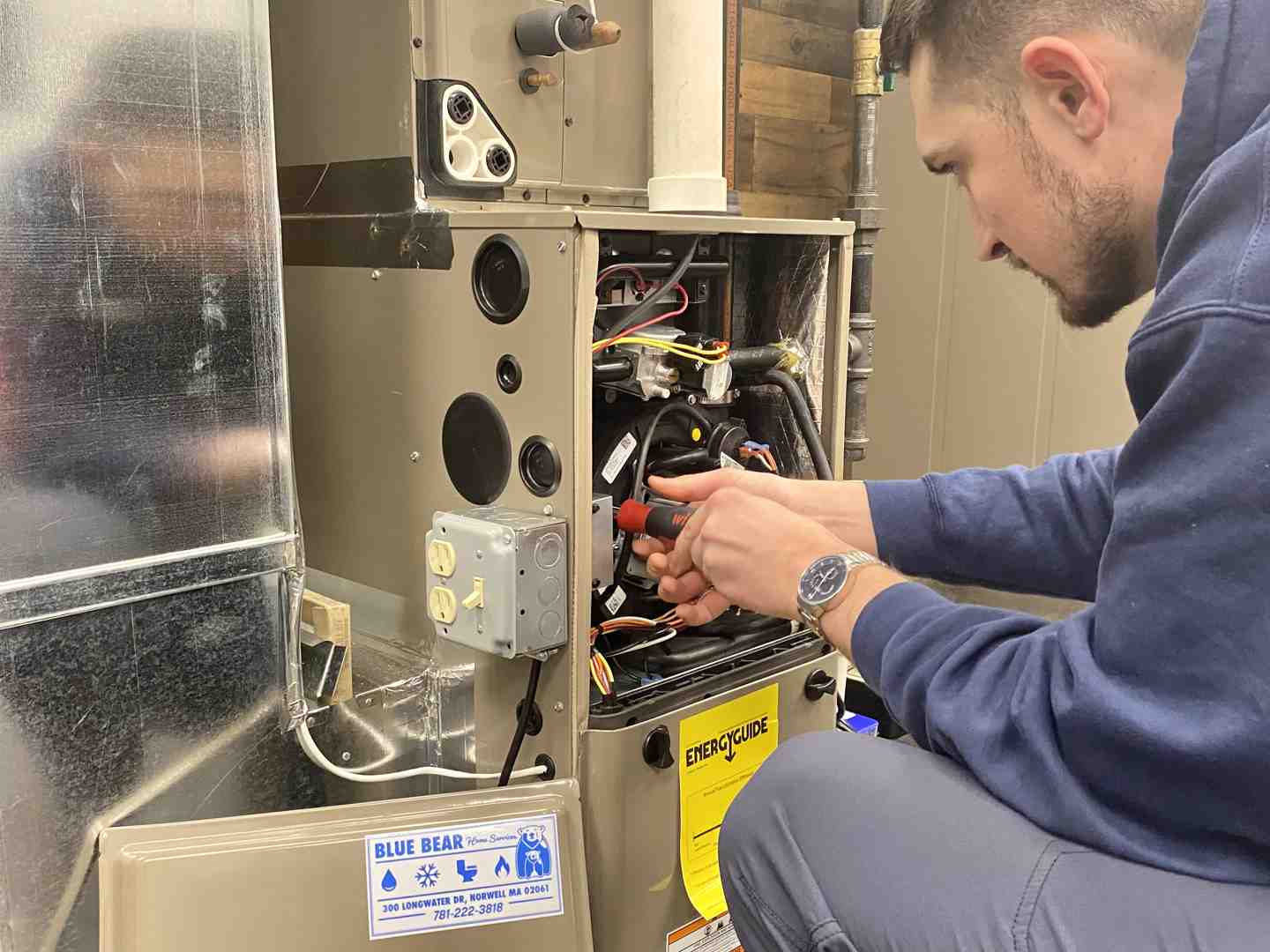
Why a Reliable Furnace Matters in Norwell, MA
Furnace installation in norwell, ma is a critical decision for homeowners facing cold New England winters. When your heating system starts showing signs of age—frequent breakdowns, uneven heating, or skyrocketing energy bills—it’s time to consider a replacement that will keep your family comfortable and safe for years to come.
If you’re looking for professional furnace installation services in Norwell, MA, here’s what you need to know:
- Signs you need a new furnace: Age over 15 years, rising energy costs, frequent repairs, strange noises, or yellow pilot light
- Types available: Natural gas, oil, propane, electric, and high-efficiency models
- Installation process: Home assessment, old unit removal, new furnace installation, and thorough testing
- Benefits: Improved safety, lower utility bills, consistent comfort, and extended system lifespan
- Professional installation is essential: Ensures safety, efficiency, and validates your manufacturer’s warranty
For comprehensive guidance on HVAC system decisions, check out our guide to repair vs. replace decisions, and when you’re ready to move forward, schedule a consultation with our team.
This guide covers everything about furnace installation in Norwell, from spotting warning signs to choosing the right unit, understanding the installation, and maintaining your new system. You’ll learn how to select the best furnace, what to expect during installation, and how maintenance protects your investment.
I’m Marc Provenzano, Marketing Manager at Blue Bear Plumbing, Heating & Air, and I’ve worked with countless South Shore homeowners navigating furnace installation in norwell, ma and the surrounding communities. My experience has shown me that informed homeowners make better decisions about their home comfort systems and feel more confident throughout the installation process.
Is It Time for a Furnace Replacement? Key Warning Signs
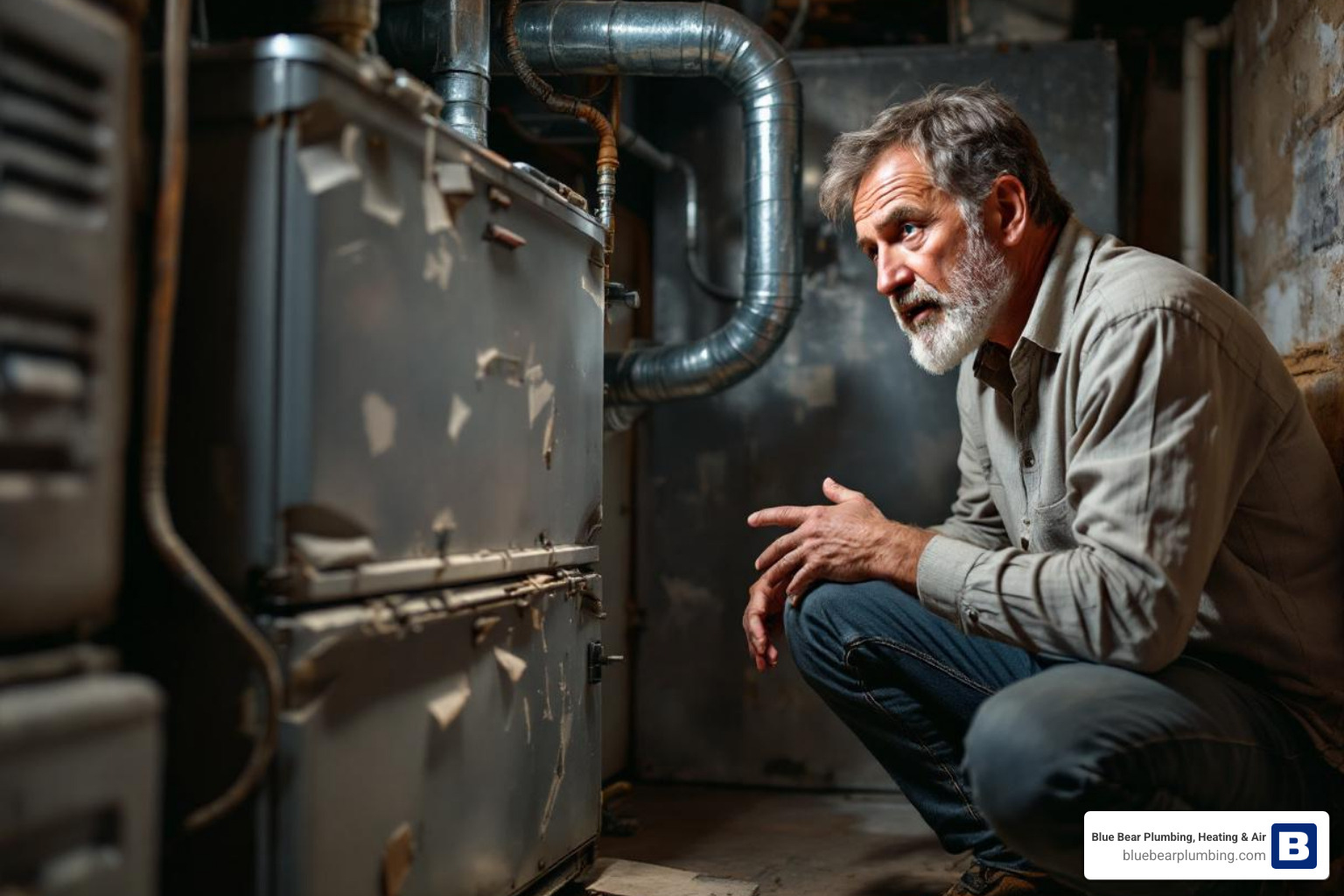
Nobody wants to be left in the cold during a Norwell winter. Recognizing the signs that your furnace is nearing the end of its life can save you from unexpected breakdowns and costly emergency repairs. While most furnaces can work properly for 15 to 30 years, the average residential gas heating furnace in the United States lasts 10 to 15 years, and electric furnaces typically last around 20 years. However, even if your furnace is still technically “working,” it might be delivering diminishing returns after about 12 years.
Here are some key indicators that it might be time to consider furnace installation in norwell, ma:
Furnace age (15+ years): If your furnace is approaching or has exceeded the 15-year mark, it’s a good idea to start thinking about a replacement. Older systems are less efficient and more prone to issues. As we’ve seen, furnaces have an average lifespan of 15 years, and replacement should be considered if your model is close to or past that time of use. For more on this, check out our insights on HVAC System Age & Replacement.
Rising energy bills: Has your heating bill been creeping up, even if your usage hasn’t changed? An aging furnace often loses efficiency, meaning it has to work harder and consume more energy to heat your home. Furnace replacement optimizes energy consumption, translating to significant savings on your utility bills. High-efficiency furnaces, in particular, can lead to substantial savings.
Frequent or costly repairs: If you’re calling for furnace repairs every winter, or if a single repair costs more than half the price of a new unit, it’s a clear sign that your old furnace is becoming a money pit. Frequent repairs and escalating maintenance costs are strong indicators that a replacement is a more economical choice in the long run.
Uneven heating and cold spots: Do some rooms in your Norwell home feel like a sauna while others remain chilly? An inability to maintain consistent temperatures throughout your home indicates that your furnace is struggling to distribute heat effectively. Professional installation, especially with zone-controlled heating, can improve comfort in every room.
Strange noises (rattling, banging): Furnaces should operate relatively quietly. If you start hearing unusual noises like banging, rattling, squealing, or grinding coming from your unit, it could signal mechanical problems or loose components. These sounds should never be ignored.
Yellow pilot light: For gas furnaces, a healthy pilot light should be blue. A yellow or flickering pilot light can indicate incomplete combustion, which could be a sign of a carbon monoxide leak. This is a serious safety concern that requires immediate professional attention.
Visible rust or soot: The presence of rust on the furnace or soot around the registers can also point to combustion problems. Soot around registers is a clear sign your furnace isn’t burning fuel efficiently and could be producing harmful byproducts. An aging gas furnace system poses a risk of carbon monoxide poisoning, so staying on top of these signs is crucial.
Deciding whether to repair or replace your HVAC system can be a tough call. We’ve put together a detailed guide to help you with that decision: Repair or Replace HVAC in Massachusetts.
Choosing the Right Furnace for Your Norwell Home
Selecting a new furnace for your Norwell home isn’t a one-size-fits-all decision. It requires careful consideration of several factors to ensure you get a system that’s efficient, reliable, and perfectly suited to your comfort needs. We’re here to help you steer these choices.
Key Factors for Your New Furnace
When we help homeowners choose a new furnace, we look at more than just the brand name. We focus on what truly matters for your home’s long-term comfort and efficiency:
Home size and layout: The square footage and layout of your home significantly impact the heating capacity you’ll need. A furnace that’s too small won’t adequately heat your home, while one that’s too large will cycle on and off too frequently, wasting energy and causing wear and tear. We evaluate your home’s square footage, layout, and heating needs to recommend the perfect fit.
Insulation quality: The better your home’s insulation, the less heat will escape, and the smaller the furnace you might need. We’ll consider your home’s thermal envelope to ensure optimal efficiency.
Proper sizing (load calculation): This is perhaps the most critical step. A professional assessment is crucial, where our technicians perform detailed load calculations to determine the best heating capacity for your home. This process accounts for factors like window type, insulation, and local climate to ensure your new furnace is neither oversized nor undersized.
Existing ductwork condition: Your furnace is only as good as the ducts that distribute the heat. We’ll inspect your existing ductwork for leaks, blockages, or damage. Sometimes, custom ductwork solutions are needed to optimize airflow and system performance. If you suspect issues with your ducts, learn more about 6 Signs You Need Ductwork Repair or Replacement.
For a deeper dive into the considerations for a new HVAC system, take a look at our blog post on Things to Think About When You Want to Replace Your HVAC System.
Types of Furnaces for furnace installation in norwell, ma
Norwell homeowners have several excellent options when it comes to furnace types, each with its own advantages:
Natural gas furnaces: These are a very common choice in areas with access to natural gas lines. They are known for their efficiency, consistent heat, and relatively low operating costs. If you have access to natural gas, this is often a top contender for furnace installation in norwell, ma.
Oil furnaces: For homes without access to natural gas, oil furnaces are a reliable alternative. Modern oil furnaces are much more efficient than older models, providing powerful heat even in the coldest Norwell winters.
Propane furnaces: Similar to oil furnaces, propane offers another fuel option for homes off the natural gas grid. Propane burns cleanly and provides effective heating.
Electric furnaces: While typically having higher operating costs due to electricity prices, electric furnaces are generally less expensive to install and have a longer lifespan (around 20 years) compared to gas furnaces. They are a good option where other fuel sources are unavailable or very expensive.
High-efficiency models: Regardless of the fuel type, you can opt for a high-efficiency furnace. These systems are designed to maximize heat output while minimizing fuel consumption, leading to significant long-term savings.
Our Seasonal Heating Guide Massachusetts offers more insights into heating options suitable for our local climate.
The Advantages of a High-Efficiency Furnace
Upgrading to a new, high-efficiency furnace offers a wealth of benefits that extend beyond just keeping your home warm. It’s an investment in your comfort, your wallet, and even the environment:
AFUE ratings explained: High-efficiency furnaces are rated by their Annual Fuel Utilization Efficiency (AFUE). This percentage tells you how much of the fuel consumed is converted into usable heat for your home, versus how much is lost up the chimney. For example, a furnace with a 95% AFUE rating converts 95% of its fuel into heat, with only 5% being wasted. Older furnaces often have AFUE ratings below 80%, while new high-efficiency models can reach 90-98%.
Lower utility bills: This is one of the most immediate and tangible benefits. By converting more fuel into heat, a high-efficiency furnace uses less energy to achieve the same level of comfort, directly translating to significant savings on your monthly utility bills. Furnace replacement optimizes energy consumption, delivering those savings right to your pocket.
Reduced carbon footprint: Using less fuel means producing fewer greenhouse gas emissions. High-efficiency furnaces help homeowners contribute to a healthier environment by reducing their carbon footprint, which is a win for everyone.
Improved home comfort: Modern high-efficiency furnaces often feature multi-stage or variable-speed operation, allowing them to run for longer cycles at lower capacities. This results in more consistent temperatures, fewer cold spots, and a quieter heating experience. Professional installation with zone-controlled heating further improves comfort in every room.
Potential rebates and tax credits: To encourage energy-efficient upgrades, programs like Mass Save® offer valuable rebates. Homeowners can earn valuable whole-home or partial-home rebates for eligible systems. We stay up-to-date on available incentives, such as those discussed in our 2023 HVAC Installation Tax Credits Massachusetts article, to help you maximize your savings.
The Professional Furnace Installation Process in Norwell, MA
When you choose us for your furnace installation in norwell, ma, you’re not just getting a new piece of equipment; you’re investing in a meticulous, professional process designed for optimal performance and your peace of mind. Our friendly, local team is committed to high-quality workmanship and integrity every step of the way.
Step 1: Home Assessment and System Sizing
The journey to a perfectly heated home begins with a thorough understanding of your unique needs.
Evaluating heating needs: Our certified technicians will visit your Norwell home to conduct a comprehensive assessment. This involves discussing your comfort preferences, evaluating your current heating system, and understanding any issues you’ve experienced. We’ll listen to your concerns and answer all your questions.
Performing a load calculation: We don’t guess when it comes to sizing. We perform detailed load calculations, considering your home’s square footage, layout, insulation levels, window types, and even the local climate conditions. This ensures your new furnace is precisely sized for your home, providing efficient and consistent heating without wasting energy.
Inspecting ductwork: The condition of your existing ductwork is vital for efficient heat distribution. We’ll inspect your ducts for leaks, blockages, or damage. If necessary, we’ll recommend repairs or modifications to ensure your new furnace operates at peak efficiency. Issues like leaky or improperly sized ducts can severely impact your system’s performance, as highlighted in our article on 6 Signs You Need Ductwork Repair or Replacement.
Step 2: Old Unit Removal and Site Preparation
Once we’ve determined the ideal furnace for your home, the next step is preparing for its arrival.
Safe disconnection of old furnace: Our team will safely and efficiently disconnect your existing furnace, carefully handling any fuel lines, electrical connections, and ductwork. Safety is our top priority, especially when dealing with gas or oil lines. This precision unit dismantling of the old furnace is a critical part of the process.
Proper disposal of the unit: We ensure the responsible and environmentally friendly disposal of your old furnace. You won’t have to worry about how to get rid of it; we handle all aspects of removal.
Preparing the installation area: We’ll prepare the installation site, ensuring it’s clean, level, and ready for the new unit. This attention to detail creates a solid foundation for your new furnace.
Step 3: New Furnace Installation and Connections
This is where your new heating system truly comes to life. Our certified technicians pride themselves on meticulous installation.
Precise placement of the new unit: The new furnace is carefully positioned and secured according to manufacturer specifications and local building codes. This precise installation ensures optimal performance and safety.
Connecting to ductwork: We expertly connect the new furnace to your home’s ductwork, ensuring airtight seals and proper airflow. This is crucial for distributing warmth evenly throughout your home.
Fuel line and electrical connections: Our licensed professionals handle all fuel line and electrical connections with utmost care, adhering to all safety regulations. This includes ensuring proper gas line connections for gas furnaces or appropriate electrical wiring for electric models.
Smart thermostat integration: Many of today’s high-efficiency furnaces pair perfectly with smart thermostats. We can integrate a new Wi-Fi enabled thermostat, allowing you improved control over your home’s temperature, scheduling, and energy usage, often from your smartphone!
Step 4: System Testing and Final Checks
Before we consider the job complete, we put your new furnace through its paces to guarantee everything is running perfectly.
Safety checks (carbon monoxide): Safety is paramount. We conduct thorough safety checks, including testing for carbon monoxide leaks, especially for gas furnaces. Modern furnaces include safety improvements to protect against such issues, and our testing ensures these features are fully operational.
Performance and efficiency testing: We test the system’s performance and efficiency to confirm it’s operating as designed. This includes checking heat output, fan operation, and overall system integration. We want to make sure you’re getting the most out of your new, high-efficiency unit.
Airflow balancing: Our technicians will balance the airflow to ensure consistent heating and comfort throughout your home, eliminating those pesky cold spots. This step is key to maximizing your comfort.
Explaining system operation to the homeowner: Finally, we’ll walk you through the operation of your new furnace and thermostat. We’ll explain any maintenance requirements, answer your questions, and provide guidance on how to get the most out of your new system. Our goal is to make sure you feel confident and comfortable with your new heating solution.
Benefits of Professional Installation and Post-Installation Care
Choosing professional furnace installation in norwell, ma is more than just a convenience; it’s an essential investment in your home’s safety, comfort, and long-term efficiency.
Why Professional furnace installation in norwell, ma is Crucial
When it comes to something as vital as your home’s heating system, cutting corners is never a good idea. Here’s why professional installation makes all the difference:
Improved safety: Improper furnace installation can lead to serious hazards, including gas leaks, carbon monoxide poisoning, and electrical fires. Our certified technicians adhere strictly to local codes and safety protocols, ensuring your new system is installed safely and correctly. This improved safety is a primary benefit of professional service. For more safety tips, check out our Home Furnace Safety Tips for the Fall.
Optimal energy efficiency: A furnace, no matter how high-efficiency, can only perform at its best if installed correctly. Professional installation ensures proper sizing, airtight duct connections, and precise calibration, all of which are critical for optimizing energy consumption and maximizing those utility bill savings.
System longevity: A properly installed furnace experiences less stress and wear and tear, leading to a longer operational lifespan. Professional installation custom to your home’s needs extends the operational life of your heating system, protecting your investment for years to come.
Consistent home comfort: Expert installation ensures that your furnace delivers consistent, zone-controlled heating, enhancing comfort in every room. No more cold spots or uneven temperatures – just reliable warmth throughout your Norwell home.
Validating manufacturer’s warranty: Many furnace manufacturers require professional installation for their warranties to be valid. DIY installation or installation by an unqualified individual could void your warranty, leaving you responsible for future repair costs.
Keeping Your New Furnace Running Smoothly
Once your new furnace is installed, the work isn’t over. Regular maintenance is key to preserving its efficiency, extending its lifespan, and ensuring it continues to provide reliable heat.
Importance of regular maintenance: Routine heating maintenance can improve system performance, lower monthly heating costs, and significantly extend the lifespan of the heater. We recommend professional heating maintenance at least once annually to keep your equipment in top condition. Neglecting maintenance can lead to reduced efficiency, higher energy bills, and premature system failure. We cover this in more detail in our article, Keeping Your New Furnace Running Smoothly.
Changing air filters: This is a simple but crucial task homeowners can do themselves. A clogged air filter restricts airflow, forcing your furnace to work harder and reducing its efficiency. We recommend checking and changing your air filter monthly, especially during peak heating seasons.
Benefits of a maintenance plan: To make maintenance easy and ensure your furnace gets the care it needs, consider enrolling in a maintenance plan. Our Blue Care Priority Plan offers scheduled tune-ups, priority service, and discounts on repairs, giving you peace of mind and protecting your investment.
What to Do in a Heating Emergency
Even with a new furnace and regular maintenance, emergencies can happen. Knowing what to do can help keep your family safe.
Recognizing an emergency: If your home’s heating system suddenly stops working in the dead of winter, or if you smell a foul odor (especially like rotten eggs, which indicates a gas leak) coming from your vents, these are immediate emergencies. An unexpected shutdown, particularly if accompanied by strange smells, requires urgent attention.
Safety steps to take: If you suspect a gas leak, immediately turn off the gas supply, open windows and doors for ventilation, and evacuate your home. Do not use any electrical appliances or light switches. If your furnace simply stops working, first check your thermostat settings and circuit breaker.
When to call for 24/7 service: For any serious heating issue, especially those involving potential gas leaks or complete system failure during extreme cold, you need immediate professional help. We offer 24/7 emergency services because we know heating problems don’t always happen during business hours. Don’t hesitate to call us for swift assistance. Our blog post, What to Do If the Heat Goes Out, provides more detailed guidance.
Frequently Asked Questions about Furnace Installation
We understand that homeowners often have many questions when considering a new furnace. Here are some of the most common inquiries we receive about furnace installation in norwell, ma:
What’s the difference between furnace installation and replacement?
While often used interchangeably, there’s a subtle but important distinction:
Furnace Installation: This typically refers to putting a heating system into a brand-new construction home or adding a furnace to a home that previously used a different heating method (like a boiler that’s being fully replaced). In this scenario, there’s no old unit to remove.
Furnace Replacement: This involves removing an existing, old, or broken furnace and installing a new one in its place. The process includes the precision unit dismantling of the old furnace before the new one is put in.
In both cases, the core installation process—system sizing, connecting to ductwork, fuel lines, electrical, and calibration—is very similar, requiring the same level of professional expertise.
How long does a new furnace typically last?
With proper care and maintenance, a new furnace can provide reliable heat for many years.
Average lifespan (15-30 years): Most modern furnaces are designed to work properly for 15 to 30 years. However, this range can vary based on the type of furnace, its usage, and how well it’s maintained.
Gas vs. electric furnace lifespan: The average residential gas heating furnace in the United States lasts 10 to 15 years. An electric furnace, meanwhile, usually lasts 20 years. Electric furnaces often have simpler components, contributing to their longer lifespan.
Impact of regular maintenance: The single biggest factor influencing your furnace’s longevity is consistent maintenance. Routine heating maintenance can significantly extend the lifespan of your heater, helping it reach or even exceed its average life expectancy. Skipping annual tune-ups can drastically shorten its operational life.
How can I improve my home’s energy efficiency with a new furnace?
A new furnace is a big step towards a more energy-efficient home, but there are additional strategies to maximize those benefits:
High-AFUE models: As discussed, choosing a furnace with a high AFUE rating (90% or higher) is fundamental. The higher the AFUE, the more efficiently your furnace converts fuel into heat.
Smart thermostats: Installing a programmable or smart thermostat allows you to precisely control your home’s temperature and create heating schedules that match your lifestyle. This prevents heating an empty house and can lead to significant energy savings. Many smart thermostats can even learn your preferences and adjust automatically.
Proper sizing: An accurately sized furnace (neither too big nor too small) will operate most efficiently. A professional load calculation ensures your furnace is perfectly matched to your home’s heating needs.
Sealing ductwork: Even the most efficient furnace can lose a significant amount of heat through leaky ducts. Sealing and insulating your ductwork prevents this heat loss, ensuring that the warm air reaches its intended destination. If you have concerns about your ductwork, we can help with inspection and repair.
Mass Save Energy Audits: Consider scheduling a Mass Save Energy Audit for your Norwell home. These audits can identify areas where your home is losing energy and recommend improvements, such as insulation upgrades or air sealing, that complement your new furnace and further reduce your utility bills.
Conclusion
Navigating furnace installation in norwell, ma can feel like a big undertaking, but with the right information and professional support, it becomes a straightforward process that profoundly impacts your home’s comfort, safety, and energy efficiency. We’ve explored the crucial warning signs that indicate a need for replacement, the various furnace types available, and the meticulous steps involved in a professional installation.
The benefits of upgrading to a new, high-efficiency furnace are clear: improved safety for your family, significant savings on your utility bills, consistent and comfortable heating throughout your home, and an extended system lifespan. Professional installation is not just about putting a new unit in place; it’s about ensuring every component works seamlessly and safely, validating your warranty, and setting your home up for years of reliable warmth.
For expert guidance and professional installation, trust the friendly, local team at Blue Bear Plumbing, Heating & Air. We’re committed to high-quality workmanship, attentive customer care, and integrity, providing upfront pricing and reliable solutions for homeowners across the South Shore. We’re here to make your furnace installation in norwell, ma a stress-free and rewarding experience.
To learn more about what goes into a complete HVAC installation, visit our blog post: What does a new HVAC installation include? When you’re ready to take the next step towards a warmer, more efficient home, don’t hesitate to reach out to us. We’re always here to help.
Contact Us Today

Routine maintenance is vital for the longevity of your plumbing, heating, and air conditioning systems. Sign up for our Blue Care Maintenance Plan for annual service and exclusive membership benefits, including:
- Priority scheduling
- Waived service fee during normal business hours
- 10% discount on service calls
- 3% discount on new installations
- Two-year parts and labor warranty on new equipment