




How to Identify AC Repair Needs in 5 Simple Steps
HVAC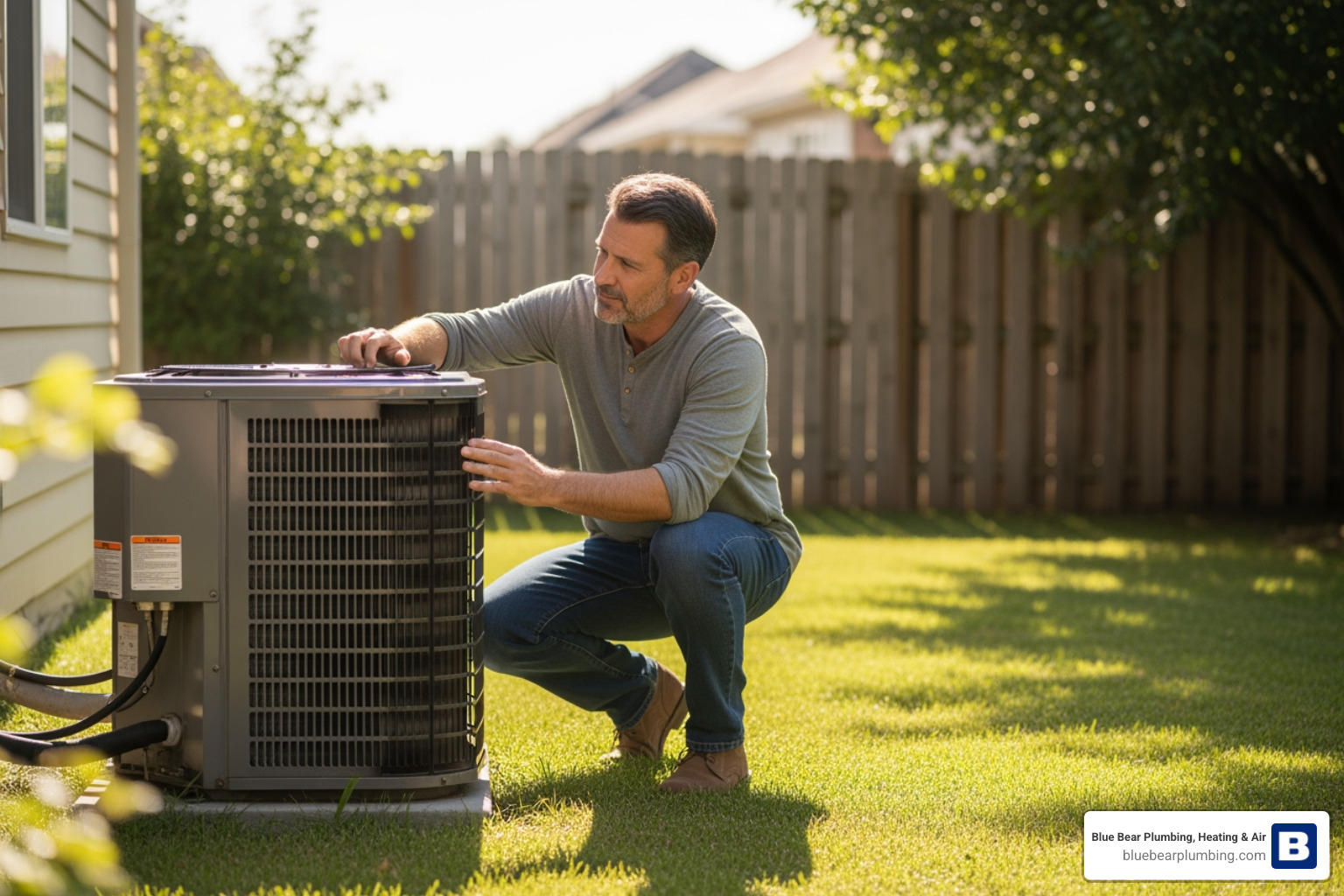
When to Call a Professional for AC Problems (And What You Can Handle Yourself)
Knowing when to call a professional for AC problems can be the difference between a quick fix and a full system breakdown — especially when summer heat hits the South Shore hard. Here’s a fast answer if you need it right now:
Call a professional HVAC technician if you notice any of the following:
- Warm air blowing from vents despite correct thermostat settings
- Water pooling around the indoor unit or visible ice on refrigerant lines
- Burning, electrical, or musty odors coming from the system
- Loud rattling, grinding, banging, or screeching noises
- The circuit breaker trips repeatedly when the AC runs
- The system turns on and off in short bursts (short cycling)
- No cooling after you’ve already checked the filter, thermostat, and breaker
Safe to check yourself first:
- Thermostat set to COOL and below room temperature
- Dirty or clogged air filter (replace every 1–3 months)
- Tripped circuit breaker (reset once — if it trips again, call a pro)
- Blocked vents or debris around the outdoor condenser unit
Most homeowners don’t think twice about their air conditioner until it stops working on the hottest day of the year. By then, what might have been a simple fix can quickly turn into an expensive emergency. A clogged air filter alone is responsible for a surprising number of service calls — and in many cases, a little basic troubleshooting resolves the problem 20 to 30 percent of the time without any professional help needed. But modern AC systems involve high-voltage electrical components, pressurized refrigerant lines, and complex mechanical parts that go far beyond what a YouTube tutorial can safely walk you through. Getting the line between DIY and professional repair right isn’t just about saving money — it’s about protecting your home, your system, and your family.
I’m Marc Provenzano, Marketing Manager at Blue Bear Plumbing, Heating & Air, and working alongside our team of experienced HVAC technicians has given me a front-row seat to exactly what happens when homeowners wait too long — or try too much — before calling for help on when to call a professional for AC problems. In the steps below, I’ll walk you through a clear, practical framework so you always know where the line is.
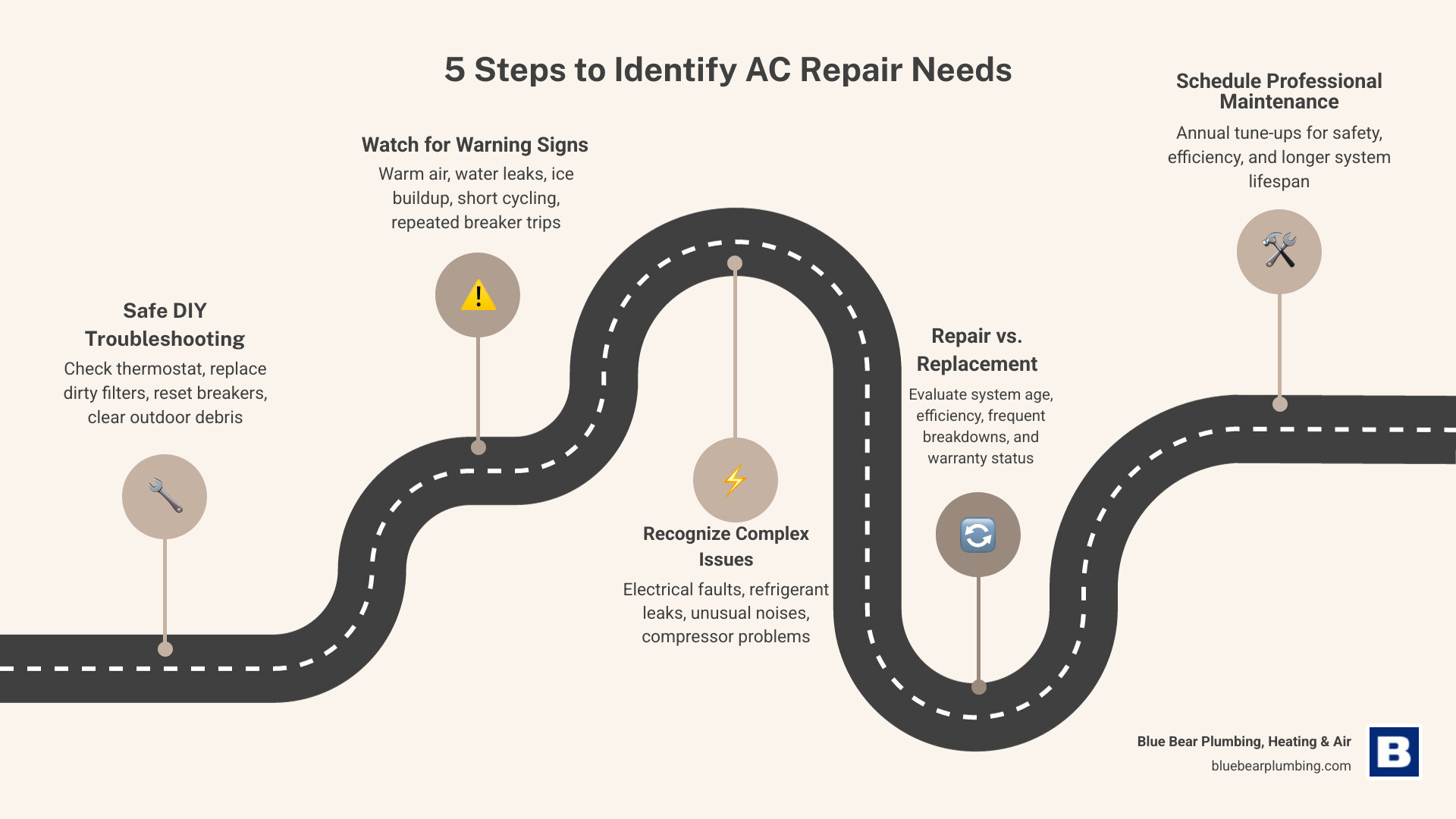
Quick when to call a professional for ac problems definitions:
Step 1: Perform Safe Homeowner Troubleshooting First
Before you pick up the phone to schedule an emergency service call, it is always a good idea to perform a few basic, safe checks. You don’t need any special tools for these steps, and they resolve the problem roughly 20 to 30 percent of the time.
Here is your quick-start DIY troubleshooting checklist:
- Verify Your Thermostat Settings: Make sure your thermostat is actually set to “COOL” and the fan is set to “AUTO” rather than “ON” (which runs the fan continuously even when the system isn’t cooling). Check that the set temperature is lower than the current room temperature. If your thermostat screen is blank, replace the batteries first — a dead battery is one of the most common reasons for a sudden “AC failure” service call!
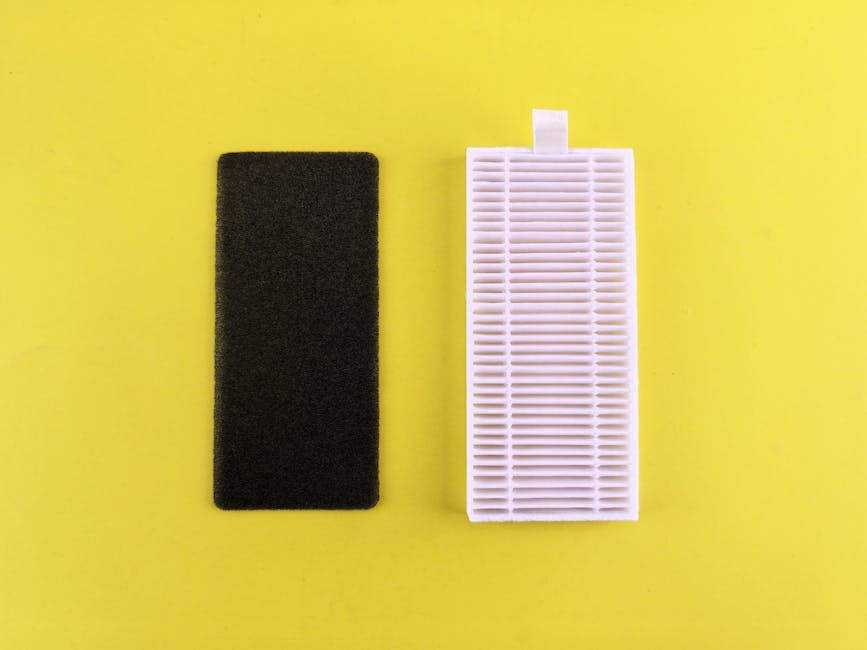
- Inspect and Replace the Air Filter: A clogged air filter restricts airflow, forcing your system to work twice as hard. This lack of airflow can cause your system’s evaporator coils to freeze up, turning your AC into a literal block of ice. We recommend replacing your filter every 1 to 3 months, especially during heavy summer use. If you want to handle basic upkeep, check out our guide on How to Clean Your AC to keep things running smoothly.
- Check the Circuit Breaker: Head down to your fuse box and check for a tripped circuit breaker. If you find one, flip it completely off and then back on once. If it trips again immediately or shortly after, do not attempt to reset it again. This is a clear indicator of an electrical fault that requires a professional.
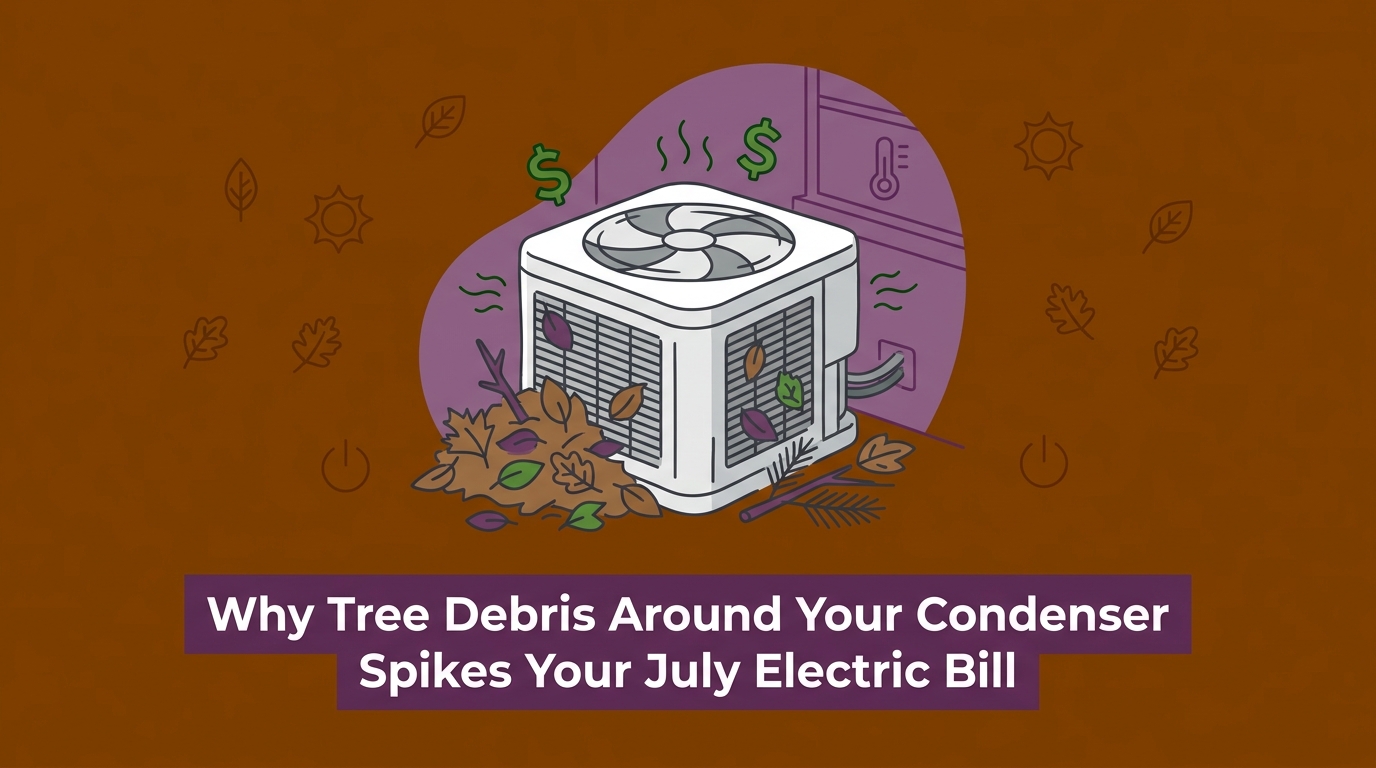
- Clear Debris Around the Outdoor Unit: Your outdoor condenser needs room to breathe. Ensure there are at least two feet of clear space around the unit. Gently brush away leaves, grass clippings, and twigs. For more regional tips on keeping your home comfortable through the humid months, read The Quincy Homeowners Guide to a Chill Summer.
If you have completed these steps and your home is still uncomfortably warm, it is time to put down the tools and move to Step 2.
Step 2: Recognize the Warning Signs of When to Call a Professional for AC Problems
If basic troubleshooting doesn’t restore the cool breeze to your home, your system is trying to tell you something. Recognizing these signs early can prevent a minor mechanical issue from cascading into a total system failure.
Keep an eye out for these common warning signs:
- Weak or Uneven Airflow: If you feel only a faint whisper of air coming from your vents, or if some rooms feel like a freezer while others feel like a sauna, you may have a failing blower motor, a blocked duct, or a system-wide airflow restriction.
- Short Cycling: A healthy air conditioner runs long, steady cycles to cool your home and remove humidity. If your system is turning on and off every few minutes, it is “short cycling.” This puts massive strain on your compressor and can cause it to burn out prematurely.
- Creeping Energy Bills: If your utility bills are skyrocketing compared to the same period in previous years, your system is losing its efficiency. Dirty coils, failing motors, or low refrigerant levels force the system to run longer to achieve the same temperature. To understand why your unit is struggling to keep up, read The Cold Hard Truth About Why Your AC Isn’t Cooling Properly.
Red Flags: When to Call a Professional for AC Problems Immediately
Some symptoms are true emergencies that require you to shut off your system immediately and call in the experts.
- Unusual Noises: A properly running air conditioner should produce nothing more than a steady, quiet hum. Squealing, grinding, rattling, or screeching noises point to mechanical failure. Screeching often indicates high pressure in the compressor or worn motor bearings, while rattling suggests loose components that could fly apart and cause severe internal damage. Find out more by reading What Those Weird Air Conditioner Sounds Are Trying to Tell You.
- Water Leaks and Pooling: While your AC naturally produces condensation, that water should flow safely down a drain line. If you notice water pooling around your indoor furnace or air handler, you likely have a clogged condensate drain line or an overflowing pan. Left unchecked, this can lead to major water damage and mold growth.
- Frozen Coils: If you see ice forming on the brass refrigerant lines outside or on the indoor evaporator coil, shut the system off immediately. Running an air conditioner with frozen coils can destroy the compressor — the “heart” of your system.
Step 3: Understand Why Complex Repairs Require Certified Experts
It can be tempting to search for a DIY tutorial to fix a broken capacitor or patch a refrigerant leak. However, modern HVAC systems are highly complex, pressurized machines that carry significant risks if handled incorrectly.
Here is why certain repairs must always be left to certified professionals:
- High-Voltage Hazards: Your air conditioner runs on high-voltage electricity. Components like the capacitor store large amounts of electrical energy even after you have turned off the main power switch. Accidentally touching a charged capacitor can result in severe electrical shocks.
- EPA Regulations and Refrigerant Handling: Refrigerant is a highly regulated substance under EPA Section 608. It is legally required that only certified technicians handle, reclaim, or recharge refrigerant. If your system is low on refrigerant, it means you have a leak. Simply “topping it off” without finding and sealing the leak is illegal, harmful to the environment, and will eventually ruin your compressor.
- Voided Warranties: Most major HVAC manufacturers explicitly state in their warranty terms that any repairs or installations must be performed by a licensed HVAC contractor. Attempting a DIY repair can instantly void your warranty, leaving you responsible for the full cost of any future parts or system replacements. To learn more about the long-term consequences of skipping professional care, take a look at From Cold Showers to High Bills: The Risks of HVAC Neglect.
Safety Risks: When to Call a Professional for AC Problems Involving Electrical or Refrigerant Lines
Attempting to repair electrical faults or refrigerant leaks yourself can result in immediate physical danger, including fire hazards, chemical burns, or respiratory issues from inhaling refrigerant gases. Professional technicians carry specialized diagnostic tools, leak detectors, and safety gear to ensure the job is completed in strict compliance with safety codes.
Step 4: Evaluate Repair vs. Replacement for Older Systems
If your system is constantly breaking down, you have to ask yourself: is it wiser to keep patching it up, or is it time to upgrade? In May 2026, we are seeing many homeowners transition to highly efficient modern systems to save on operating costs.
| Evaluation Factor | Consider Repair | Consider Replacement |
|---|---|---|
| System Age | Under 10 years old | Over 12–15 years old |
| Refrigerant Type | Uses modern R-410A or newer | Uses outdated R-22 Freon |
| Breakdown Frequency | Rare, minor issues | Frequent, seasonal breakdowns |
| Repair Cost vs. Value | Cost is less than half the system value | Repair exceeds 50% of a new system’s cost |
| System Lifespan | Heat pumps can last 15 years with care | System is past its reliable lifespan |
If you are struggling to make the right call, we have compiled several excellent resources to guide your decision. You can read our detailed breakdown on Do I Need a New AC? to check your system’s health.
For a deeper dive into the financial and performance trade-offs, check out How to Decide Between HVAC Repair and Replacement Without Losing Your Cool. And when you are ready to explore your options, read Things to Think About When You Want to Replace Your HVAC System to prepare for a seamless transition.
Step 5: Prevent Future Breakdowns with Seasonal Maintenance
The absolute best way to handle AC problems is to prevent them from happening in the first place. Just like changing the oil in your car, your air conditioner requires regular upkeep to perform at its peak.
Scheduling an annual tune-up offers massive benefits:
- Lower Utility Bills: A clean, well-adjusted system runs shorter, more efficient cycles, keeping your energy bills low.
- Fewer Emergency Breakdowns: During a routine maintenance visit, a technician can spot worn parts — like a weakening capacitor or a fraying belt — and replace them before they fail on a scorching July afternoon.
- Extended System Lifespan: With proper maintenance, your heat pump or central air conditioner can easily last 15 years or longer.
To make sure your system is ready for the transition from chilly spring mornings to hot summer afternoons, read about The Great Spring Switch: Transitioning Your HVAC System.
If you want to know the ideal timing for our local climate, check out When to Get AC Tuned Up in Massachusetts and learn Why South Shore Homes Need a Seasonal HVAC Tune-Up. Finally, if you are wondering if a structured plan makes financial sense, read Do Maintenance Plans Actually Save You Money in the Long Run? to see how preventive care pays for itself.
Frequently Asked Questions About AC Troubleshooting
Why is my AC blowing warm air?
If your system is blowing warm air, start by verifying that your thermostat is set to “COOL” and the fan is on “AUTO.” If those settings are correct, the issue could be a heavily clogged air filter restricting airflow, dirty condenser coils outside, or a refrigerant leak. Since low refrigerant levels require leak detection and pressurized handling, you should call a certified technician to inspect the system.
Can I run my AC if it is leaking water or freezing up?
No, you should shut your system down immediately. Running an air conditioner with frozen coils or a major water leak can cause severe water damage to your ceilings and walls, and it puts immense strain on the compressor. Turn the system off at the thermostat to let the ice thaw, and call a professional to clear the drain line or inspect the refrigerant levels.
How often should I schedule professional AC maintenance?
You should schedule professional AC maintenance at least once a year, ideally in the spring before the heavy cooling season begins. Additionally, you should replace your home’s air filters every 1 to 3 months to maintain proper airflow and keep your indoor air quality high.
Conclusion
When it comes to keeping your home comfortable, knowing when to call a professional for AC problems is your best defense against costly repairs and summer sweat. While changing your air filter and keeping your outdoor unit clear of debris are fantastic DIY habits, complex electrical issues, refrigerant leaks, and strange mechanical noises require the training and specialized tools of a certified HVAC technician.
At Blue Bear Plumbing, Heating & Air, our friendly, local team is proud to serve homeowners throughout South Boston and the South Shore, MA. We are committed to high-quality workmanship, attentive customer care, and upfront, honest communication. Whether you need a quick repair, a seasonal tune-up, or a full system replacement, we are here to provide reliable solutions you can trust.
Don’t wait for your system to leave you in the heat. Schedule Your High-Mileage HVAC Checkup Today with the friendly team at Blue Bear Plumbing, Heating & Air!
Contact Us Today

Routine maintenance is vital for the longevity of your plumbing, heating, and air conditioning systems. Sign up for our Blue Care Maintenance Plan for annual service and exclusive membership benefits, including:
- Priority scheduling
- Waived service fee during normal business hours
- 10% discount on service calls
- 3% discount on new installations
- Two-year parts and labor warranty on new equipment