




The Signs Your HVAC Needs Replacing and Not Just Another Quick Fix
HVAC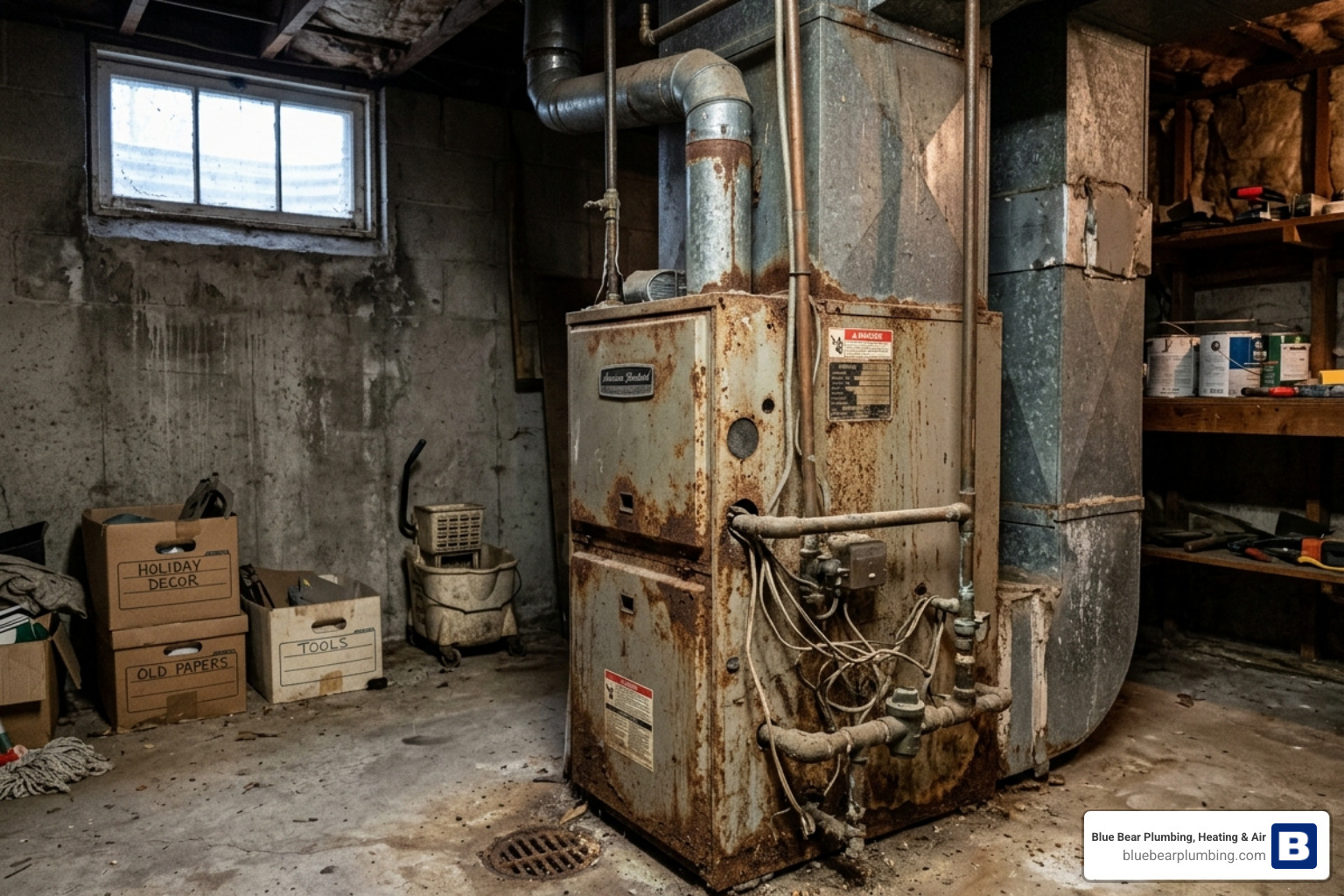
Is It Time to Fix It or Finally Replace It? How to Know When Your HVAC System Has Run His Course
Knowing when to repair vs replace your HVAC system is one of the most stressful decisions a homeowner can face — and it almost always comes at the worst possible moment, like when the AC gives out during a July heat wave or the furnace stops working on a frigid January morning. Most HVAC systems are built to last somewhere between 10 and 20 years, but age alone doesn’t tell the whole story. Repair costs, energy efficiency, refrigerant type, and how often your system has broken down all factor into what is ultimately a big financial decision for your home.
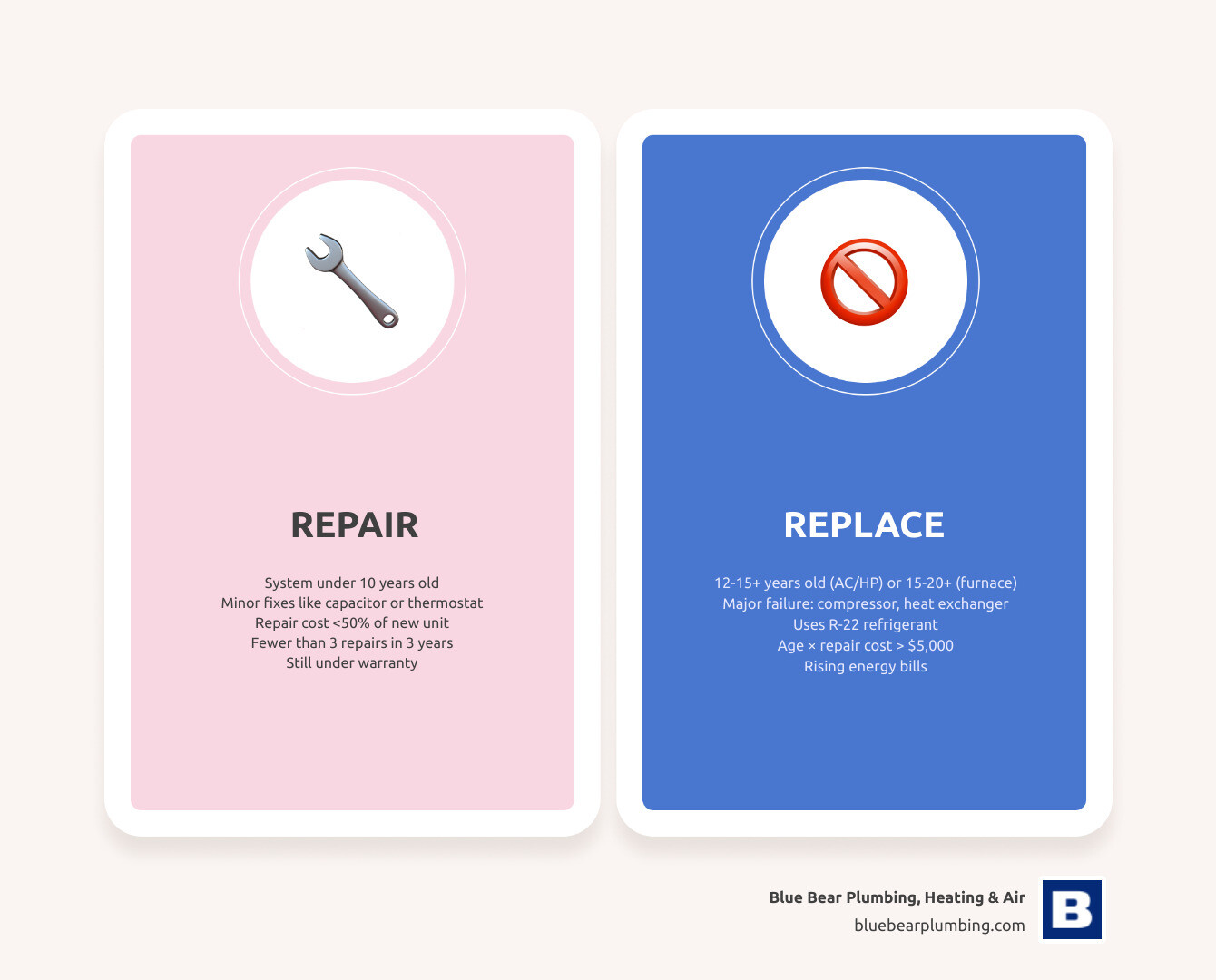
Here’s a quick answer to help you decide:
Repair your HVAC system if:
- The system is under 10 years old
- The repair is a minor component (capacitor, fan belt, thermostat)
- The unit is still under manufacturer warranty
- The repair cost is less than 30–50% of a new system’s cost
- You’ve had fewer than 3 repairs in the last 3 years
Replace your HVAC system if:
- The system is 12–15+ years old (AC or heat pump) or 15–20+ years old (furnace)
- A major component has failed — compressor, heat exchanger, or evaporator coil
- The system uses R-22 refrigerant, which is no longer produced
- You multiply the system’s age by the repair cost and the result exceeds $5,000
- Your energy bills keep climbing despite no change in usage
- You’ve needed 3 or more repairs in the past 3 years
This guide walks through every major factor — from system age and repair history to energy efficiency ratings, safety risks, and financial incentives available to Massachusetts homeowners — so you can make a confident, informed decision.
I’m Marc Provenzano, Marketing Manager at Blue Bear Plumbing, Heating & Air, and working closely with our team of South Shore HVAC professionals has given me a front-row seat to the real-world situations homeowners face when deciding whether to repair vs replace their HVAC system. I’ll make sure everything here is practical, clear, and grounded in what actually helps homeowners like you make the right call.
Understanding the Lifespan of Your Massachusetts HVAC System
When we visit homes in Norwell, Quincy, or Braintree, the first thing we look at is the manufacture date. While some units are “built like tanks,” every mechanical system has a finite lifespan. In our region, the hvac system age replacement timeline is often dictated by how hard the system has to work during our humid summers and freezing winters.
When to repair vs replace your hvac system based on age
The industry standard suggests that air conditioners and heat pumps typically have a functional lifespan of 10 to 15 years. Furnaces and boilers, which often have fewer moving parts exposed to the elements, can last between 15 and 20 years.
However, by 2026, we’ve seen that the “10-year threshold” is more than just a number. Once a system passes a decade of service, the internal components begin to experience significant fatigue. It’s like a car with 150,000 miles; even if it’s running today, the likelihood of a major component failure increases every season. If your unit is over 15 years old, investing in a major repair is often described as putting a brand-new engine into a car with a rusted frame.
To keep your system running as long as possible, we always recommend that you dont wait for the smoke how often to service your hvac is a question you answer with “at least once a year.” Regular maintenance is the only way to push a system toward that 20-year mark.
Typical lifespans for South Shore heating and cooling units
Living on the South Shore or near Cape Cod presents unique challenges. Coastal salt air is incredibly corrosive to the delicate aluminum fins on your outdoor condenser unit. We often see systems in towns like Scituate, Marshfield, and Plymouth age 3 to 5 years faster than units located further inland in places like Natick or Holliston.
The extreme temperature swings in Massachusetts also mean your system rarely gets a break. A heat pump in our climate works year-round, which naturally leads to a shorter average lifespan (about 15 years) compared to a dedicated furnace that only runs for six months. If you’re worried about how the local climate has affected your aging unit, a high-mileage hvac checkup can provide a clear picture of its remaining life.
The Math Behind the Decision: When to Repair vs Replace Your HVAC System
Deciding whether to sink money into an old unit or invest in a new one shouldn’t be a “gut feeling.” We use specific mathematical formulas to help our customers determine how to decide between hvac repair and replacement without losing your cool.
Applying the 50% Rule to your equipment
The 50% rule is straightforward: if the cost of a single repair exceeds 50% of the value of a brand-new system, you should almost always replace it. This is especially true for systems that are no longer under warranty. Why spend half the money on a temporary fix for an old, inefficient unit when that same money could be a massive down payment on a modern system with a 10-year warranty? When considering repair replace hvac massachusetts, we often find that the 50% rule is the clearest indicator of a poor investment.
Using the $5,000 Rule for when to repair vs replace your hvac system
The $5,000 Rule is the industry favorite because it accounts for both the age of the unit and the cost of the repair.
The Formula: (Age of System in Years) x (Cost of Repair) = Your Score
- If the score is under $5,000: Repair the unit.
- If the score is over $5,000: Replace the unit.
For example, if you have a 12-year-old AC unit in Weymouth that needs a $600 repair, your score is 7,200. Since this is well over 5,000, the math suggests that replacement is the smarter financial move. Conversely, a $400 repair on a 6-year-old furnace (score of 2,400) is a safe bet for a repair.
| Factor | Repair It | Replace It |
|---|---|---|
| Age | Under 10 years | Over 15 years |
| Repair Cost | Less than 30% of new | More than 50% of new |
| Efficiency | Bills are stable | Bills are rising 20% + |
| Comfort | Even temperatures | Hot/Cold spots |
| Reliability | First repair in years | 3+ repairs in 3 years |
Critical Signs and Performance Red Flags
Sometimes the signs aren’t in the math, but in the air you breathe. If your home in Milton or Randolph feels “muggy” even when the AC is running, your system is failing its second job: dehumidification.
Major component failures that signal replacement
There are certain repairs that we call “system killers.” If any of the following components fail on a unit out of warranty, we almost always recommend replacement:
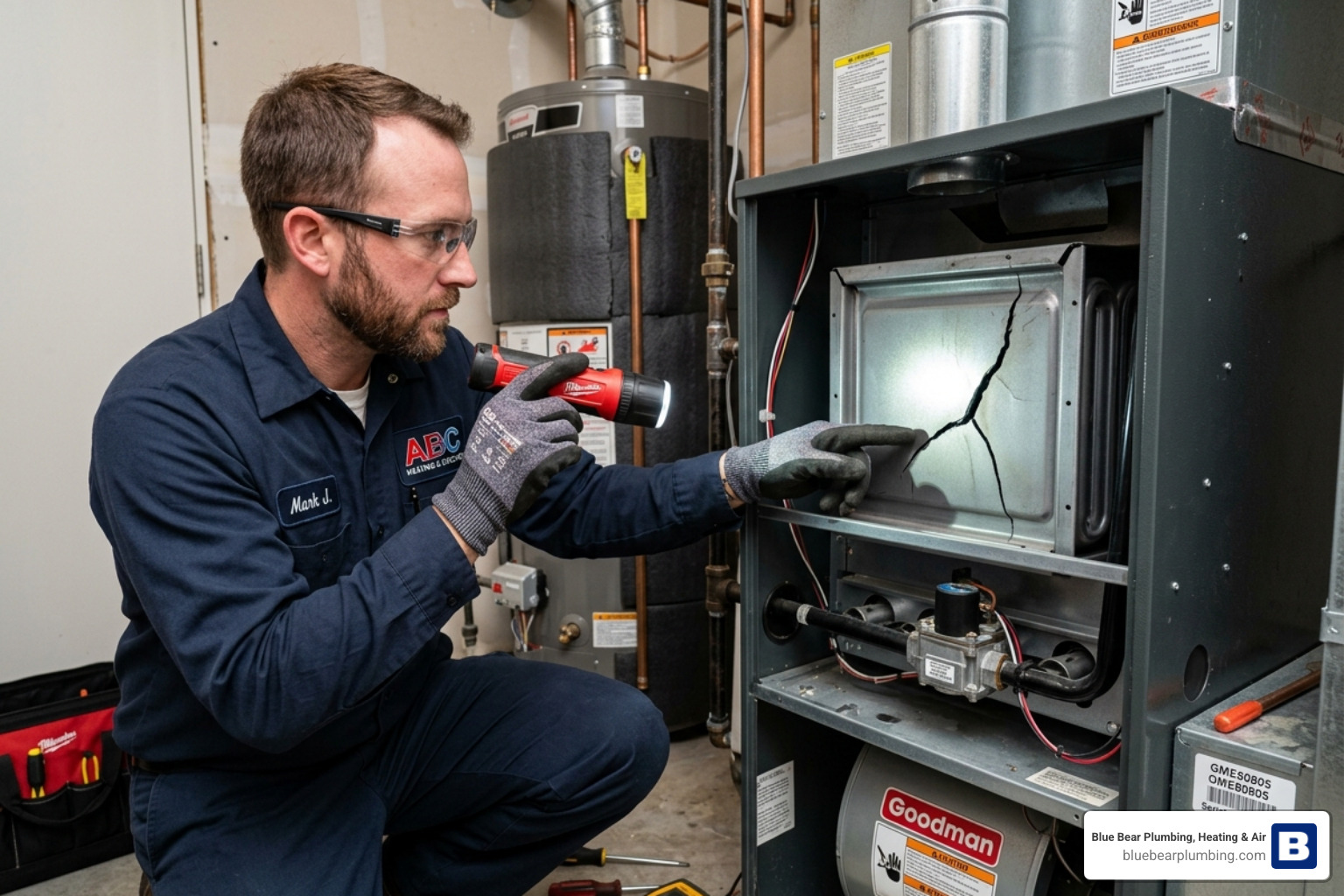
- Cracked Heat Exchanger: This is a major safety hazard. A crack allows carbon monoxide to leak into your home’s air. Because these cannot be reliably patched, replacement is non-negotiable for the safety of your family.
- Seized Compressor: The compressor is the “heart” of your AC. It is one of the most expensive parts to replace. If your unit is over 10 years old, replacing a compressor is rarely worth it.
- Leaking Evaporator Coil: These coils are often difficult to access and expensive to replace, especially if the system uses older refrigerant.
The R-22 refrigerant phase-out dilemma
If your air conditioner was manufactured before 2010, there is a high chance it uses R-22 refrigerant (often called Freon). As of 2020, R-22 is no longer produced or imported in the U.S. This means that if you have a leak, “recharging” your system can cost between $600 and $2,400 just for the gas.
When looking at things to think about when you want to replace your hvac system, refrigerant type is a top priority. Investing thousands of dollars into a system that uses an obsolete, environmentally harmful, and scarce chemical is a “repair spiral” you want to avoid.
Efficiency, Incentives, and Environmental Factors
One of the biggest reasons our customers in the South Shore choose to replace rather than repair is the massive leap in technology. When we explain what does a new hvac installation include, we focus on the long-term savings.
Modern systems use SEER2 (Seasonal Energy Efficiency Ratio) for cooling and AFUE (Annual Fuel Utilization Efficiency) for heating.
- SEER2: Modern units can reach ratings of 20 or higher. Upgrading from an old SEER 9 unit to a modern SEER 14 unit can reduce your energy consumption by more than 35%.
- AFUE: High-efficiency ENERGY STAR furnaces now offer 95% to 98% efficiency, meaning nearly every dollar you spend on gas goes directly into heating your home, rather than up the chimney.
Federal tax credits and local Massachusetts rebates
The good news for Massachusetts homeowners is that 2026 is a fantastic time to upgrade due to unprecedented financial incentives. We frequently help our customers navigate 2023 hvac installation tax credits massachusetts and the updated 2026 incentives.
- Inflation Reduction Act (IRA): You may be eligible for a federal tax credit of 30% of the cost of a new heat pump, up to $2,000.
- HEEHRA Rebates: For qualifying low-to-moderate income households, rebates can cover up to $8,000 for a new heat pump.
- Mass Save: As local experts, we can help you identify local utility rebates that can save you thousands on high-efficiency upgrades.
Long-term energy savings and home resale value
A new HVAC system isn’t just a purchase; it’s an investment in your property. Standard modern models can save you 20% to 40% on monthly energy costs compared to units from 15 years ago. Furthermore, if you plan to sell your home in towns like Hingham or Needham, a new HVAC system with a transferable warranty is a major selling point. Prospective buyers are often wary of “big-ticket” items that might fail shortly after they move in. A new, high-efficiency system provides peace of mind that can help close a sale faster.
Frequently Asked Questions about HVAC Replacement
Should I replace my furnace and AC at the same time?
In most cases, yes. If both units are over 12 years old, replacing them together ensures that the indoor blower motor is perfectly matched to the outdoor condenser. This allows the system to actually achieve its rated SEER2 efficiency. Plus, you’ll save on labor costs by having the team do both installations in one visit.
How do I track my system’s repair history?
We recommend keeping a simple log (digital or a physical folder) near your system. Note the date, the component fixed, and the cost. If you notice you’ve had “three repairs in three years,” that is a definitive industry red flag that your system is losing its integrity.
What questions should I ask a professional during an evaluation?
- “What specifically caused this part to fail?”
- “What is the expected lifespan of the system after this repair is completed?”
- “How does the efficiency of my current unit compare to a modern entry-level model?”
- “Are there any current Mass Save or federal rebates that apply to my home?”
Conclusion
At Blue Bear Plumbing, Heating & Air, we understand that the decision of when to repair vs replace your HVAC system is about more than just mechanics — it’s about your family’s comfort and your financial peace of mind. Whether you are in Norwell, Natick, or Quincy, our local team is committed to providing high-quality workmanship and honest, upfront advice.
We don’t believe in high-pressure sales. We believe in integrity and giving you the data you need to make the best choice for your South Shore home. If your system is acting up, don’t wait for a total breakdown. Schedule a high-mileage hvac checkup with us today, and let’s make sure your home stays comfortable for years to come.
Contact Us Today

Routine maintenance is vital for the longevity of your plumbing, heating, and air conditioning systems. Sign up for our Blue Care Maintenance Plan for annual service and exclusive membership benefits, including:
- Priority scheduling
- Waived service fee during normal business hours
- 10% discount on service calls
- 3% discount on new installations
- Two-year parts and labor warranty on new equipment