




Don’t Wait for the Smoke: How Often to Service Your HVAC
HVAC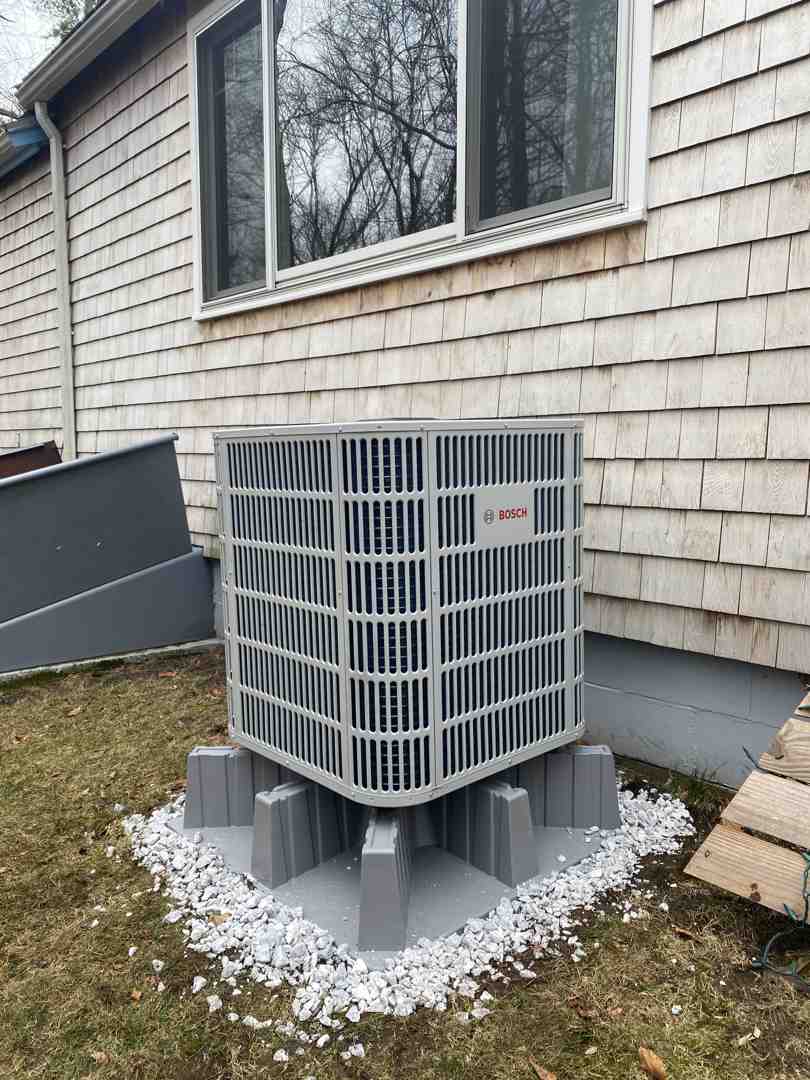
Your HVAC Needs More Attention Than You Think
Knowing how often should you service your HVAC is one of the most practical things a homeowner can do to protect their comfort and their wallet. The short answer: most systems should be professionally serviced twice a year — once in spring before cooling season, and once in fall before heating season.
Quick Answer: How Often to Service Your HVAC
| System Type | Recommended Frequency | Best Timing |
|---|---|---|
| Central AC | Once a year (minimum) | Spring (March-May) |
| Gas Furnace | Once a year (minimum) | Fall (September-November) |
| Heat Pump | Twice a year | Spring + Fall |
| Systems 10+ years old | Twice a year or more | Spring + Fall |
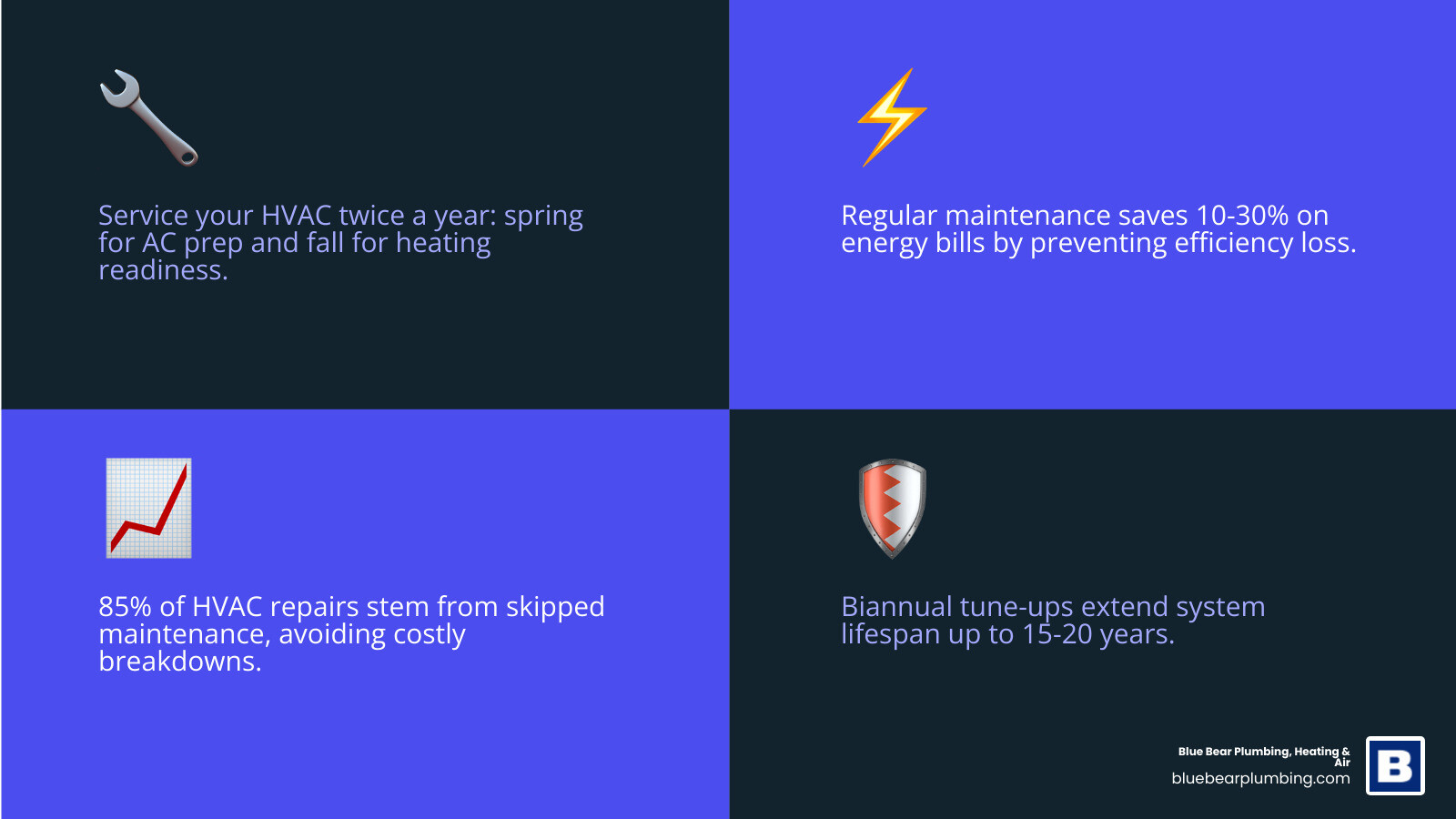
Here’s the reality most homeowners don’t realize until it’s too late: your HVAC system quietly loses efficiency every month it goes without attention. A system that hasn’t been serviced can use up to 25% more energy than one that gets regular care. And 85% of HVAC repairs trace back to skipped maintenance — not bad luck.
Think about that $800 emergency repair call on a hot July afternoon, when every technician in the area is slammed with calls from neighbors in the same boat. That scenario is almost always preventable with a $150 tune-up in April.
This guide walks you through everything you need to know — from how often to book service based on your system’s age and your South Shore climate, to what actually happens during a professional visit and the warning signs you should never ignore.
I’m Marc Provenzano, Marketing Manager at Blue Bear Plumbing, Heating & Air, and through my work with our team of experienced HVAC technicians serving South Shore Massachusetts homeowners, I’ve seen how understanding how often should you service your HVAC can be the difference between a system that lasts 20 years and one that fails at 10. Let’s make sure you’re on the right side of that equation.
The Gold Standard: How Often Should You Service Your HVAC?
When it comes to the “gold standard” of home maintenance, the answer is clear: you should schedule professional service twice a year. While some might think an annual check-up is enough, a biannual approach ensures that each half of your system—the cooling and the heating—is ready for the heavy lifting required during Massachusetts’ extreme seasons.
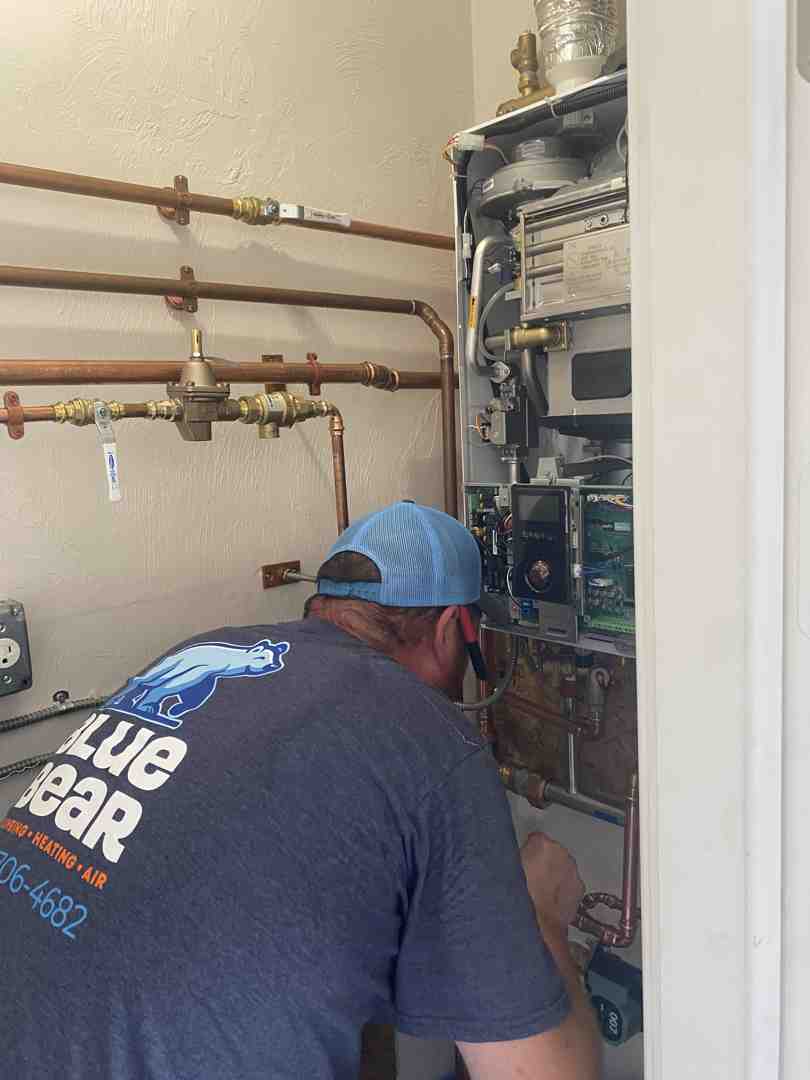
Biannual servicing typically looks like a spring AC prep and a fall heating prep. This cadence ensures your air conditioner isn’t straining through a July heatwave with dirty coils, and your furnace isn’t struggling to ignite on the first freezing night of November. Beyond just comfort, this schedule is often a requirement for manufacturer warranties. Most major brands stipulate that regular professional maintenance must be documented to keep your warranty valid. If a major component like a compressor fails, the manufacturer may ask for service records before covering the replacement.
For those with systems that have seen a few too many New England winters, we recommend a High Mileage HVAC Checkup to look closer at aging components. Consistent reliability isn’t just about luck; it’s about staying ahead of the wear and tear that naturally occurs in a complex mechanical system.
How often should you service your HVAC if it’s over 10 years old?
As your system crosses the decade mark, its needs change. While a brand-new unit might hum along with basic annual care, an older system is prone to component fatigue. In these cases, we often suggest moving toward more frequent, perhaps even quarterly, inspections.
At this stage, parts like blower motors, capacitors, and heat exchangers have undergone thousands of cycles. Small issues that were once negligible can quickly turn into system-ending failures. Understanding HVAC System Age Replacement is crucial here; if you find yourself calling for repairs every few months, it might be time to weigh the costs. To help you decide, we often look at the Repair Replace HVAC Massachusetts balance—if a repair costs more than half the value of a new system, replacement is usually the smarter financial move.
How often should you service your HVAC in the South Shore climate?
Living in coastal communities like Quincy, Marshfield, or Scituate adds a unique layer of stress to your HVAC system. Our Seasonal Heating Guide Massachusetts highlights the specific challenges of our region. Salt air is incredibly corrosive, particularly to the outdoor condenser units of air conditioners and heat pumps. If you live within a few miles of the ocean, salt can eat away at aluminum fins and copper tubing much faster than in inland areas like Natick or Framingham.
Furthermore, our extreme temperature swings—from humid 90-degree summers to sub-zero winters—mean your system never truly gets a “mild” season. High humidity can lead to mold growth in ductwork and clogged condensate lines, while the freezing cold puts immense pressure on ignition systems. Following a South Shore Winter Heating Checklist is essential for ensuring your home remains a sanctuary regardless of what the Atlantic throws at us.
Why Regular Maintenance is Essential for Massachusetts Homeowners
Regular maintenance isn’t just a chore; it’s a high-yield investment. According to the U.S. Department of Energy, proper maintenance can reduce energy consumption by as much as 30%. In a state like Massachusetts, where energy costs can be high, a well-tuned system that uses 10-30% less energy translates to significant monthly savings.
The benefits go beyond the checkbook:
- Lifespan Extension: Well-maintained units typically last 15-20 years, whereas neglected systems often fail between 10-12 years. You are essentially buying yourself an extra decade of home comfort.
- Indoor Air Quality: Dust, pollen, and pet dander accumulate in your system. Regular cleaning helps remove these pollutants, which is vital for families in our area dealing with allergies or asthma.
- Safety: This is particularly true for gas furnaces. A cracked heat exchanger can leak carbon monoxide into your home. Professional inspections catch these life-threatening issues before they become emergencies.
- Efficiency Gains: Cleaning your coils alone can improve cooling efficiency by up to 40%.
For those looking to upgrade to more efficient systems, there are even financial incentives available. You can explore 2023 HVAC Installation Tax Credits Massachusetts to see how the government helps offset the cost of high-efficiency equipment. Additionally, we highly recommend looking into Mass Save Energy Audits to identify where your home might be losing conditioned air, as fixing duct leaks can improve efficiency by about 20%.
Seasonal Timing: When to Schedule Your Tune-Ups
Timing is everything. If you wait until the first heatwave in June to call for an AC tune-up, you’ll likely find yourself at the end of a very long waiting list.
The ideal windows for scheduling are:
- Spring (March–May): This is the best When to Get AC Tuned Up in Massachusetts. Technicians are more available, and you can ensure your system is cooling properly before the humidity hits.
- Fall (September–November): This is the window for heating. Following 10 Steps to Prepare Your Heating System for the Cold Season ensures that your furnace or boiler is safe and efficient before the first frost.
Scheduling during these “shoulder seasons” allows for a more thorough inspection. If a technician finds a part that needs to be ordered, you have plenty of time to get it fixed before you actually need the system to run 24/7.
What Happens During a Professional HVAC Maintenance Visit?
A professional tune-up is much more than just a quick glance at your unit. It is a comprehensive technical evaluation designed to optimize every component.
While a What Does a New HVAC Installation Include? covers the setup of a new system, a maintenance visit focuses on preserving that performance. A typical visit includes:
- Refrigerant Level Check: Low refrigerant (even by 10%) can reduce efficiency by 20% and eventually damage the compressor.
- Electrical Inspection: We tighten all connections and measure voltage and current on motors. Loose connections are a leading cause of electrical fires and component failure.
- Condensate Drain Clearing: We ensure the lines that carry moisture away from your AC are clear. A clogged drain can lead to water damage in your home or high humidity levels.
- Blower Motor Lubrication: Reducing friction in the motor helps the system run quieter and use less electricity.
- Safety Control Testing: We test the system’s “kill switches” to ensure it will shut down safely if it ever overheats or malfunctions.
For a full breakdown of what we look for in our local area, check out our Seasonal Plumbing HVAC Maintenance Checklist for South Shore Residences.
Warning Signs You Need Service Sooner Than Scheduled
Sometimes, your HVAC system won’t wait for its scheduled appointment to tell you something is wrong. Being proactive can prevent a small fix from turning into a total system replacement.
Keep an eye (and ear) out for these red flags:
- Unusual Noises: Squealing, banging, or grinding sounds often indicate a failing belt or motor bearing.
- Weak Airflow: If you notice some rooms are warmer than others, or the air coming from the vents feels “lazy,” you likely have a clogged filter or a failing blower.
- Sudden Bill Spikes: If your energy bill jumps significantly without a change in weather, your system is likely working twice as hard to produce the same amount of comfort.
- Short Cycling: If your system turns on and off every few minutes, it’s a sign of overheating or a malfunctioning thermostat.
- Strange Odors: Musty smells point to mold in the ducts, while “burning” smells can indicate electrical issues.
If you notice these signs, it’s time to review Things to Think About When You Want to Replace Your HVAC System. Additionally, because we live in a coastal area, it’s wise to Prepare HVAC and Plumbing Systems for Hurricanes in Massachusetts to protect your outdoor units from storm surges and flying debris.
Frequently Asked Questions about HVAC Maintenance
How often should I change my air filters?
This is the most important DIY task for any homeowner. Clogged filters strain your blower and can spike your bills by 5-15%.
- 1-inch Pleated Filters: Every 1–3 months.
- 4-inch Media Filters: Every 6–12 months.
- Homes with Pets: Check monthly. Pet hair and dander clog filters much faster.
- Allergy Sufferers: Look for high MERV ratings (11-13) and change them every 60 days.
Is an HVAC maintenance plan worth it?
Absolutely. Most plans pay for themselves through energy savings and the prevention of emergency repairs. Benefits usually include priority scheduling (skipping the line in July!), discounts on parts, and a documented service history that adds value to your home if you ever decide to sell.
What happens if I skip my annual service?
Skipping service is a gamble where the house always wins. You can expect a 5-15% increase in energy costs in the first year alone. Over time, you risk voiding your warranty and facing an emergency breakdown when you need the system most. To stay on top of other home systems, we recommend keeping a Fall Plumbing Checklist alongside your HVAC schedule to ensure your entire home is winter-ready.
Conclusion
At Blue Bear Plumbing, Heating & Air, we believe that home comfort should be a given, not a guessing game. Our deep roots in the South Shore—from the historic streets of Quincy to the coastal homes of Scituate—give us a unique understanding of what your HVAC system goes through every year.
Don’t wait for the smoke or the shivering to realize your system needs help. By understanding how often should you service your HVAC and sticking to a proactive schedule, you’re choosing peace of mind, lower bills, and a safer home for your family.
Schedule your High Mileage HVAC Checkup today and let our local experts ensure your home stays comfortable all year long.
Contact Us Today

Routine maintenance is vital for the longevity of your plumbing, heating, and air conditioning systems. Sign up for our Blue Care Maintenance Plan for annual service and exclusive membership benefits, including:
- Priority scheduling
- Waived service fee during normal business hours
- 10% discount on service calls
- 3% discount on new installations
- Two-year parts and labor warranty on new equipment