




How to Maintain Your HVAC System the Right Way
HVAC
Why Every South Shore Homeowner Should Know How to Maintain Your Heating and Cooling System
Knowing how to maintain your heating and cooling system is one of the most practical things you can do as a homeowner. Your HVAC system quietly runs in the background every day — but when it’s neglected, the consequences show up fast: higher energy bills, unexpected breakdowns, and a system that wears out years too soon.
Here’s a quick look at the core steps to maintain your heating and cooling system:
- Replace air filters every 1–3 months (or monthly during peak seasons)
- Clear debris from around the outdoor condenser unit, keeping a 2-foot clearance
- Flush the condensate drain periodically to prevent clogs and water damage
- Keep vents and registers clear of furniture and obstructions
- Schedule a professional tune-up in spring before cooling season and in fall before heating season
- Test your thermostat and replace batteries as needed
- Listen and smell — strange noises or burning odors are signs to call a pro immediately
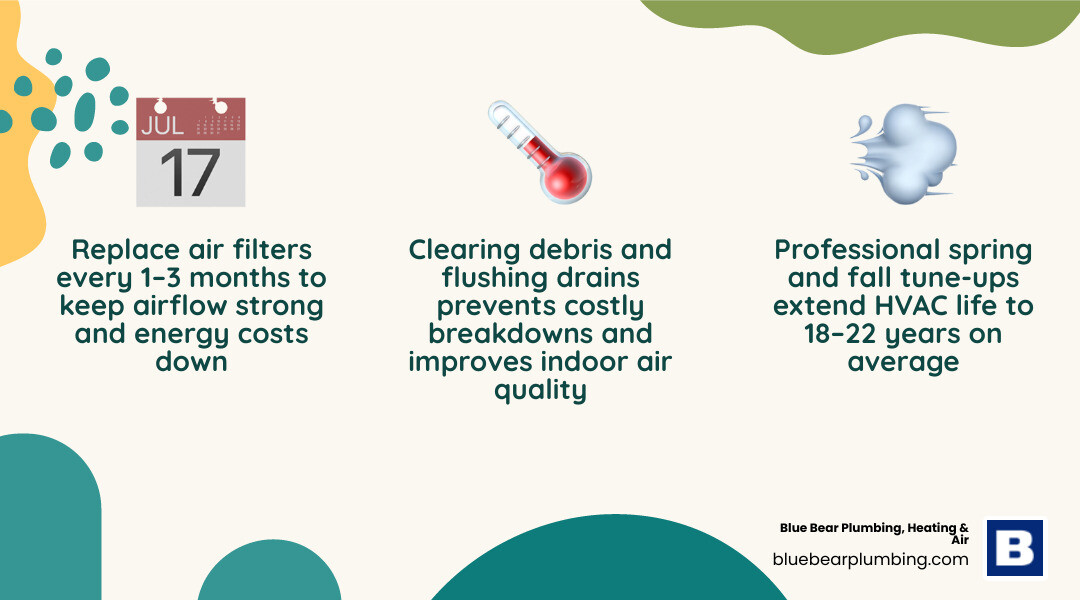
The numbers make a strong case for staying on top of this. Nearly half of the average home’s annual energy bill goes toward heating and cooling costs alone. And systems that receive documented annual maintenance last 18–22 years on average — compared to just 11–14 years for neglected ones. Skipping maintenance can cost a system 5–10% of its operating efficiency every single year.
The good news? A lot of this is manageable with a simple routine, and the rest is handled by a trusted professional once or twice a year.
I’m Marc Provenzano, Marketing Manager at Blue Bear Plumbing, Heating & Air, and I’ve spent years helping South Shore homeowners understand the real value behind knowing how to maintain your heating and cooling system — from preventing costly breakdowns to keeping energy bills in check. Let’s walk through everything you need to know, season by season.
Why Learning How to Maintain Your Heating and Cooling System is Essential

It’s easy to ignore your HVAC system when the temperature inside is perfect. However, your furnace and air conditioner are the “lungs” of your home. When they are neglected, they have to work harder to move air, which directly impacts your wallet and your comfort.
Statistics show that airflow problems can reduce system efficiency by up to 15%. Furthermore, in a typical home, 20–30% of the air moving through the ductwork is lost due to leaks or poor connections. When you understand how to maintain your heating and cooling system, you are essentially plugging those financial leaks.
Beyond the monthly bills, maintenance is about longevity. A system with documented annual care can last up to 22 years. Without it, you might find yourself looking for a replacement in just 11 years. Understanding how a maintenance plan extends equipment life and your sanity is the first step toward long-term home comfort.
I’m looking for a seasonal HVAC schedule in Norwell. When should I service my unit?
In Massachusetts, our systems face extreme shifts—from humid July afternoons to sub-zero January nights. To stay ahead of the weather, we recommend a “split” schedule.
| Season | Focus | Key Tasks |
|---|---|---|
| Spring (March–May) | Cooling Prep | Clean coils, check refrigerant, flush condensate line |
| Fall (Sept–Oct) | Heating Prep | Inspect heat exchanger, check gas connections, test burners |
| Monthly | Air Quality | Inspect and/or replace air filters |
| After Storms | Outdoor Unit | Clear snow, leaves, or fallen branches from the condenser |
Scheduling your cooling service in late winter or early spring ensures you aren’t stuck in a heatwave waiting for a technician. Likewise, getting a seasonal heating guide for Massachusetts helps you prepare before the first frost. Following spring maintenance tips to prevent a summer meltdown is the best way to ensure your AC is ready for the “Great Spring Switch.”
I want to know how to maintain my HVAC in Natick. What are the best DIY tips?
While some tasks require a licensed professional, there is plenty you can do to keep things running smoothly. Always remember to turn off the power to your unit at the breaker before performing any cleaning or physical inspections.
Mastering How to Maintain Your Heating and Cooling System Filters
The air filter is the single most important component you can manage. Its job isn’t just to clean your air; it’s to protect the blower motor from dust buildup.
- Frequency: Check it monthly. If it looks grey or solid, replace it. Typically, this happens every 30–90 days.
- MERV Ratings: For most South Shore homes, a MERV 8 to 11 filter provides the best balance between filtration and airflow.
- Direction: Note the arrow on the filter frame. It should always point toward the furnace or air handler.
Proper filter care is a major part of the 10 steps to prepare your heating system for the cold season.
Simple Steps to Maintain Your Heating and Cooling System Airflow
Airflow is the lifeblood of your HVAC. If the air can’t move, the system will overheat (in winter) or freeze up (in summer).
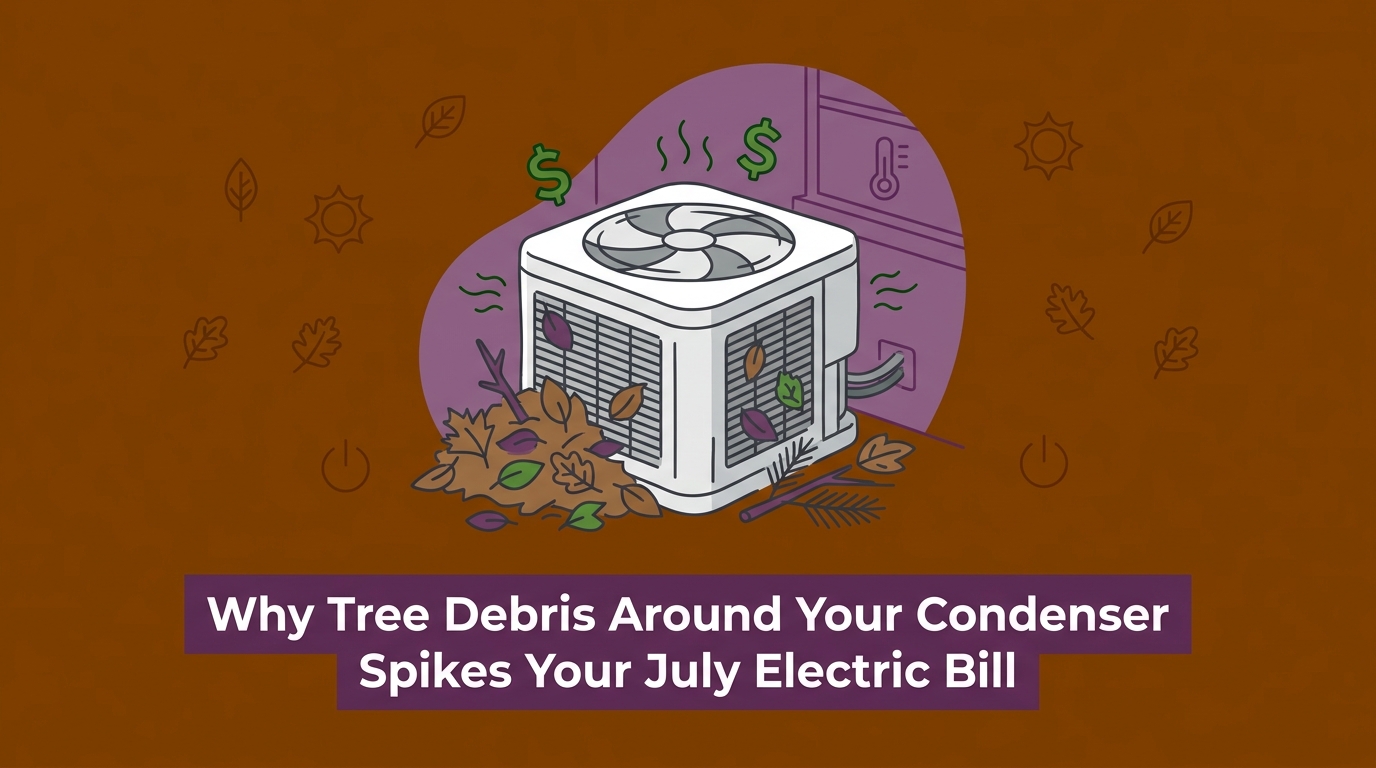
- The 2-Foot Rule: Keep vegetation, shrubs, and debris at least two feet away from your outdoor unit. This allows the condenser to “breathe” and release heat efficiently.
- Vent Management: It’s a common myth that closing vents in unused rooms saves money. In reality, it increases pressure in the ducts and can cause leaks or equipment damage. Keep all vents open.
- Condensate Line: Pouring a cup of white vinegar down the condensate drain line every few months can help prevent algae growth that leads to clogs and water damage. This is a vital part of essential spring maintenance for South Shore comfort.
Professional Tune-Ups: What South Shore Experts Handle During Inspections
DIY care is great, but there are technical elements that require specialized tools and training. A professional tune-up usually takes 60–90 minutes and covers:
- Electrical Connections: We tighten terminals and measure voltage and current on motors. Loose connections are a fire hazard and can lead to motor failure.
- Refrigerant Levels: Too much or too little refrigerant makes your AC work harder and can eventually destroy the compressor.
- Safety Inspections: For gas furnaces, we perform a combustion analysis and inspect the heat exchanger for cracks to ensure there is no risk of carbon monoxide leaks.
- Moving Parts: We lubricate motors and bearings to reduce friction and wear.
Knowing how often to service your HVAC — ideally twice a year — keeps your warranty valid, as many manufacturers require documented professional maintenance to honor parts warranties.
Warning Signs Your System Needs Immediate Professional Attention
Even with the best maintenance, parts eventually wear out. If you notice any of the following, it’s time to call in the pros:
- Strange Noises: Banging, screeching, or rattling often points to a loose belt or a failing motor.
- The “Smell” Test: A dusty smell is common when you first turn on the heat, but a metallic, electrical burning smell or the scent of rotten eggs (gas) requires an immediate shutdown and a service call.
- Short Cycling: If your system turns on and off every few minutes, it’s likely overheating or has a failing sensor.
- Inconsistent Temps: If the living room is a sauna but the bedroom is an icebox, you may have ductwork issues or a failing blower.
If you are wondering what’s causing your furnace to blow cold air, it could be anything from a dirty flame sensor to a pilot light issue. Addressing these early is why paying for HVAC maintenance now saves your wallet later.
Frequently Asked Questions about HVAC Care
How often should I change my air filters?
In most homes, you should change a standard 1-inch filter every 1–3 months. If you have pets, live in a high-dust area (like near a construction site), or have family members with allergies, you should check it every 30 days. Thicker 4-inch “media” filters can often last 6–12 months.
Does closing vents in unused rooms save energy?
No. HVAC systems are designed to move a specific volume of air. Closing vents increases the “static pressure” in your ductwork, which can cause air leaks and put significant strain on the blower motor, potentially leading to a premature breakdown.
How long should a well-maintained HVAC system last?
With documented annual maintenance, a modern system can last 18–22 years. Without maintenance, that lifespan often drops to 11–14 years. Regular care effectively doubles the time between major capital investments in your home.
Conclusion
Mastering how to maintain your heating and cooling system is a journey of small, consistent steps. By handling the DIY basics like filter changes and debris removal, and partnering with a professional for seasonal tune-ups, you ensure your home remains a sanctuary of comfort regardless of the Massachusetts weather.
At Blue Bear Plumbing, Heating & Air, we take pride in serving our neighbors across the South Shore, from Norwell to Natick and beyond. Our team is committed to high-quality workmanship and transparent service. To make maintenance even easier, the Blue Care Plan keeps your home systems humming with priority service and regular inspections.
Ready to ensure your system is in top shape? Visit us at bluebearplumbing.com to schedule your next tune-up and experience the peace of mind that comes with expert HVAC care.
Contact Us Today

Routine maintenance is vital for the longevity of your plumbing, heating, and air conditioning systems. Sign up for our Blue Care Maintenance Plan for annual service and exclusive membership benefits, including:
- Priority scheduling
- Waived service fee during normal business hours
- 10% discount on service calls
- 3% discount on new installations
- Two-year parts and labor warranty on new equipment