




Do Maintenance Plans Actually Save You Money in the Long Run?
HVAC
Is an HVAC Maintenance Plan Worth It for South Shore Homeowners?
Is an HVAC maintenance plan worth it? For most homeowners — especially those with systems five or more years old, or living in a climate with cold winters and humid summers like Massachusetts — the answer is yes. Here’s a quick breakdown:
An HVAC maintenance plan is worth it if you:
- Have a system that is 5+ years old
- Want to protect your manufacturer’s warranty
- Prefer predictable maintenance costs over surprise repair bills
- Live somewhere with demanding heating and cooling seasons (like the South Shore)
- Want priority scheduling when something goes wrong
An HVAC maintenance plan may be less essential if you:
- Have a brand-new system still covered by a full manufacturer agreement
- Are comfortable performing regular technical checks yourself
- Plan to replace your entire system within the next year
That said, the details matter — and not every plan is created equal. Some deliver real, measurable value. Others are light on coverage and heavy on upsell pressure. This guide cuts through the noise so you can make a confident, informed decision for your home.
I’m Marc Provenzano, Marketing Manager at Blue Bear Plumbing, Heating & Air, and I’ve spent years working alongside our team of licensed technicians helping South Shore homeowners understand is an HVAC maintenance plan worth it for their specific situation. From aging systems in Quincy to new installs in Norwell, I’ve seen what separates a plan that pays for itself from one that doesn’t — and I’ll walk you through exactly what to look for.
What is an HVAC Maintenance Plan and What Does it Include?
At its core, an HVAC maintenance plan is a proactive service agreement between you and a licensed contractor. Think of it like a wellness plan for your home’s “lungs.” Instead of waiting for the furnace to quit on a freezing January night in Braintree, you pay for a professional to visit your home during the off-season to clean, calibrate, and inspect the equipment.
These plans typically cover the two major “shifts” your system works: the cooling season and the heating season. Because our Massachusetts weather swings from humid 90-degree days to sub-zero blizzards, your equipment faces immense physical stress. A comprehensive Seasonal Plumbing & HVAC Maintenance Checklist for South Shore Residences ensures that every nut, bolt, and wire is ready for the upcoming battle against the elements.
Standard Services in a Professional Agreement
When a technician arrives for a scheduled visit, they aren’t just there to change a filter. A high-quality plan includes a deep dive into the system’s internals. This involves:
- Thermostat Calibration: Ensuring your “brain” is talking to your “brawn” accurately.
- Electrical Connections: Tightening terminals to prevent shorts or fire hazards.
- Moving Parts Lubrication: Reducing friction that leads to motor burnout.
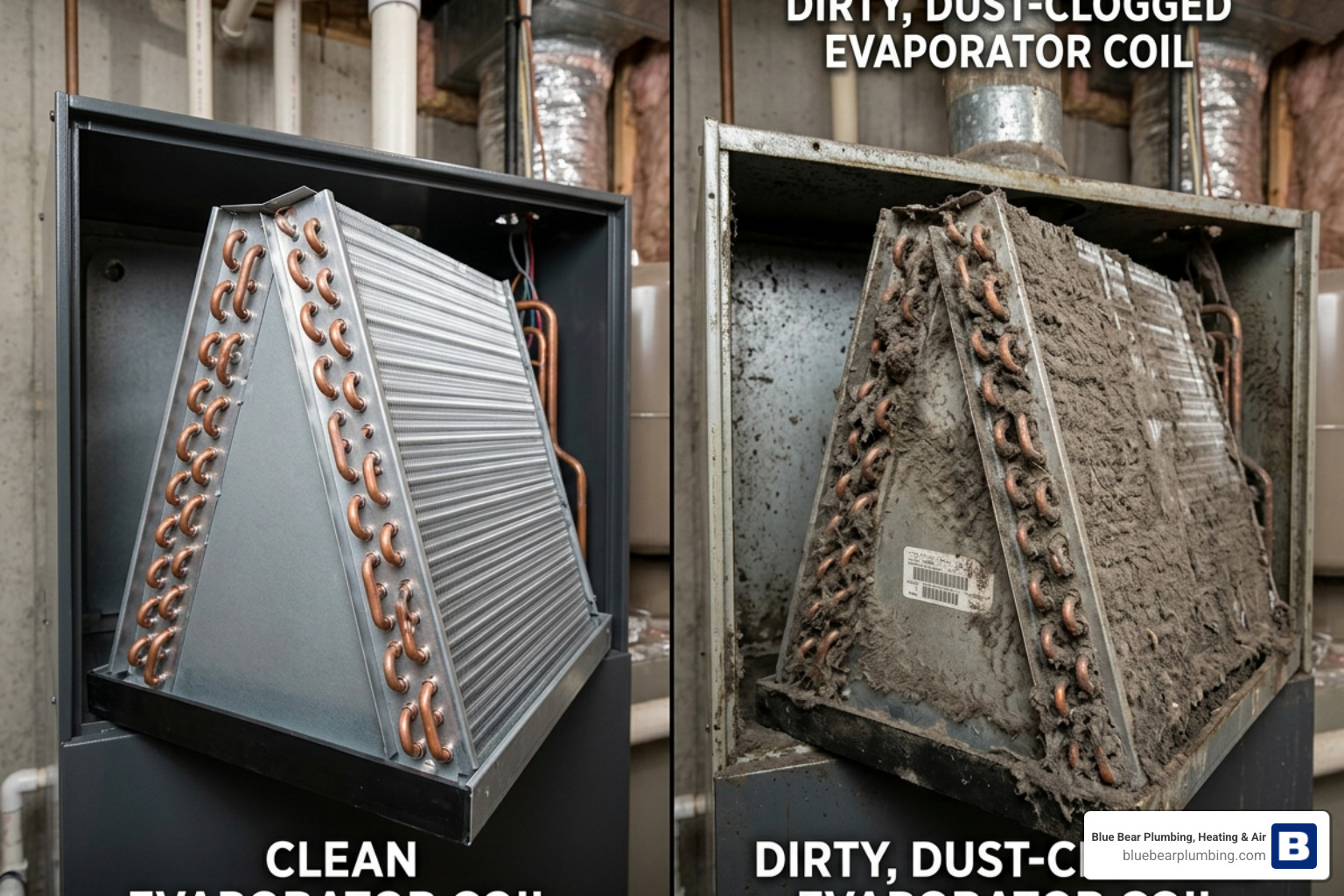
- Condensate Drain Cleaning: Clearing out the sludge that causes water damage and mold.
If you’ve ever wondered How to Clean Your AC, you know it involves more than just a garden hose. Professionals use specialized cleaners to ensure heat transfer is maximized, which keeps your utility bills from creeping upward.
Scheduling and Frequency for Massachusetts Homes
In our region, “set it and forget it” doesn’t work. We recommend a biannual schedule.
- Spring (March/April): A cooling-focused tune-up to prepare for the humidity.
- Fall (September/October): A heating-focused inspection to ensure the furnace or boiler is safe and efficient.
Knowing When to Get AC Tuned Up in Massachusetts is half the battle. By scheduling these in the “shoulder seasons,” you avoid the frantic rush when everyone else’s system breaks down during the first heatwave of June.
Is an HVAC Maintenance Plan Worth It for Your South Shore Home?
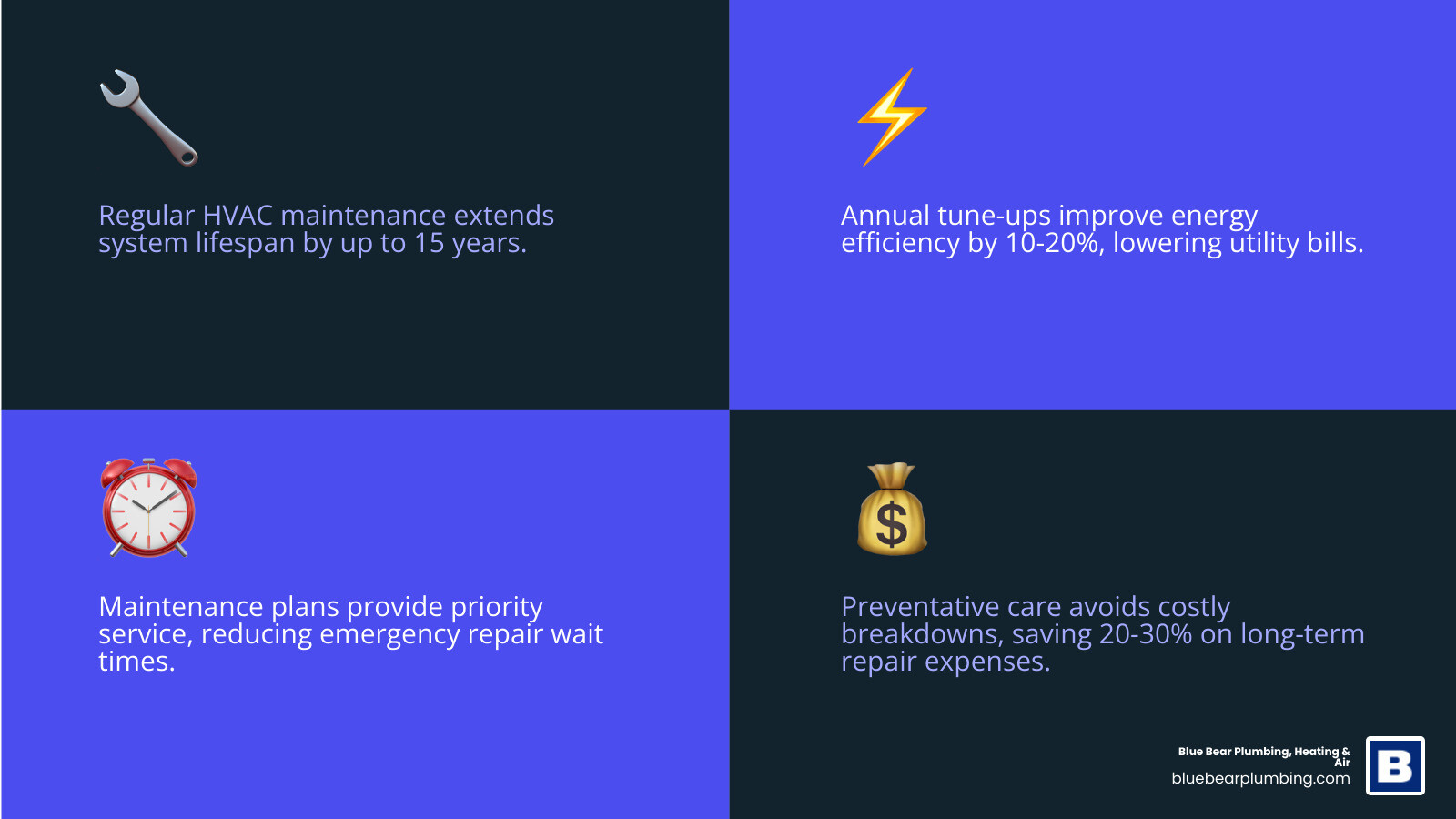
When evaluating if a plan is a “good buy,” we have to look at the math of reliability. A well-maintained system can run up to 15% to 20% more efficiently than a neglected one. For a home in Weymouth or Hingham, that efficiency translates directly into lower monthly energy bills. Furthermore, regular care can extend the life of your central AC or heat pump from a measly 10 years to a robust 15 or 20 years.
| Feature | Maintenance Plan | On-Demand Service |
|---|---|---|
| Scheduling | Priority (Front of the line) | Standard (Wait times vary) |
| Repair Costs | Often includes 10-15% discount | Full price |
| Emergency Fees | Often waived or reduced | Standard after-hours rates |
| System Life | Maximized (15-20 years) | Reduced (10-12 years) |
| Documentation | Full service history for warranty | Fragmented records |
Following a South Shore Winter Heating Checklist is vital for safety, but a plan automates that peace of mind.
Why an HVAC maintenance plan is worth it for older systems
If your system is entering its “senior years” (10+ years old), a maintenance plan shifts from a luxury to a necessity. We call this “predictive tracking.” During a High Mileage HVAC Checkup, a technician can monitor the “wear and tear” on expensive components like the compressor or the inducer motor.
Catching a failing capacitor—a relatively minor part—during a routine visit can prevent the entire motor from burning out. For older units, this “loss prevention” strategy is often the only thing standing between a quick fix and a total system replacement.
Is an HVAC maintenance plan worth it for new installations?
You might think a brand-new system doesn’t need a plan. However, most major manufacturers (like Trane, Lennox, or Carrier) require documented professional maintenance to keep their 10-year parts warranty valid. If a major component fails in year seven and you can’t provide proof of annual service, the manufacturer may deny your claim.
Beyond the legalities, a plan helps you Keep Your Cool: A Homeowner’s Guide to Norwell AC Maintenance by ensuring that factory-fresh efficiency doesn’t drop by 10% or more due to simple dust buildup in the first few seasons.
Professional Service vs. DIY: Can You Maintain Your System Alone?
We love a proactive homeowner. There are several things you should do yourself to keep the air flowing. However, HVAC systems involve high-voltage electricity, flammable gas, and pressurized refrigerants.
Recommended DIY Tasks for Homeowners
To get the most out of your system, we suggest these simple tasks:
- Filter Changes: Check your filter monthly and change it every 1–3 months.
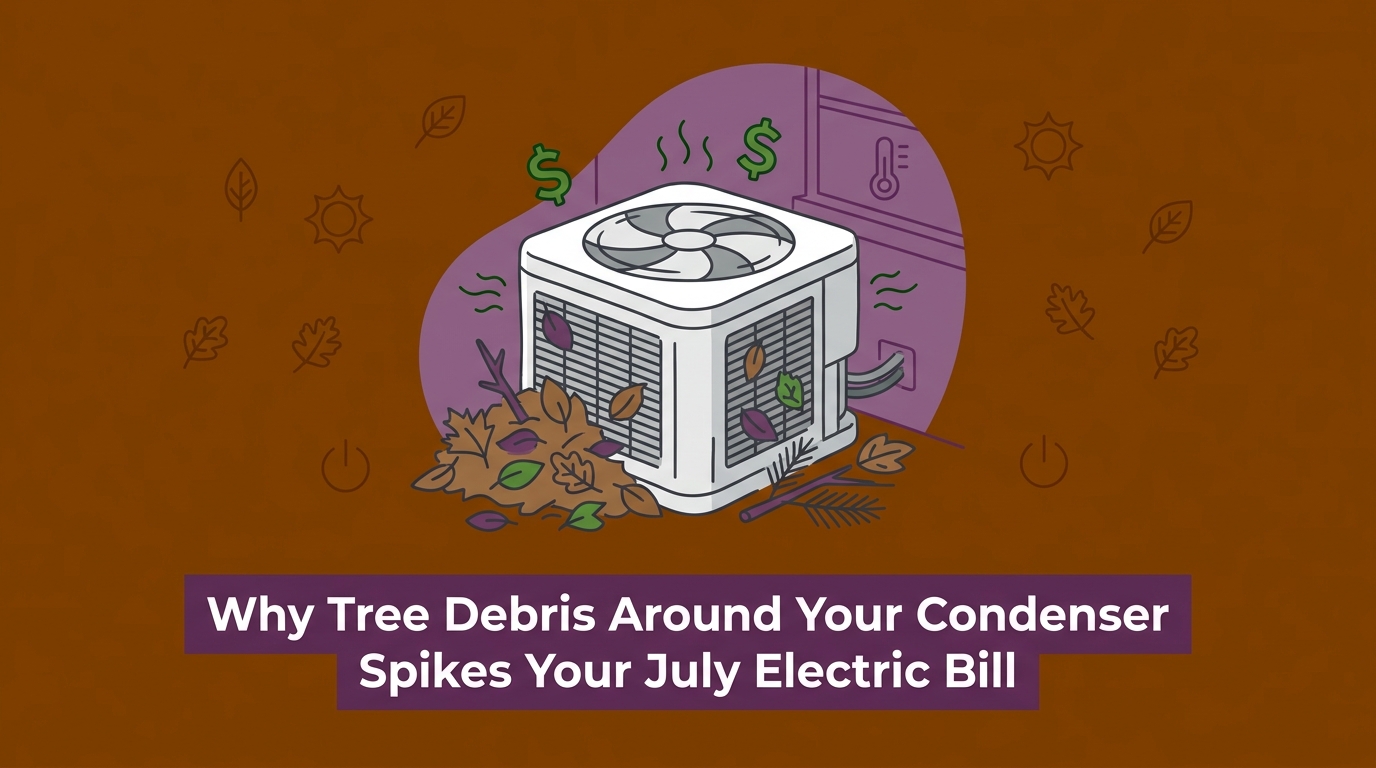
- Outdoor Clearance: Keep shrubs, weeds, and debris at least two feet away from your outdoor condenser.
- Vent Obstructions: Ensure furniture or rugs aren’t blocking return or supply vents.
- Visual Safety: Use these Home Furnace Safety Tips for the Fall to spot obvious issues like soot or strange smells.
You can even take 10 Steps to Prepare Your Heating System for the Cold Season to make sure your home is ready for the first frost.
Technical Tasks Requiring a Licensed Professional
While DIY is great for filters, it stops at the cabinet door. Only a licensed professional should handle:
- Refrigerant Levels: Handling refrigerant requires EPA certification and specialized gauges.
- Heat Exchanger Inspection: Checking for microscopic cracks that could leak carbon monoxide into your home.
- Electrical Testing: Measuring the “draw” of motors and the “capacitance” of starters to predict failure.
When you work with The Best AC Maintenance Experts Natick Has to Offer, you are paying for the specialized tools and the trained eyes that spot a $20 problem before it becomes a $2,000 disaster.
Maximizing Value and Avoiding Common Pitfalls
Not all plans are created equal. To ensure is an HVAC maintenance plan worth it for you, look for “value multipliers.” A good plan shouldn’t just be a prepay for two visits; it should offer administrative perks that save you money when things go wrong.
Our Blue Care Priority Plan is designed to provide this exact type of “insurance” for your home. This includes priority scheduling—meaning if your AC dies during a record-breaking July heatwave in Quincy, you move to the front of the line. It also includes discounts on parts and labor, which can often pay for the annual cost of the plan in a single repair visit.
Checking Your Warranty Coverage
Before signing any agreement, look at your existing paperwork. Do you have a home warranty? Does your manufacturer require twice-yearly service or just once? Keeping detailed service records is the only way to protect your investment. Learning How to Master AC Maintenance in Natick, MA starts with understanding the fine print of your equipment’s warranty.
Evaluating Reputable Service Providers
A maintenance plan is only as good as the technician performing the work. Avoid companies that use maintenance visits as a “foot in the door” just to sell you a new system. Look for:
- Upfront Pricing: You should know exactly what the plan costs.
- Comprehensive Checklists: You should receive a written report of what was checked.
- Local Reputation: Check reviews from your neighbors in the South Shore.
A company that understands the South Shore Winter Plumbing Checklist and other local seasonal needs will be better equipped to protect your home than a national chain.
Frequently Asked Questions About HVAC Service Agreements
How often should I schedule professional service?
In the Massachusetts climate, we recommend twice a year. Once in the spring for your air conditioner and once in the fall for your furnace or boiler. If you have a heat pump, it works year-round, so those two checkups are even more critical to keep the reversing valve and coils in top shape.
Do maintenance plans cover the cost of major repairs?
Generally, no. A maintenance plan is “preventative healthcare,” not “full insurance.” It covers the inspections and tune-ups. However, most plans provide a significant discount (usually 10% to 15%) on any repairs that are discovered during the visit, and many waive the diagnostic or “trip” fee for members.
What do real user experiences say about the value of these plans?
Homeowners on forums like Reddit and Bogleheads often debate this topic. The consensus is usually that plans are “worth it” for people who value peace of mind and priority service. While some “handy” homeowners prefer to pay-as-they-go, those who have experienced a mid-winter breakdown often swear by the priority scheduling that comes with a membership. As one user noted, “I don’t have to explain to my family why it’s 50 degrees in the house for three days while we wait for a tech—we get service the same day because of our plan.”
Conclusion
At Blue Bear Plumbing, Heating & Air, we believe in building long-term relationships with our neighbors in South Boston and the South Shore. Whether you are in Abington, Norwell, or Quincy, our goal is to provide high-quality workmanship and attentive customer care with total integrity.
We don’t just want to fix your heater; we want to ensure your home stays comfortable and safe for decades. If you’re ready to take the guesswork out of your home comfort and ensure your system is running at peak efficiency, we invite you to explore our Blue Care Priority Plan. Let us handle the heavy lifting so you can get back to enjoying your home.
Contact our friendly, local team today to see how we can help you stay comfortable all year long!


Contact Us Today

Routine maintenance is vital for the longevity of your plumbing, heating, and air conditioning systems. Sign up for our Blue Care Maintenance Plan for annual service and exclusive membership benefits, including:
- Priority scheduling
- Waived service fee during normal business hours
- 10% discount on service calls
- 3% discount on new installations
- Two-year parts and labor warranty on new equipment