




Ductless vs Ducted Cooling Pros and Cons for Every Homeowner
HVAC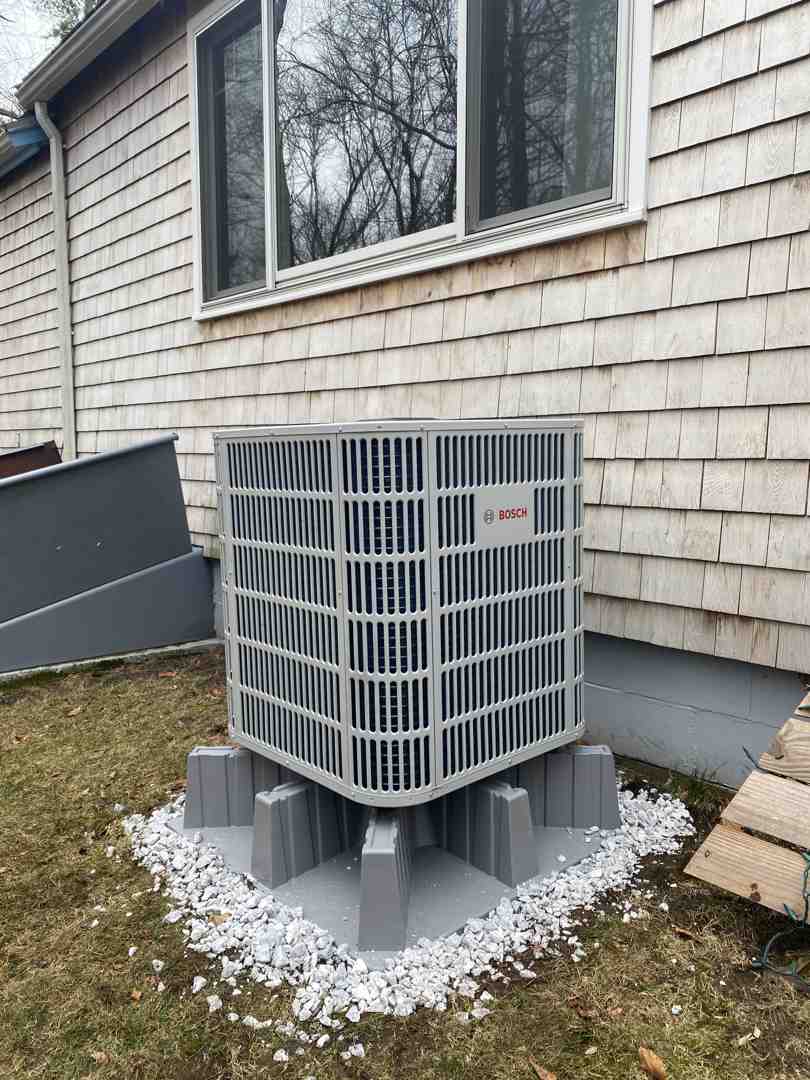
Your Home’s Ideal Cooling System in South Shore, MA
The central ac vs ductless mini split comparison is a key decision for homeowners seeking comfort in South Shore, MA. Both systems offer effective cooling, but they achieve it in different ways. Understanding these differences helps you choose the best fit for your home, especially with 2026’s focus on energy-efficient upgrades.
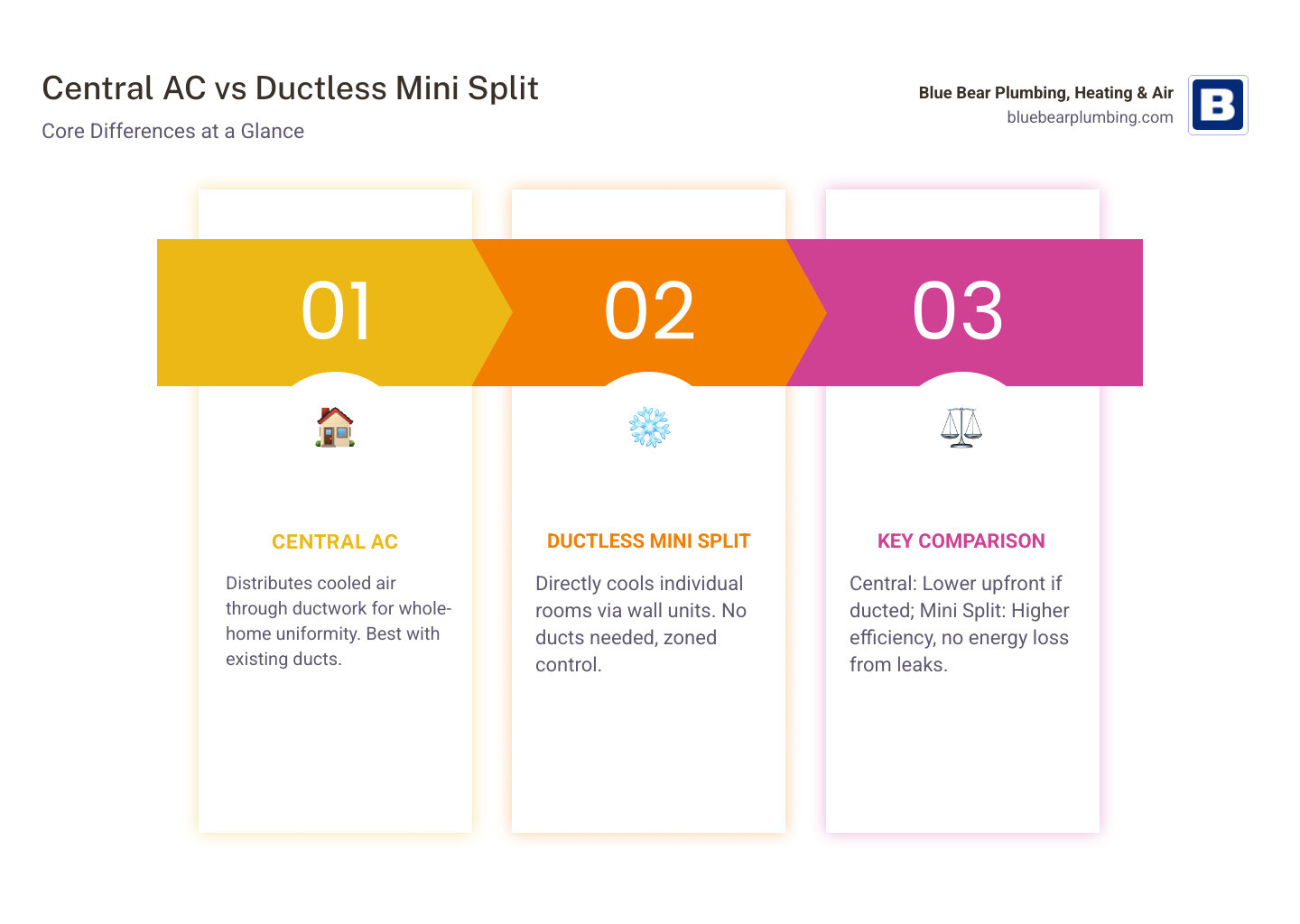
- Central AC: Best for homes with existing ductwork, offers whole-home uniform cooling, generally lower upfront cost if ducts are present.
- Ductless Mini-Split: Ideal for homes without ducts, additions, or zoned cooling needs, higher energy efficiency (especially without duct loss), provides room-by-room control.
Choosing the right cooling system in South Shore, MA, is crucial for comfort and energy savings. Whether you’re upgrading an older home or cooling a new addition, comparing central air conditioning and ductless mini-split systems helps ensure you make a smart investment. As a homeowner, you want reliable, efficient cooling that matches your lifestyle and property needs. With so many options available, it’s easy to feel overwhelmed. We’re here to break down the pros and cons simply.
For comprehensive information on all your home’s comfort needs, visit Blue Bear Plumbing, Heating & Air, and when you’re ready for expert service, schedule your consultation today with Blue Bear Plumbing, Heating & Air.
I’m Marc Provenzano, Marketing Manager at Blue Bear Plumbing, Heating & Air. I’ve spent years helping homeowners understand complex decisions like the central ac vs ductless mini split comparison, bringing fresh perspectives to home services. This guide will help you make an informed choice for your home.
How Central AC and Ductless Mini Splits Work
To make an informed central ac vs ductless mini split comparison, it helps to understand the “magic” happening behind the scenes. While both systems use the same basic physics of refrigeration—moving heat from inside your home to the outside—they distribute that comfort differently.

The Mechanics of Central AC
A central air system is a “forced-air” setup. It relies on a large indoor air handler (usually in a basement or attic) and a network of hidden ducts. The system pulls warm indoor air through “return” vents, passes it over cold evaporator coils filled with refrigerant, and then blows the chilled air back through supply ducts to every room. This process is managed by a single thermostat that tells the entire house to cool down at once. If you are curious about the full scope of a setup like this, you can learn more about what a new HVAC installation includes to see how these components fit together.
The Mechanics of Ductless Mini Splits
Ductless systems skip the “middleman”—the ductwork. Instead, they consist of a small outdoor compressor connected to one or more indoor air handlers via a slim bundle of refrigerant lines and power cables. These lines usually only require a tiny three-inch hole in your exterior wall. Each indoor unit is mounted directly on a wall or ceiling in a specific room, cooling that space directly.
Most modern mini splits in 2026 utilize inverter technology. Think of this like a dimmer switch for your cooling. Traditional central units often operate like a light switch—they are either 100% on or 100% off. Inverter-driven compressors, however, can ramp their speed up or down to maintain a perfectly steady temperature, using only the exact amount of energy needed.
Central AC vs Ductless Mini Split Comparison: Efficiency and Performance
When we talk about efficiency in 2026, the conversation centers on SEER2 ratings. SEER2 (Seasonal Energy Efficiency Ratio 2) measures how much cooling a system provides per watt of electricity used. The higher the number, the more “miles per gallon” you get from your air conditioner.
| Feature | Central AC | Ductless Mini Split |
|---|---|---|
| Typical SEER2 Range | 13 to 26 | 18 to 42 |
| Energy Loss | 20% to 30% (via ducts) | Near 0% |
| Zoning | Limited/Whole-home | Precision Room-by-Room |
| Lifespan | 15–20 Years | 20–30 Years |
The biggest “efficiency tax” on central air is the ductwork itself. Research shows that typical duct systems can lose 25% to 30% of their cooling energy through leaks, poor insulation, or thermal bypass. This is especially true in South Shore homes where ducts often run through hot attics. If your energy bills are spiking, you might want to look for 6 signs you need ductwork repair or replacement before deciding on a new system.
Understanding SEER2 in a Central AC vs Ductless Mini Split Comparison
In a head-to-head central ac vs ductless mini split comparison, ductless systems are the undisputed heavyweights of efficiency. While premium central AC units can reach SEER2 ratings in the mid-20s, some high-end mini splits can achieve a staggering 42 SEER2. Because mini splits deliver air directly into the room, they eliminate the energy waste associated with leaky ducts entirely. For many, this makes older window units outdated and inefficient by comparison.
Temperature Consistency and Zoned Comfort Control
We have all experienced “thermostat wars”—one person is freezing in the kitchen while another is sweltering in an upstairs bedroom. Central AC provides uniform cooling, but it often struggles with multi-story homes or rooms with large windows.
Ductless mini splits solve this through zoning. Since each indoor unit has its own thermostat, you can set the primary bedroom to 68°F while keeping the guest room at 74°F. This targeted cooling means you aren’t wasting money cooling empty rooms. When deciding which route to take, knowing how to pick the best AC installation in Quincy MA can help you determine if your home layout favors a zoned or uniform approach.
Choosing the Right System for Your Massachusetts Home Layout
Your home’s architecture is often the deciding factor in the central ac vs ductless mini split comparison. In the South Shore and South Boston areas, we have a beautiful mix of historic Colonials, mid-century ranches, and modern builds.
Central AC is usually the most logical choice if your home already has a functional duct system in good condition. Replacing an old central unit with a new, high-efficiency model is straightforward and maintains the “invisible” look of your HVAC system.
Ductless Mini Splits are a game-changer for:
- Older Homes: Many historic homes in Quincy and Braintree were built before central air was standard. Installing ducts in these homes can be incredibly invasive and expensive (sometimes adding up to $18,000 to the project).
- Room Additions: If you’ve added a sunroom or a “man cave” in the garage, a mini split allows you to cool that space without overtaxing your main central system.
- Slab-on-Grade Homes: Homes without a basement or attic often have nowhere to hide bulky ductwork.
If you are navigating these structural challenges, finding a reliable AC installation company in Quincy MA is the first step toward a professional assessment of your home’s layout.
When to Choose a Ductless Mini Split for Targeted Cooling
Sometimes, a hybrid approach is best. You might keep your central AC for the main floor but install a mini split in a finished attic or a stubborn upstairs bedroom that never stays cool. These units are flexible and require minimal renovation. To keep them running at peak performance, it is vital to maintain aircon wall units by keeping the filters clear of dust and debris.
Final Verdict: Central AC vs Ductless Mini Split Comparison for 2026
As we look at home values in 2026, energy efficiency is a top priority for buyers. While central AC is often seen as the “gold standard” for whole-home uniformity, ductless systems are rapidly gaining ground due to their lower operating costs and precision control. If you are asking yourself, “Do I need a new AC?“, consider your long-term ROI. A ductless system might have a higher initial equipment cost for a whole-home setup, but the 30% savings on monthly utility bills can pay for that difference over time.
Maintenance, Air Quality, and Long-Term Reliability
Both systems require regular “TLC” to reach their full lifespan, which typically ranges from 15 to 20 years for central AC and up to 25–30 years for premium ductless units.
Air Quality and Filtration
Central AC systems can accommodate high-MERV filters that scrub the air for the entire home, which is great for allergy sufferers. However, if ducts are dirty, they can actually spread dust and allergens. Ductless units have smaller, washable filters in each head. Because they don’t use ducts, there is no place for dust to accumulate out of sight.
Proper maintenance is the key to air quality. Learning how to clean your AC—such as rinsing mini split filters every few weeks—can significantly improve the air you breathe. Furthermore, knowing when to get an AC tuned up in Massachusetts (usually twice a year) ensures your system is ready for our humid summers and chilly winters.
Humidity Control
In the South Shore, humidity is a major factor. Both systems act as dehumidifiers, but mini splits with inverter technology are often better at removing moisture because they run for longer cycles at lower speeds. For more on this, check out our guide on understanding how humidity impacts indoor air.
Frequently Asked Questions about Central AC vs Ductless Mini Split Comparison
Can ductless mini splits provide effective heating in Massachusetts?
Yes! Most modern mini splits are actually “heat pumps.” In 2026, cold-climate models can provide effective heating even when temperatures drop well below zero. This makes them an excellent year-round solution for Massachusetts homes. You can find more details in the Quincy guide to affordable AC installation, which covers how these systems handle our local climate.
Which system is quieter for a home office or bedroom?
Ductless mini splits are remarkably quiet. The indoor units often operate at 19 to 26 decibels—literally softer than a whisper. While central AC is also quiet, you often hear the “whoosh” of air through the vents or the clatter of the air handler starting up. For spaces where silence is golden, such as a nursery or home office, check out Natick AC installation: how to stay cool without breaking a sweat for more on quiet comfort.
How long do these systems typically last with proper care?
With professional maintenance, a central AC unit typically lasts 15 to 20 years. Ductless mini splits, especially premium brands, can last 20 to 30 years. The lack of ductwork strain and the use of variable-speed compressors generally lead to less wear and tear on the components. To maximize your investment, it’s worth learning how to master AC maintenance in Natick MA.
Conclusion
Whether you choose the whole-home power of central air or the surgical precision of a ductless mini split, the right choice depends on your home’s unique needs and your comfort goals. At Blue Bear Plumbing, Heating & Air, we pride ourselves on being the local experts for South Boston and the South Shore. Our friendly, local team is committed to high-quality workmanship and transparent communication, ensuring you get the most reliable cooling solution for your property.
From Quincy to Natick and down to the South Shore, we are here to help you stay cool. Ready to upgrade your comfort? Visit Blue Bear Plumbing, Heating & Air today to schedule your personalized home comfort assessment!



Contact Us Today

Routine maintenance is vital for the longevity of your plumbing, heating, and air conditioning systems. Sign up for our Blue Care Maintenance Plan for annual service and exclusive membership benefits, including:
- Priority scheduling
- Waived service fee during normal business hours
- 10% discount on service calls
- 3% discount on new installations
- Two-year parts and labor warranty on new equipment