




Don’t Get Left in the Cold with Quincy Heat Pump Installation
HVAC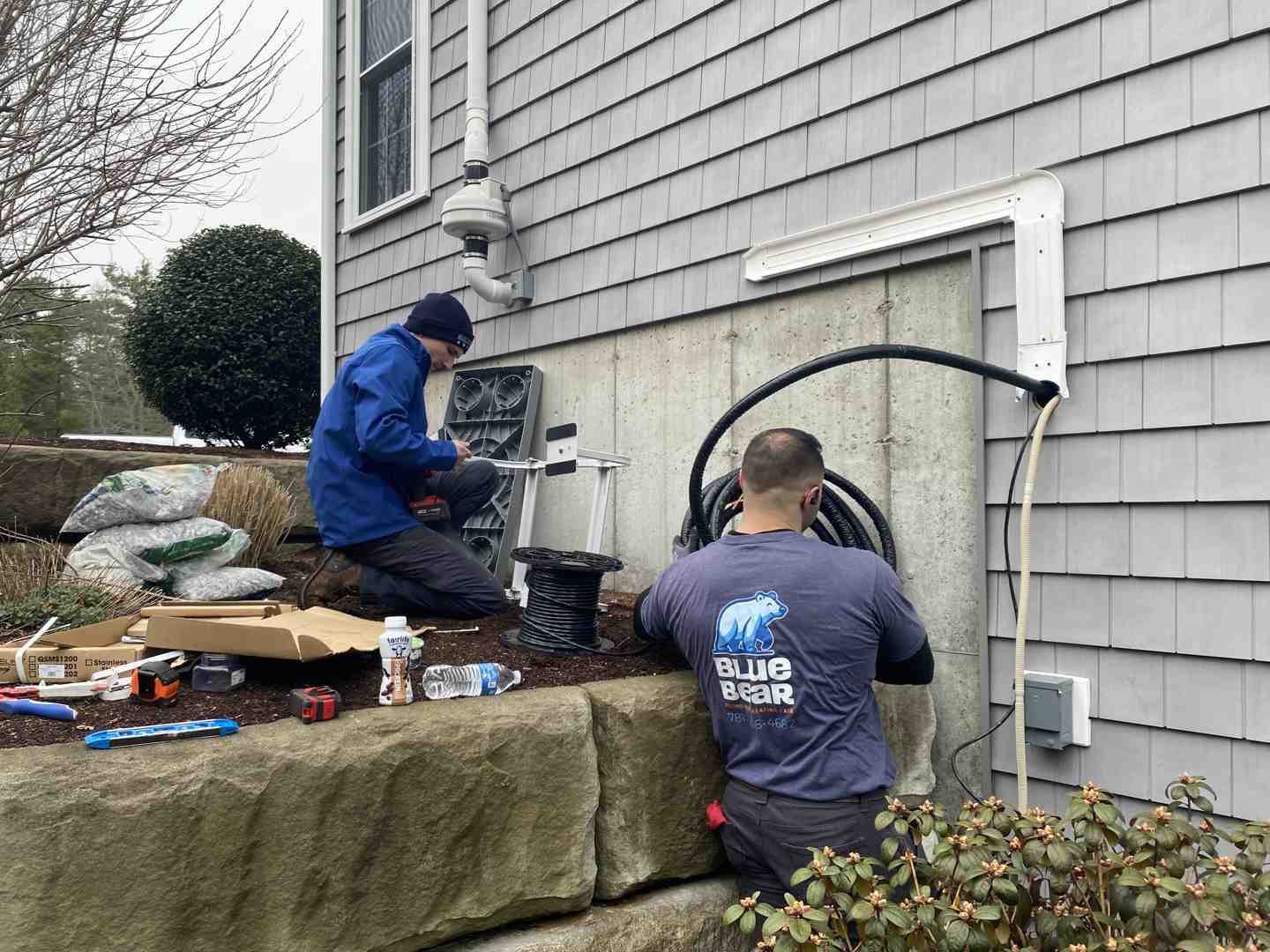
Is Your Home Ready for Heat Pump Installation in Quincy, MA?
Heat pump installation in Quincy, MA is one of the smartest upgrades a homeowner can make for year-round comfort — whether you’re bracing for a bitter January or sweating through a humid August.
Here’s what Quincy homeowners should know right away:
- Heat pumps both heat and cool your home using a single, energy-efficient system
- Modern cold-climate heat pumps work reliably down to -15°F, making them well-suited for Quincy winters
- Mass Save rebates can significantly offset your installation costs for qualifying systems
- Heat pumps are 2 to 5 times more efficient than oil, gas, or electric baseboard heating
- Blue Bear Plumbing, Heating & Air serves Quincy and the surrounding South Shore with local expertise and transparent service
New England weather doesn’t give you much warning. One week you’re running the AC, the next you’re reaching for a blanket. A heat pump handles both — quietly, efficiently, and without the need for separate heating and cooling systems taking up space in your home.
Quincy’s mix of coastal humidity, cold snaps, and older housing stock means there’s no one-size-fits-all solution. The right heat pump for a Victorian in Adams Shore is different from what works in a modern condo near Quincy Center. That’s why working with a local team that understands the area makes all the difference.
I’m Marc Provenzano, Marketing Manager at Blue Bear Plumbing, Heating & Air, and I’ve spent my career helping homeowners in the South Shore understand their options — including heat pump installation in Quincy, MA — so they can make confident, informed decisions. Let’s walk you through everything you need to know.
Why heat pump installation in quincy, ma is the Smart Choice
Living in the “City of Presidents” means dealing with a unique climate. Between the chilly sea breezes off Quincy Bay and the sweltering humidity of a Massachusetts July, your HVAC system has its work cut out for it. Traditional systems like oil furnaces or electric baseboards often struggle to keep up efficiently, leading to monthly bills that can be difficult to manage.
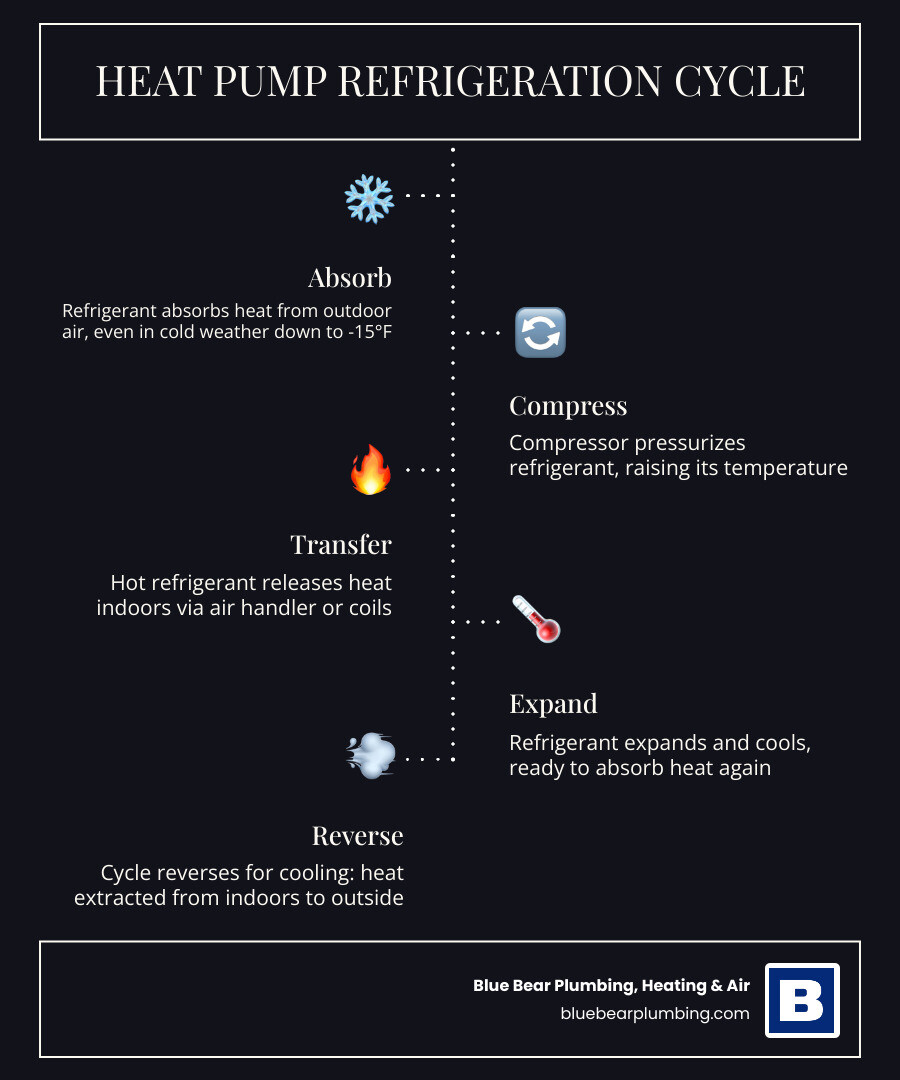
Heat pump installation in Quincy, MA offers a modern alternative. Unlike a furnace that creates heat by burning fuel, a heat pump moves heat. In the winter, it pulls warmth from the outdoor air (yes, even when it’s freezing!) and brings it inside. In the summer, it reverses the process, acting as a high-powered air conditioner to pull heat out of your home.
This process is incredibly energy-smart. Because it transfers heat rather than generating it, a heat pump can be up to 5 times more efficient than traditional heating methods. For Quincy residents, this translates to a significant drop in monthly heating expenses for many switching from oil or older electric systems.
Beyond the savings, there is the environmental impact. By reducing your reliance on fossil fuels, you are significantly lowering your home’s carbon footprint. It’s a win for your wallet and a win for the South Shore environment. Before you make the leap, it is worth considering Things to Think About When You Want to Replace Your HVAC System to ensure you’re choosing the path that fits your long-term goals.
Understanding Different Types of Heat Pump Systems
When we talk about heat pump installation in Quincy, MA, we aren’t just talking about one specific box. There are several ways to configure these systems to fit the architecture of your home, whether you live in a historic home near the Adams National Historical Park or a newer build in Merrymount.
- Air Source Heat Pumps: The most common type, these units extract heat from the outside air. Modern “cold-climate” versions are specifically engineered for our New England winters.
- Hybrid (Dual-Fuel) Models: These systems combine an electric heat pump with a gas furnace. The heat pump handles the majority of the heating, but the furnace kicks in during those rare, extreme “Polar Vortex” events for an extra boost.
- Geothermal Heat Pumps: These use the constant temperature of the earth to provide heating and cooling. While they offer the highest efficiency, they require significant excavation and are a much larger project.
Comparing System Layouts
One of the biggest decisions you’ll face is choosing between a ducted or ductless setup.
| Feature | Ductless Mini-Split | Central Ducted Heat Pump |
|---|---|---|
| Ideal For | Homes without existing ducts, additions, or “problem” rooms. | Homes with existing, high-quality ductwork. |
| Control | Zoned comfort (each room has its own thermostat). | Whole-home consistent temperature. |
| Installation | Minimally invasive; requires small holes for conduits. | Uses your current vents and registers. |
| Aesthetics | Visible indoor units (wall, floor, or ceiling). | Hidden within the walls/attic. |
Selecting the Right heat pump installation in quincy, ma for Your Property
Sizing is the most critical part of the process. If a system is too small, it will run constantly and fail to keep you warm. If it’s too large, it will “short cycle,” turning on and off too frequently, which wastes energy and wears out the parts.
At Blue Bear Plumbing, Heating & Air, we don’t guess. We use professional Manual J load calculations to determine exactly how much heating and cooling your home needs. This calculation takes into account your home’s square footage, insulation levels, window placement, and even the “salt air” factor if you live close to the coast. Some advanced assessments even use Lidar technology to map out the home’s dimensions precisely.
Understanding What Does a New HVAC Installation Include? can help you prepare for the day our team arrives to transform your home comfort.
Maximizing Savings with Mass Save Rebates and Incentives
One of the best parts of living in Massachusetts is the access to the Mass Save® program. This initiative makes heat pump installation in Quincy, MA incredibly affordable.
Quincy homeowners can often qualify for substantial rebates. For eligible high-efficiency systems, these rebates can significantly reduce the initial investment. For residents who meet certain income qualifications, those rebates can be even more impactful.
But the savings don’t stop at the state level. You can often “stack” these incentives with federal tax credits. Under the Inflation Reduction Act, homeowners may be eligible for a federal tax credit for heat pump installations. When you combine Mass Save, federal credits, and the monthly energy savings on both heating and cooling, the system often pays for itself through reduced utility usage over time.
To get started, you’ll usually need a no-cost home energy assessment. This is where a certified auditor checks your insulation and air sealing — because there’s no point in putting a high-tech heater in a home that leaks air like a sieve! Check out our guide on 2023 HVAC Installation Tax Credits Massachusetts for a deeper dive into how to keep more money in your pocket.
When to Choose Replacement Over Repair
We often get calls for repairs on systems that are clearly on their last legs. While we pride ourselves on our repair skills, there comes a point where “patching it up” is just throwing good money after bad.
If your current HVAC system is more than 10–12 years old, it’s likely reaching the end of its reliable lifespan. In Quincy, the salt air from the bay can actually accelerate the corrosion of outdoor coils, meaning systems here might age a bit faster than those further inland.
A good rule of thumb: if a single repair is a significant portion of what a new system would cost, it is time to replace it. An aging system isn’t just a breakdown risk; it’s also an efficiency nightmare. You might be surprised to find that your monthly utility bills are notably higher than they should be simply because your old unit has to work twice as hard to do half the job.
For more help deciding, read our professional take on HVAC System Age & Replacement or browse our Keeping Your Cool or Warm: A Comprehensive Look at Heat Pump Repair in Quincy to see if a fix is still viable.
Signs You Need a Professional heat pump installation in quincy, ma
Not sure if your system is failing? Keep an ear and eye out for these red flags:
- Strange Noises: Squealing, grinding, or banging sounds often indicate a failing motor or compressor.
- Uneven Temperatures: If the living room is a sauna but the bedroom is an icebox, your system isn’t distributing air correctly.
- Rising Bills: A sudden spike in your National Grid bill without a change in usage is a major warning sign.
- Constant Cycling: If the unit turns on and off every few minutes, it’s struggling to maintain the set temperature.
- Frequent Repairs: If you have your HVAC technician on speed dial, it’s time for an upgrade.
Still on the fence? Our guide on whether to Repair or Replace HVAC in Massachusetts offers a clear framework for making the choice.
The Installation Process and Long-Term Maintenance
Once you’ve decided on heat pump installation in Quincy, MA, what actually happens?
The process usually begins with that all-important load calculation. We then help you select the equipment that matches your home’s needs and your budget. On installation day, our licensed technicians will:
- Remove the old equipment safely and responsibly.
- Prepare the outdoor site, ensuring the unit is installed on a sturdy pad and, crucially for Quincy, above the snow line. This prevents snow and ice from blocking the airflow during a blizzard.
- Install the indoor components, whether that’s connecting to your existing ductwork or mounting ductless “heads” on your walls.
- Run the lines, including the refrigerant tubing, electrical power, and communication wires between the units.
- Test the system to ensure it’s operating at peak efficiency and show you how to use your new smart thermostat.
The actual installation can take anywhere from a single day for a simple mini-split to two weeks for a complex, whole-home ducted overhaul. On average, most Quincy homeowners are up and running in 4 to 5 days.
Keeping Your System Happy
A heat pump is a precision machine. To keep it running for its full 15–20 year lifespan, you can’t just “set it and forget it.”
- Change your filters: This is the simplest thing you can do to prevent the system from overworking.
- Keep the outdoor unit clear: Make sure leaves, tall grass, and snow don’t crowd the unit.
- Annual Tune-ups: We recommend a professional check-up once a year. We’ll check refrigerant levels, clean the coils, and ensure all electrical connections are tight.
Think of it like a car; you wouldn’t drive 50,000 miles without an oil change. Our High Mileage HVAC Checkup is designed specifically to keep older systems — and new ones — running like a dream.
Frequently Asked Questions about Heat Pumps in Quincy
Do heat pumps work effectively in Quincy’s harsh winter climate?
Absolutely. While older heat pumps struggled when the temperature dropped below freezing, modern cold-climate heat pumps are a different breed. These units are designed to provide 100% of their heating capacity even when it’s 5°F outside, and many continue to provide reliable heat down to -15°F. For the vast majority of Quincy winter days, a heat pump is more than capable of keeping your home toasty.
How long does a typical heat pump installation take?
For most homes in the South Shore, the physical installation takes about 3 to 5 days. If we are simply swapping out an old AC for a new ducted heat pump, it might be faster. If we are running new refrigerant lines through a three-story Victorian home for a multi-zone ductless system, it may take a bit longer. We always provide a clear timeline before we start so you can plan accordingly.
What maintenance is required to keep a heat pump running efficiently?
The most important tasks are keeping the air filters clean and ensuring the outdoor unit stays clear of debris and snow. Beyond that, we recommend a professional maintenance visit once a year. During this visit, we perform a deep clean and a safety inspection to catch small issues before they become expensive middle-of-the-night emergencies.
Conclusion
Choosing heat pump installation in Quincy, MA is an investment in your home’s future. It’s about more than just staying warm in the winter or cool in the summer; it’s about taking control of your energy bills, reducing your environmental impact, and enjoying a level of quiet, consistent comfort that older systems just can’t match.
At Blue Bear Plumbing, Heating & Air, we are proud to be a part of the Quincy community. We know the neighborhoods, we know the houses, and we know exactly what it takes to keep a South Shore home comfortable year-round. Our team of friendly, local experts is committed to high-quality workmanship and integrity — which means no high-pressure sales, just honest advice and reliable solutions.
Ready to see how much you could save? The first step is simple. Schedule your Mass Save Energy Audit with us today, and let’s get your Quincy home ready for whatever the New England weather throws our way!



Contact Us Today

Routine maintenance is vital for the longevity of your plumbing, heating, and air conditioning systems. Sign up for our Blue Care Maintenance Plan for annual service and exclusive membership benefits, including:
- Priority scheduling
- Waived service fee during normal business hours
- 10% discount on service calls
- 3% discount on new installations
- Two-year parts and labor warranty on new equipment