



Identifying the Source of a Hissing Sound Near Your Indoor Air Handler
general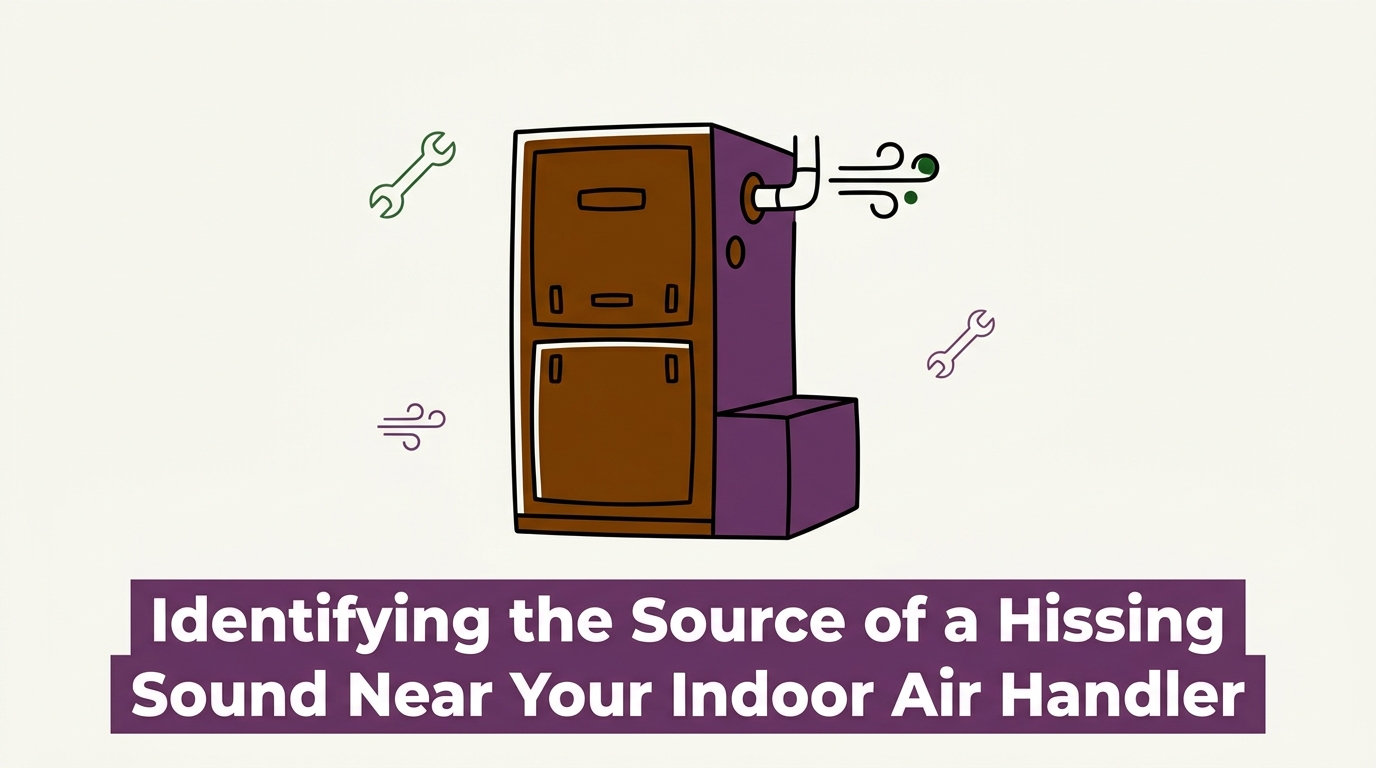
Is That Hissing Sound a Simple Filter Issue or a Hazardous Leak?
Are you suddenly trying to figure out the cause of a strange noise and identifying the source of a hissing sound near your indoor air handler? At Blue Bear Plumbing Heating & Air, we hear from Massachusetts homeowners every summer who are experiencing this exact issue. You are not alone. When a home cooling system starts making unexpected noises, it is completely normal to feel concerned. That distinct hissing or high-pitched whistling usually points to one of two entirely different situations: a highly restrictive air filter that needs a quick swap, or a dangerous leak of high-pressure refrigerant escaping into your home.
Guessing which one you are dealing with is never a safe option when potentially hazardous components are involved. A chemical leak poses physical risks and environmental dangers, while a simple filter issue just wastes energy. Building a baseline understanding of these specific noises helps you know exactly when you can handle a simple maintenance step yourself, and when you need to call for professional HVAC services to resolve the problem safely.
Understanding the Dynamics of Indoor Air Handler Noises
Modern residential HVAC systems are powerful machines that operate under intense physical and chemical pressures. To truly understand why your indoor unit is hissing, you have to look at the two very different types of flow happening inside that metal cabinet. First, there is the physical movement of forced air. Second, there is the closed-loop circulation of chemical refrigerants.
The Dual Pressures Inside Your System
Your blower motor is responsible for pulling warm air from your home, pushing it through the filter rack, forcing it over the indoor evaporator coil, and distributing it back into your rooms. This process relies on static pressure. When everything is balanced, the air flows smoothly and quietly. However, the system also relies on chemical pressure. Inside the copper tubing of the evaporator coil, refrigerant is pumped at varying pressures to absorb heat from the passing air. Distinguishing between these two types of pressure is the first step in decoding other common AC noises.
Airflow vs. Chemical Pressure
During the intense heat of a Massachusetts summer, your system works incredibly hard to maintain these internal pressures. Our technicians often explain to customers that understanding these systems comes down to recognizing how they differ:
| Pressure Type | System Component | Normal Operation Sound | Failure Sound |
|---|---|---|---|
| Static Air Pressure | Blower motor, filter rack, ductwork | Low, steady hum or rush of air | High-pitched whistling or hissing |
| Chemical Pressure | Evaporator coil, copper refrigerant lines | Faint, occasional gurgle during cycles | Aggressive, continuous hiss or bubbling |
By understanding these two distinct pathways, you can better pinpoint where a strange noise is originating and what it means for your equipment.
Airflow Restrictions: When Your Filter Causes a Hissing Noise
In our years of servicing local MA homes, we’ve found that one of the most frequent causes of a hissing or whistling sound near the air handler is an airflow restriction. Homeowners often upgrade to highly restrictive, high-MERV filters to capture more dust and allergens. While these filters clean the air effectively, they can also create severe static pressure imbalances if the system was not designed to handle them.
How Restrictive Filters Disrupt Airflow
When the blower motor ramps up during peak summer cooling demand, it expects a certain volume of air to pull through the return ducts. If a thick, dirty, or overly restrictive filter blocks that path, the motor has to work much harder. Air is essentially lazy; it will always seek the path of least resistance. Instead of flowing evenly through the filter media, the intense suction forces air through tiny gaps around the edges of the filter frame or the blower cabinet door. This high-velocity air bypass creates a distinct, high-pitched whistling or hissing noise.
Steps to Diagnose a Filter-Related Hiss
While an air bypass whistle is not an immediate chemical hazard, it severely reduces cooling efficiency and forces your blower motor to overwork. You can safely check this yourself by following these steps:
- Turn off the system: Always shut down the HVAC unit at the thermostat before opening any panels.
- Locate the filter rack: Find where the return duct meets the indoor air handler.
- Inspect the filter: Pull the filter out and check for a heavy buildup of dust, pet hair, or debris.
- Check the fitment: Look for bent cardboard edges or gaps where air might be slipping past the filter frame.
- Test the sound: If you replace a dirty, restrictive filter with a standard clean one and restart the system, the hissing should immediately stop.
Refrigerant Leaks: The Dangers of Escaping Gas
If you have ruled out the air filter, the hissing sound may be coming from a much more serious source: a refrigerant leak. The indoor evaporator coil consists of tightly wound copper tubing filled with high-pressure refrigerant. When a microscopic crack or pinhole leak develops in this tubing, the pressurized gas escapes rapidly into the surrounding air.
The Acoustic Signature of Escaping Gas
The sound of a chemical leak is noticeably different from an airflow whistle. An air bypass whistle stops the moment the blower motor shuts down. In contrast, escaping high-pressure refrigerant produces a continuous, aggressive hissing or bubbling sound that often persists for several minutes even after the unit cycles off, as the pressure slowly equalizes inside the lines. You might also notice a faintly sweet, chemical odor near the indoor unit.
The Risk of a Frozen Evaporator Coil
Refrigerant lines and coils hold chemicals under extreme pressure, meaning leaks present both physical and environmental hazards. As the gas escapes, the system rapidly loses its ability to absorb heat from your home, leading to abnormal pressure drops inside the coil. Our team has seen firsthand how ignoring a hissing refrigerant leak during a hot, humid Massachusetts July will rapidly cause the indoor evaporator coil to freeze solid. The moisture in the humid air condenses on the super-cooled coil and turns to ice, leading to a complete system shutdown exactly when cooling is needed most.


Immediate Safety Protocols for Hissing HVAC Units
Because guessing is not an option, you need a strict safety-first approach when you suspect a chemical leak. Handling high-pressure refrigerant requires specialized knowledge, EPA-certified professional safety protocols, and calibrated diagnostic equipment.
Why Immediate Shutdown is Necessary
The technical precision required to handle modern HVAC systems is significant. For example, during a recent complex project our Blue Bear technicians completed involving the integration of two new heat pumps with an existing central cooling system, ensuring absolute pressure integrity was paramount to meeting our high operational standards. Just as complex installations require careful handling, your system requires trusted expertise to safely manage chemical pressures when things go wrong. If your unit is hissing due to escaping gas, continuing to run it will quickly destroy the outdoor compressor.
Your Emergency HVAC Checklist
This is where Blue Bear Plumbing Heating & Air’s trusted expertise steps in, quickly and safely diagnosing these issues and arriving fast to mitigate hazards. Until a technician arrives, follow this strict binary decision tree:
- Turn off the thermostat: Immediately switch the system to the “Off” position. Do not just turn down the temperature; shut the system down completely.
- Do not touch the coils: Never touch the indoor evaporator coil or the surrounding copper refrigerant lines. Escaping high-pressure refrigerant can cause severe frostbite or chemical burns upon contact with bare skin.
- Do not attempt to patch the leak: Taping or sealing a pressurized copper line is impossible and highly dangerous without proper recovery equipment.
- Ventilate the area: If the unit is in a small, enclosed utility closet, leave the door open to allow any escaping gas to dissipate safely.
Frequently Asked Questions About Air Handler Hissing
Why is my AC making a hissing noise inside?
A hissing noise near the indoor unit is usually caused by either restricted airflow or escaping gas from the evaporator coil. When air is forced through tiny gaps around a clogged filter, it creates a high-pitched whistle. If the sound is more aggressive and bubbling, it is likely high-pressure refrigerant escaping from a cracked copper line.
Is a hissing air conditioner dangerous?
If the hiss is caused by air bypass around a filter, it is not immediately dangerous but can damage the blower motor over time by forcing it to overwork. If the noise is caused by escaping chemicals, it is a physical and environmental hazard. Refrigerant leaks require immediate professional attention to prevent chemical exposure and severe equipment damage.
Can a dirty air filter cause a whistling sound?
Yes, a dirty or highly restrictive air filter is a very common cause of whistling sounds. As the blower motor works harder to pull air through the system, it forces air through small gaps around the filter housing or cabinet doors. This high-velocity bypass creates a distinct whistle or hiss that stops as soon as the motor turns off.
What does a freon or refrigerant leak sound like?
A refrigerant leak typically sounds like a continuous, pressurized hiss or bubbling noise near the indoor coil. Unlike a filter whistle, this sound may persist for several minutes after the HVAC system shuts down as the internal pressures slowly equalize. You might also notice a faint, sweet chemical smell accompanying the noise.
Will my AC still cool if it is hissing?
If the hissing is just a filter issue, cooling efficiency drops, but the system will still produce some cold air. If it is a chemical leak, the system will quickly lose its ability to cool. As high-pressure refrigerant escapes, the indoor coil will often freeze solid, blocking all airflow and stopping the cooling process entirely.
Should I turn off my AC if it’s hissing?
Yes, as a precaution, turning off the system prevents potential compressor damage and stops hazardous chemicals from circulating if a leak is present. Shutting the unit down at the thermostat is the safest immediate action you can take while you investigate the filter or wait for a professional diagnostic.
Secure Your System with Professional Diagnostics
Hearing a new, unexpected noise from your air handler is stressful, but understanding the source helps you take the right action. While a hissing filter is an easy fix that you can resolve with a quick trip to the hardware store, chemical leaks require immediate, certified intervention. Because modern units rely on high-pressure refrigerant to function, ignoring a leak will always lead to a larger mechanical breakdown.
Our team at Blue Bear Plumbing Heating & Air can quickly identify the exact source of the noise, test your system’s pressure levels, and restore your equipment to safe working order. Schedule a thorough inspection to ensure your system runs safely, quietly, and efficiently during the peak summer cooling season.
Contact Us Today
Routine maintenance is vital for the longevity of your plumbing, heating, and air conditioning systems. Sign up for our Blue Care Maintenance Plan for annual service and exclusive membership benefits, including:
- Priority scheduling
- Waived service fee during normal business hours
- 10% discount on service calls
- 3% discount on new installations
- Two-year parts and labor warranty on new equipment