

Seasonal Home Maintenance Checklist: Preventing Sudden Furnace Repair Needs
general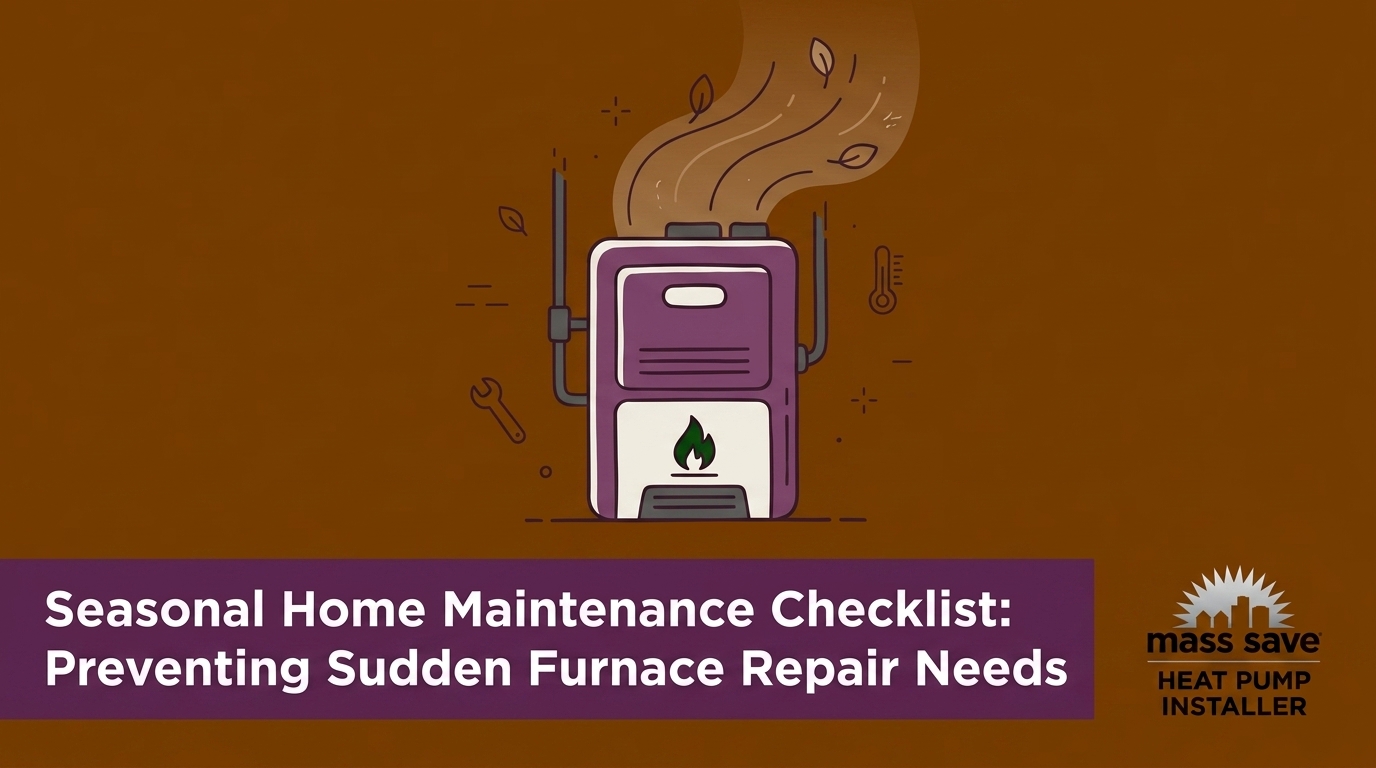
Are Your Home Systems Ready for the Extreme Seasonal Shift?
Are your home systems truly prepared for the rapid drop in temperatures? At Blue Bear Plumbing Heating & Air, our team frequently sees the consequences of skipped preparations. Developing a reliable seasonal home maintenance checklist is the most effective way to protect your property from unexpected mechanical failures. Preparing residential plumbing and HVAC systems for extreme seasonal temperature shifts requires more than just raking leaves or cleaning exterior siding. When the weather changes rapidly, the sudden demand placed on dormant equipment often exposes hidden vulnerabilities that can lead to total system shutdowns.
The primary challenge for homeowners is identifying which seasonal maintenance tasks are critical to perform immediately versus what can wait. Aesthetic home care is important, but mechanical risks carry a much higher cost if ignored. A failing furnace or a vulnerable water line does not give you a warning before it breaks. By focusing on the mechanical realities of your home, you can prioritize the exact steps needed to keep your property safe.
During the peak summer/winter transition, your heating and plumbing infrastructure experiences intense thermal and operational stress. Taking a neutral, risk-based approach to your home maintenance allows you to address these specific stress points. Understanding the mechanical demands of this transition is the first step in shifting from reactive emergency repairs to proactive system protection.
Understanding Mechanical Stress During the Peak Summer/Winter Transition
To prevent sudden breakdowns, you have to understand the underlying causes of system failure when transitioning between seasons. In our experience servicing local homes, we’ve found that dormant heating systems are heavily stressed when they are first activated after months of inactivity. Components that have been sitting idle in a damp basement or a dusty utility closet are suddenly asked to perform at maximum capacity. This initial use often reveals underlying mechanical faults before the most severe cold snaps even hit.
One of the most common issues our technicians encounter during the peak summer/winter transition is restricted airflow. Neglected summer air filters become packed with dust, pet dander, and airborne debris. When you switch your thermostat to heat, that restricted airflow causes the furnace heat exchanger to retain too much thermal energy, leading directly to overheating and short-cycling. Preventative maintenance is the ultimate defense against these peak-season breakdowns, ensuring that minor airflow issues do not escalate into major component failures.
Why Do Furnaces Fail When First Turned On?
Furnace failures at the start of the heating season rarely happen without a mechanical reason. When a heating system attempts its first ignition sequence after a long dormant period, several specific vulnerabilities come into play.
- Dust accumulation on burners and sensors: Over the summer, dust settles on the flame sensor and burner assembly. When the system fires up, this dust can interfere with the electrical current, causing the control board to shut the system down for safety.
- High-limit switches tripping due to poor airflow: If your blower motor cannot push enough air over the heat exchanger due to a clogged filter, the internal temperature spikes. The high-limit switch detects this dangerous heat and cuts the power to prevent a fire hazard.
- Ignition sequence failures: Draft inducer motors can seize, and hot surface igniters can become brittle. After months of inactivity, the mechanical components responsible for safely lighting the gas may simply fail to engage.
| System Component | Summer Dormancy Effect | Winter Activation Risk |
|---|---|---|
| Air Filters | Collects summer dust and allergens | Restricts heating airflow, causing overheating |
| Flame Sensor | Oxidizes and collects airborne particles | Fails to detect flame, shutting down gas valve |
| Blower Motor | Lubricant settles, bearings dry out | High friction leads to motor failure or blown fuses |
The Risk-Based Seasonal Home Maintenance Checklist
Protecting your home requires a highly technical, risk-prioritized checklist. By categorizing checklist items by critical safety and mechanical risk, you can focus your energy where it matters most. While sealing windows and cleaning downspouts are helpful secondary steps to protect HVAC efficiency and prevent exterior water pooling, the mechanical integrity of your heating and plumbing systems must come first.
During the peak summer/winter transition, neglecting specific mechanical items carries immediate consequences. A dirty filter damages the blower motor, while an untested smoke detector leaves your family vulnerable. By executing safe homeowner checks systematically, you build a strong defense against winter emergencies.
Priority 1: Mechanical and Airflow Checks
Airflow is the lifeblood of your HVAC system. Without proper air movement, both efficiency and safety are heavily compromised.
- Inspect and replace all return air filters: Pull out your current filter and hold it up to a light. If you cannot see light passing through the media, it is time for a replacement. Use a filter with a MERV rating appropriate for your system to balance filtration with proper airflow.
- Ensure all supply vents are open: Walk through every room and verify that supply registers are open and unobstructed by furniture, rugs, or curtains. Closing vents in unused rooms actually increases static pressure and damages your blower motor.
- Test the heating cycle: Do not wait for freezing temperatures. Watch for signs it’s time to turn on your heat for a test run. Set the thermostat a few degrees above room temperature and listen for smooth ignition and steady airflow.
Priority 2: Safety and Detection Systems
Combustion appliances require strict safety monitoring. Gas furnaces produce carbon monoxide, and your detection systems must be flawless before heavy use begins.
- Test smoke and carbon monoxide detectors: Press the test button on every unit. Replace the batteries if they are more than six months old, and verify the expiration date on the back of the detectors. Carbon monoxide sensors typically degrade after five to seven years.
- Verify furnace cabinet clearances: Over the summer, utility rooms often become storage areas. Remove all boxes, cleaning supplies, and stored items from around the furnace. Combustible materials must be kept at least three feet away from the unit to prevent fire hazards and ensure the system can pull enough combustion air.

Recognizing When DIY Ends and Professional Intervention Begins
While a homeowner checklist is highly effective for basic maintenance, drawing clear boundaries between DIY tasks and professional requirements is a matter of strict safety. Modern heating systems are complex networks of high-voltage electricity, combustible gases, and sensitive computer boards. Attempting to service gas valves, heat exchangers, or internal electrical components without proper licensing is incredibly dangerous.
A professional tune-up is designed to identify hidden wear and tear that a basic visual inspection will miss. Licensed technicians use specialized tools like combustion analyzers and multimeters to measure exact gas pressure, draft motor amperage, and heat exchanger integrity. These measurements tell the technician exactly how the system is performing compared to factory specifications, allowing them to correct minor deviations before they cause a total breakdown during the peak summer/winter transition.
Beyond the immediate repairs, professional visits provide significant long-term value. For example, when our technicians at Blue Bear Plumbing Heating & Air respond to early-season furnace issues, we don’t just fix the mechanical problem efficiently. We also provide helpful information and specific tips for ongoing system care. This kind of expert guidance helps homeowners understand their specific equipment better, ensuring they know exactly what sounds and behaviors to watch for as the season progresses.
The Domino Effect: Furnace Failure and Frozen Plumbing
It is a common mistake to view a furnace breakdown strictly as a comfort issue. In reality, a heating failure is a critical pipe-freezing hazard. The health of your HVAC system is directly linked to the safety of your plumbing infrastructure. Insurance industry data consistently shows that frozen pipes are a leading cause of winter property damage, and these catastrophic water leaks frequently occur directly following a heating system failure.
The climate plays a massive role in this risk. In our years of protecting local plumbing infrastructure, we know firsthand that Massachusetts winters feature extended periods of sub-freezing temperatures and heavy snow, making rapid heating system recovery a structural safety requirement to prevent burst pipes. When the ambient heat in a home drops, the water resting inside uninsulated or exterior-facing pipes begins to freeze. As water turns to ice, it expands by approximately nine percent. This expansion creates thousands of pounds of hydraulic pressure inside the copper or PEX tubing, eventually causing the pipe to rupture.
During the peak summer/winter transition, you must take preventative plumbing steps to protect your home. Start by winterizing exterior hose bibs. Disconnect all garden hoses; if a hose is left attached, water cannot drain from the spigot, and the trapped water will freeze back into the house. If your home has interior shut-off valves for the outside lines, turn them off and open the outside bleeder valve to drain the remaining water. Insulate any exposed water lines in unheated areas like crawlspaces, garages, or unfinished basements to provide a buffer against rapid temperature drops.
Responding to Critical Heating and Water Emergencies
Even with the most thorough preventative checklist, mechanical systems can still fail under extreme weather conditions. Bridging the gap between preventative checklists and emergency action plans is essential for protecting your property. If your furnace fails or a water heater malfunctions during a severe cold snap, knowing the immediate steps to take will mitigate the damage and keep your family safe.
One of the most critical emergency skills is knowing exactly how to shut off the main water valve to your home. If a pipe bursts or a water heater fails, stopping the flow of water immediately is the only way to prevent extensive structural damage. Locate your main shut-off valve before an emergency happens. It is typically located in the basement, near the water meter, or in a utility closet. Test the valve to ensure it turns smoothly; if it is stuck, have a plumber replace it before the deep freeze arrives.
Having a reliable emergency contact before a holiday or severe storm hits provides immense security. Our team at Blue Bear Plumbing Heating & Air provides rapid, reliable emergency response to ensure homes stay safe and warm during severe cold snaps. When complex, urgent issues arise, fast expert resolution changes everything. In one instance, we helped a homeowner who faced a water heater spraying water all over the basement floor the day before Thanksgiving. Our responding technician diagnosed the problem, clearly explained the available options, and completed the repair the very same day, avoiding prolonged disruption during a major holiday.
Urgent Furnace and Boiler Breakdowns
When your heating system fails during the peak summer/winter transition, how you react matters.
- Do not repeatedly reset a tripping breaker or furnace reset button: These safety mechanisms trip for a reason. Forcing a system to restart repeatedly when it is overheating or experiencing an electrical short will cause severe damage to the control board or blower motor.
- Call for professional diagnostic support immediately: The longer a house sits without heat, the higher the risk to the plumbing system. Professional diagnostics will pinpoint the exact component failure and restore safe operation quickly.
Frequently Asked Questions About Seasonal HVAC and Plumbing Prep
What maintenance is required for a furnace before winter?
The most critical furnace maintenance includes filter replacement, testing the thermostat, and scheduling a professional mechanical inspection. Before heavy use begins, you must ensure airflow is unobstructed by installing a clean, high-quality air filter. Homeowners should also run a brief test cycle to verify the thermostat communicates properly with the control board. Finally, a licensed technician must inspect the heat exchanger, calibrate the gas valve, and test the safety switches to ensure the system can handle the upcoming mechanical stress.
How do I prepare my plumbing for extreme cold?
To protect your plumbing, disconnect exterior hoses, shut off interior valves to outside bibs, and ensure the heating system is reliable. Start by removing any attached garden hoses, which trap water in the spigot and cause freeze damage inside the wall. Insulate exposed pipes in unconditioned spaces like crawlspaces and garages using foam pipe insulation. Most importantly, ensure your furnace is fully operational, as ambient indoor heat is the primary defense against frozen interior pipes.
What are the most critical fall home maintenance tasks?
You should prioritize tasks that prevent mechanical failure and water damage over aesthetic exterior cleaning. While cleaning up the yard is helpful, your immediate focus must be on servicing the HVAC system, testing smoke and carbon monoxide detectors, and winterizing the plumbing. Addressing these high-risk areas during the peak summer/winter transition prevents catastrophic emergencies when temperatures suddenly drop.
When is the best time to schedule furnace maintenance?
The ideal time to schedule furnace maintenance is during the late summer or early fall, before the first significant temperature drop stresses the system. Booking a tune-up early ensures your equipment is mechanically sound before it has to run continuously. It also allows you to secure an appointment before local technicians become overwhelmed with emergency no-heat calls during the first major cold snap.
What happens to my plumbing if my furnace breaks during a freeze?
Without ambient heat, water in uninsulated or exterior-facing pipes can freeze, expand, and rupture the plumbing. As the indoor temperature plummets, the water resting inside the pipes turns to ice, expanding by roughly nine percent. This expansion creates immense hydraulic pressure against closed faucets, eventually causing the pipe to burst and flood the home once the ice thaws.
Prioritize Your Preventative Maintenance Today
Following a clear, technically accurate checklist of seasonal maintenance tasks is the most reliable way to avoid sudden, expensive breakdowns. The mechanical risks of ignoring preventative care are severe, ranging from damaged furnace blower motors to catastrophic water damage from burst pipes. The peak summer/winter transition places immense stress on dormant equipment, and hoping for the best is not a viable strategy. Take control of your home’s safety by replacing your filters, winterizing your plumbing, and addressing minor issues immediately. Schedule a comprehensive professional inspection today to ensure your systems are fully prepared before severe weather arrives.
Contact Us Today
Routine maintenance is vital for the longevity of your plumbing, heating, and air conditioning systems. Sign up for our Blue Care Maintenance Plan for annual service and exclusive membership benefits, including:
- Priority scheduling
- Waived service fee during normal business hours
- 10% discount on service calls
- 3% discount on new installations
- Two-year parts and labor warranty on new equipment