




A Practical Guide to How HVAC Condition Affects Home Appraisals
HVAC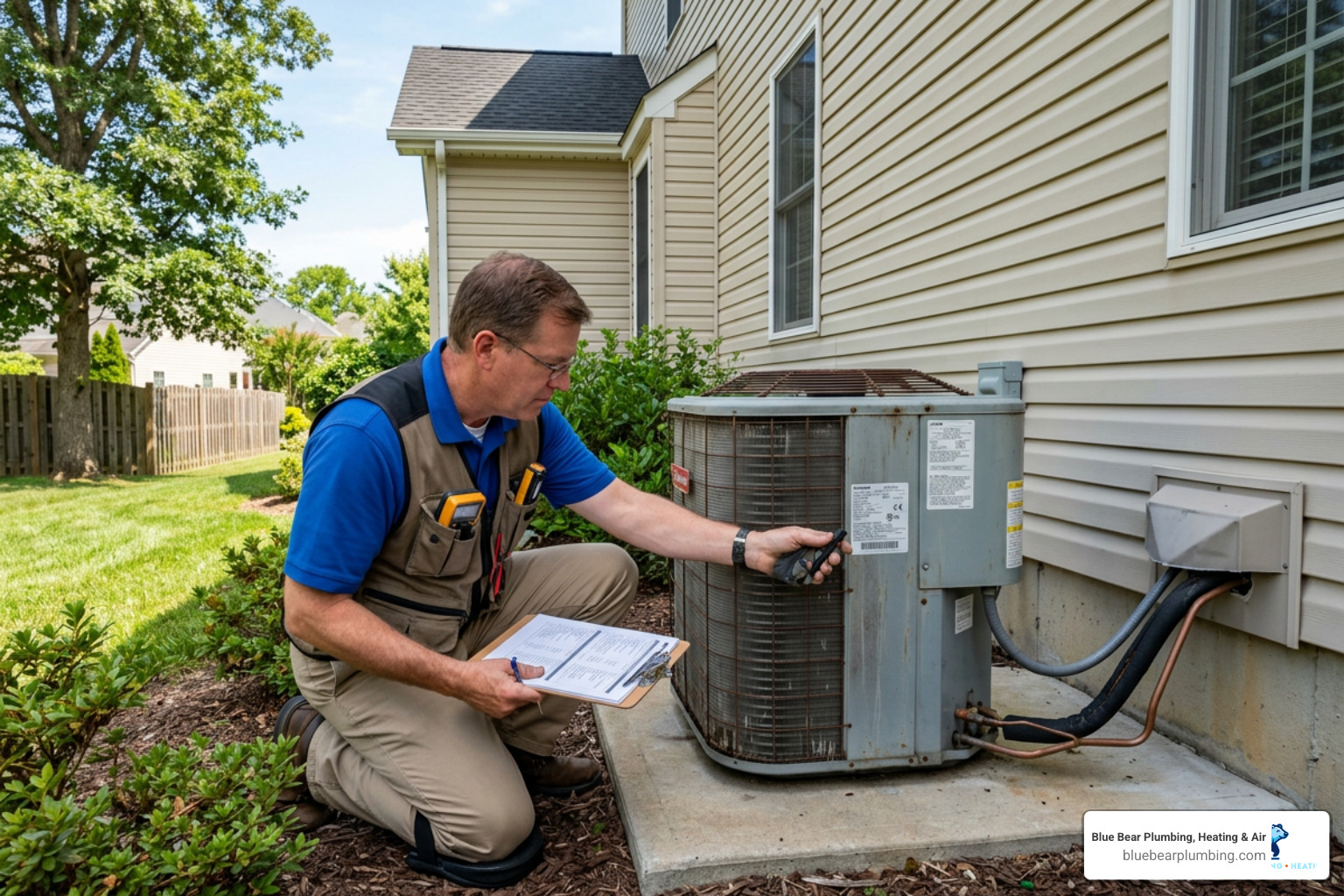
Why Plumbing Condition Affects Home Appraisals Matters for Your Home Value
How plumbing condition affects home appraisals is one of the most important home-system factors owners can prepare for before selling, refinancing, or applying for a home equity line of credit. Appraisers look for signs that a home is safe, functional, well maintained, and free from visible plumbing concerns that could affect habitability or long-term value.
Here is a quick summary of what homeowners should know:
| Plumbing Situation | Likely Appraisal Impact |
|---|---|
| Recently installed water heater with documentation | Positive support for overall property condition |
| Well-maintained plumbing with no visible leaks | Neutral to positive; builds appraiser confidence |
| Aging fixtures, valves, or visible supply lines | May raise questions about deferred maintenance |
| Active leaks, water stains, or damaged piping | Negative impact on condition rating |
| Slow drains or sewer concerns | May prompt additional inspection or repair requests |
| Missing permits for major plumbing work | Can create appraisal or lending concerns |
Appraisers do not perform a full plumbing diagnostic. Instead, they look for visible signs of leaks, water damage, fixture condition, water heater age, drainage performance, and whether major plumbing work appears complete and properly documented. Their judgment helps shape the home’s overall physical condition rating, which directly influences the final appraised value.
This matters for homeowners in Massachusetts because local homes can face a wide range of plumbing stressors. Older housing stock, freezing winter temperatures, coastal moisture, high seasonal use, and finished basements all make plumbing maintenance especially important across Norwell, Natick, Quincy, South Boston, and the South Shore.
The good news is that many appraisal concerns are preventable with regular plumbing maintenance, clear documentation, and timely attention to leaks, drainage issues, water heater concerns, sump pump performance, and aging pipes.
I’m Marc Provenzano, Marketing Manager at Blue Bear Plumbing, and through my work helping Massachusetts homeowners understand how plumbing condition can affect appraisal confidence, I’ve seen how well-maintained systems and organized records can help protect home equity. Let’s walk through what appraisers look for and what you can do before the walkthrough.
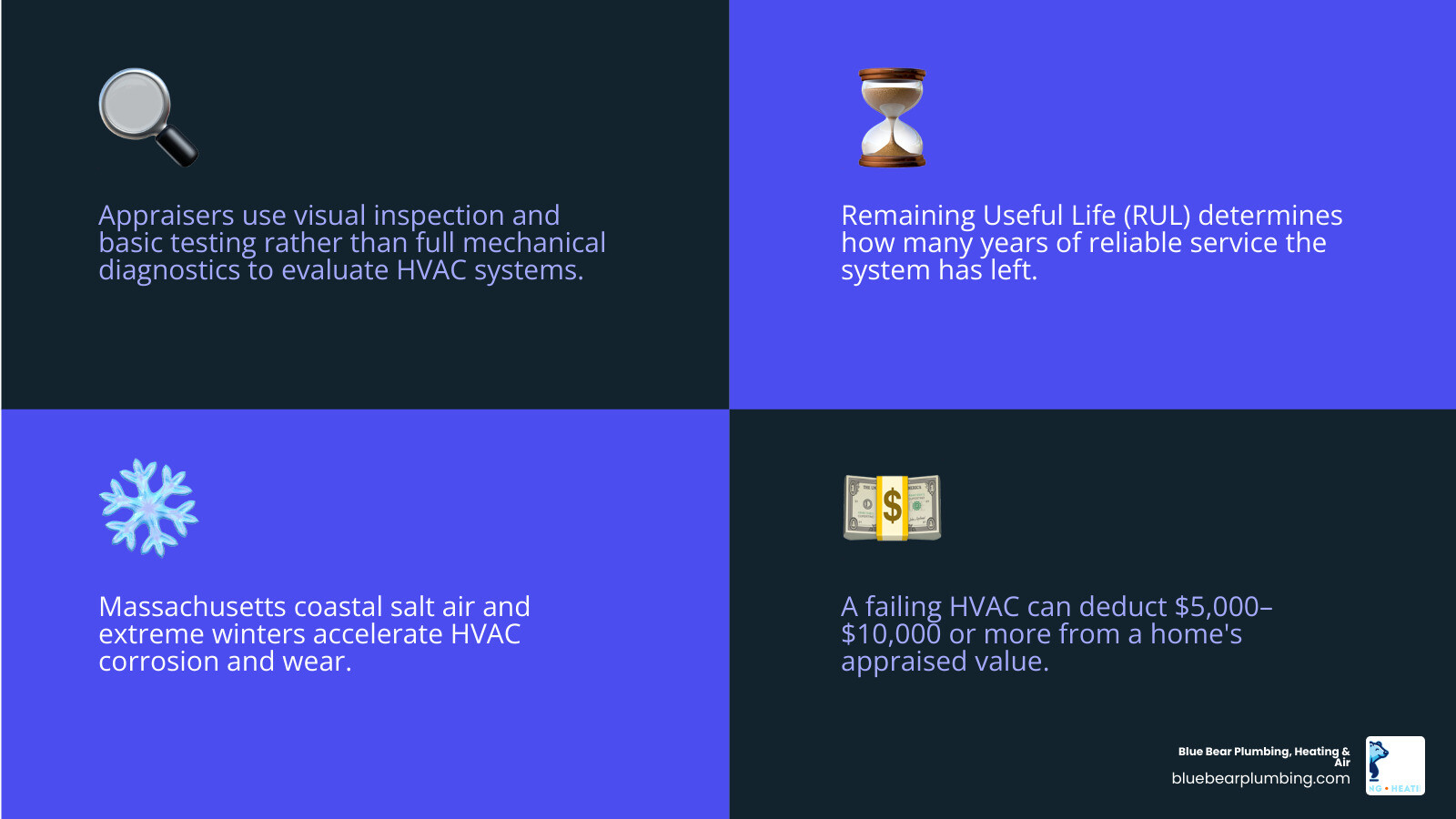
How Appraisers Evaluate Your Plumbing System
When an appraiser walks through your home, plumbing is reviewed as a core functional system along with the roof, foundation, electrical system, and other essential components. A home with visible leaks, stained ceilings, outdated fixtures, poor drainage, or water heater concerns can receive closer scrutiny because these issues may point to deferred maintenance.
Appraisers typically evaluate plumbing using two primary methods:
- Visual Inspection: They look at accessible fixtures, visible pipes, the water heater area, shutoff valves, drains, ceilings, walls, and floors for signs of leaks, corrosion, stains, or prior water damage.
- Basic Functional Checks: They may run faucets, flush toilets, and observe drainage where accessible to confirm that the system appears to function normally during the walkthrough.
During this assessment, the appraiser is not replacing a licensed plumbing inspection. Instead, they are identifying visible conditions that affect the home’s overall condition rating. A clean, dry, well-maintained plumbing system can support the appraiser’s confidence, while obvious leaks or drainage problems can raise concerns.
The distinction between chronological age and effective condition is important. A water heater, fixture, or pipe material may be older but still appear well maintained and functional. On the other hand, a newer installation with poor workmanship, visible leaks, or missing documentation can create concerns.
How plumbing condition affects home appraisals during the walkthrough
During the physical walkthrough, the appraiser may pay attention to common plumbing touchpoints throughout the home. They may notice how quickly sinks and tubs drain, whether toilets flush properly, whether faucets leak, and whether there are visible signs of moisture below sinks or around fixtures.
They may also look at the water heater label, installation area, venting where applicable, drain pan, shutoff valve, and visible supply connections. If the water heater is difficult to access, heavily corroded, leaking, or missing basic safety components, that can affect how the home’s condition is viewed.
Finished basements, laundry rooms, utility rooms, and under-sink cabinets deserve special attention before an appraisal. These areas often reveal the first signs of slow leaks, worn valves, aging supply lines, or moisture damage.
Regional plumbing expectations for Massachusetts homeowners
Appraisers evaluate homes in the context of local market expectations. In Massachusetts, plumbing reliability matters because homes across Norwell, Natick, Quincy, Weymouth, Braintree, Milton, and the South Shore are exposed to cold winters, freeze-thaw cycles, coastal moisture, and heavy seasonal use.
A dependable water heater, properly draining fixtures, functional sump pump where needed, and visible plumbing free from active leaks all support the impression that the home has been responsibly maintained.
In older homes, appraisers may also pay attention to whether plumbing updates appear complete and whether major work has supporting documentation. For homeowners preparing to sell, refinance, or apply for a HELOC, organizing plumbing records before the appointment can make the walkthrough smoother.
The Home Value Impact of Plumbing Condition During Appraisals
How an appraiser views your plumbing can influence the home’s overall condition rating. This impact usually falls into two categories: value protection and value support.
A plumbing system that appears clean, functional, and well maintained helps protect the home’s baseline value. Visible problems, however, can be treated as deferred maintenance. In some cases, drainage concerns, water damage, or incomplete plumbing work can lead to further review by the lender or a request for a licensed plumbing evaluation.
| Plumbing System Status | Appraiser Classification | Impact on Home Appraisal |
|---|---|---|
| Recently documented plumbing updates | Value Support | Supports a stronger overall condition rating. |
| Well-maintained plumbing with no visible leaks | Value Protection | Helps confirm the home meets normal market expectations. |
| Minor visible wear or older fixtures | Potential Deferred Maintenance | May be noted, especially if paired with stains or poor function. |
| Active leaks, water damage, or failing water heater | Deferred Maintenance | Can reduce confidence in the home’s condition and may delay lending review. |
| Drainage or sewer concerns | Functional Concern | May prompt additional inspection or repair requirements. |
Plumbing problems are especially important because they can affect floors, walls, ceilings, cabinetry, basements, and indoor air quality. Even a small visible leak can suggest broader concerns if it appears neglected.
Value adjustments for failing or missing plumbing components
If essential plumbing components are not functioning, the issue can move beyond a simple note in the appraisal. A home generally needs reliable water supply, sanitary drainage, working bathroom fixtures, and a safe water heating system to meet basic habitability expectations.
Government-backed loans, including FHA, VA, and USDA loans, may require plumbing systems to be safe, sanitary, and functional. Visible leaks, unsafe water heater conditions, or plumbing that does not appear to serve the home properly can trigger additional review before financing moves forward.
Sewer and drain issues can also create appraisal concerns. Slow drains, recurring backups, sewer odors, or evidence of basement water intrusion may suggest the need for a professional plumbing evaluation. In homes across Quincy, Natick, Norwell, and nearby South Shore communities, sewer camera inspections and preventative plumbing maintenance can help homeowners understand these concerns before an appraisal.
Plumbing updates that support property valuation
Plumbing improvements can support a stronger appraisal when they are properly completed and documented. Appraisers value clear evidence that essential systems have been maintained or updated.
Helpful plumbing documentation may include:
- Water heater installation records, including tankless water heater records where applicable.
- Permit documentation for major plumbing work.
- Fixture installation records for bathrooms, kitchens, laundry areas, or utility sinks.
- Pipe repair or replacement documentation.
- Sewer camera inspection findings, when available.
- Drain cleaning or preventative plumbing maintenance records.
- Sump pump service or installation documentation for homes with basement water concerns.
These records do not replace the appraiser’s judgment, but they make it easier to understand what work has been completed and how the home has been maintained.
Common Plumbing Red Flags That Lower Appraised Value
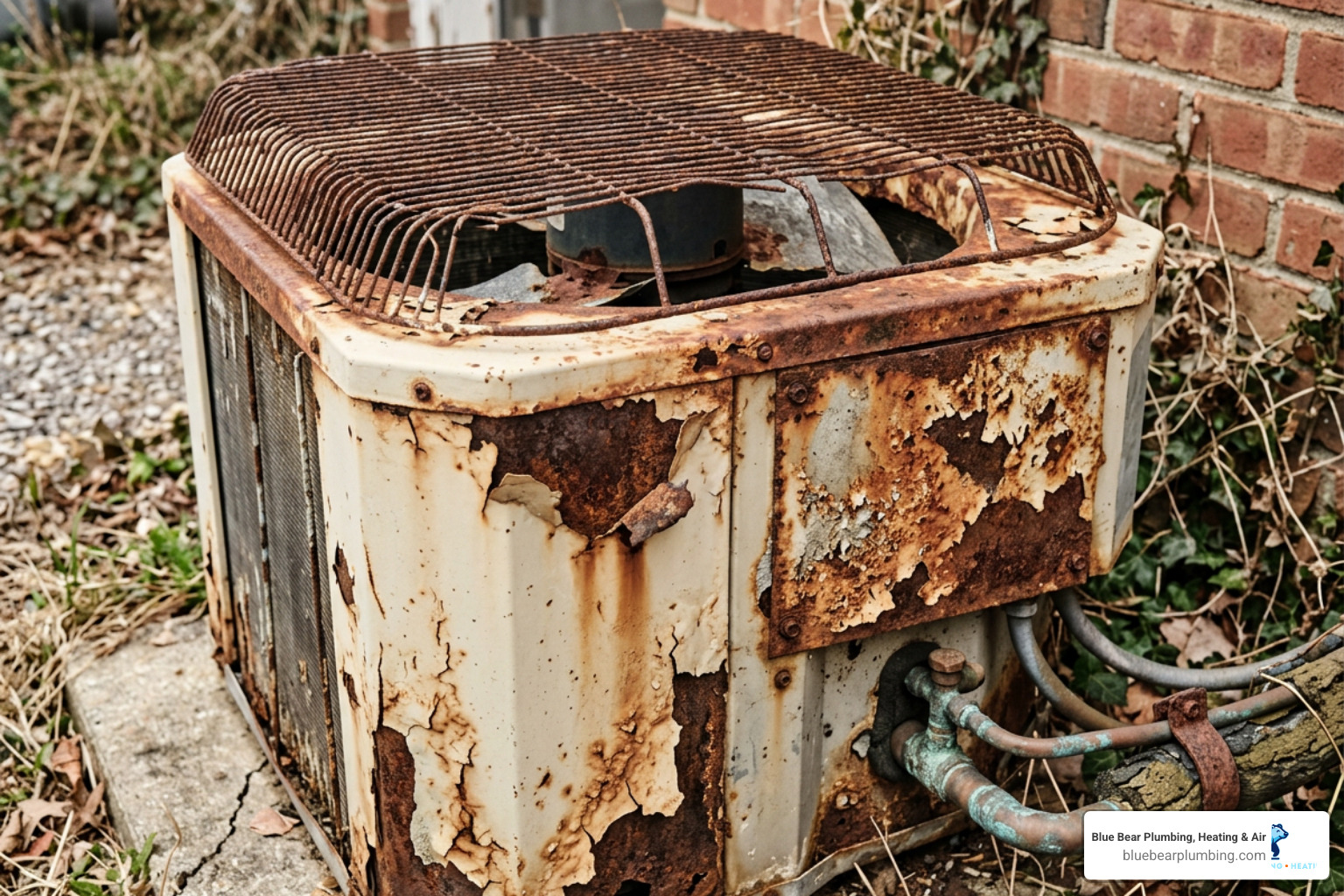
Appraisers are trained to notice visual cues that suggest a home has not been properly maintained. When it comes to plumbing, several red flags can lower confidence in the home’s condition or trigger requests for additional review.
- Active Leaks: Water dripping below sinks, around toilets, near the water heater, or from visible pipes is one of the clearest warning signs during an appraisal.
- Water Stains: Stains on ceilings, walls, cabinet floors, or basement areas may suggest current or past plumbing leaks.
- Corrosion on Pipes or Valves: Corroded shutoff valves, supply lines, or visible piping can indicate aging components or moisture issues.
- Slow Drains: Slow sinks, tubs, or floor drains may point to buildup, pipe restrictions, or sewer line concerns.
- Sewer Odors: Unpleasant drain or sewer smells can raise concerns about traps, venting, or drainage problems.
- Water Heater Concerns: Rust, moisture, poor access, unusual staining, or missing documentation around the water heater can affect appraiser confidence.
- Damaged Fixtures: Loose toilets, dripping faucets, cracked sinks, and worn supply connections can suggest deferred maintenance.
- Basement Moisture: Standing water, sump pump concerns, or signs of repeated water intrusion may be noted during the appraisal.
Ignoring these issues can affect comfort, sanitation, and the way the home’s condition is viewed. Addressing visible plumbing concerns before an appraisal helps present the home as clean, functional, and well cared for.
Preparing Your Plumbing System and Documentation Before the Appraisal
The best way to ensure your plumbing system is treated as an asset rather than a concern is to be proactive. Do not rely on the appraiser to find every detail on their own. Instead, compile a Plumbing Portfolio and keep it available during the walkthrough.
Your Plumbing Portfolio should include:
- Installation Invoices: Showing the installation date, licensed plumbing professional, and equipment or fixtures installed.
- Municipal Permits: Finalized permits for major plumbing work, water heater installation, pipe replacement, sewer work, or bathroom and kitchen plumbing updates.
- Warranty Documentation: Transferable warranty information for water heaters, tankless systems, fixtures, sump pumps, or other plumbing components.
- Service Records: Documentation for drain cleaning, water heater maintenance, sump pump service, sewer camera inspections, pipe repairs, and preventative plumbing maintenance.
- Before-and-After Notes: Clear records of completed repairs can help explain past water stains or previously addressed issues.
Providing this level of proof builds appraiser confidence and makes it easier to understand the home’s maintenance history.
How plumbing condition affects home appraisals during refinancing and HELOC applications
If you are applying for a Home Equity Line of Credit (HELOC) or refinancing your mortgage, your loan-to-value ratio is central to your borrowing power. Lenders use the home appraisal to determine available equity.
In this scenario, plumbing acts as an equity safeguard. If an appraiser flags active leaks, water heater concerns, sewer issues, or visible water damage, the home’s condition rating may be affected. That can influence how the lender views the property.
Preparing your plumbing before the appraiser arrives helps protect your home equity position. For homeowners in Norwell, Natick, Quincy, South Boston, and nearby Massachusetts communities, a pre-appraisal plumbing check can help identify visible issues before they become appraisal concerns.
Pre-appraisal plumbing maintenance checklist for homeowners
Before the appraiser arrives, take these simple steps to help your plumbing make the best possible impression:
- Check Under Every Sink: Look for moisture, stains, loose supply lines, or dripping shutoff valves.
- Test Faucets and Drains: Run water in sinks, tubs, and showers to confirm proper flow and drainage.
- Flush Toilets: Make sure toilets flush fully, do not run continuously, and are secure at the floor.
- Inspect the Water Heater Area: Look for moisture, rust, staining, or loose connections around the unit.
- Review the Basement or Utility Room: Check exposed pipes, floor drains, sump pump areas, and laundry connections.
- Clean Around Plumbing Access Points: Make the water heater, shutoff valves, sump pump, and utility areas easy to view.
- Schedule Professional Plumbing Maintenance: A licensed plumbing technician can inspect visible components, address small concerns, and provide documentation before the appraisal.
If you have recently completed water heater installation, pipe repair, fixture installation, drain cleaning, sewer service, or sump pump work, keep those records ready for review.
Frequently Asked Questions About Plumbing and Appraisals
Will plumbing updates increase my HELOC credit limit?
Plumbing updates do not automatically change a borrowing limit on their own, but they can help protect the value reflected in the appraisal. By addressing visible leaks, drainage concerns, water heater issues, or other deferred maintenance before the walkthrough, you reduce the chance that plumbing concerns will affect the home’s condition rating.
How old does plumbing need to be before it hurts my appraisal?
Age alone is not always the deciding factor. Appraisers focus on visible condition, function, and documentation. Older plumbing that is dry, functional, and well maintained may be viewed more favorably than newer work that appears incomplete, poorly documented, or affected by leaks.
Water heaters, visible supply lines, fixture connections, shutoff valves, sump pumps, and drain performance are all worth reviewing before an appraisal.
Is getting my plumbing checked before an appraisal worth it?
Yes. A professional plumbing maintenance visit before an appraisal can help identify leaks, slow drains, water heater concerns, sump pump issues, and other visible problems. It also gives you documentation that shows the system has been reviewed by an experienced technician.
That documentation can give the appraiser and lender a clearer picture of the home’s maintenance history.
Conclusion
Understanding how plumbing condition affects home appraisals is essential for protecting your home’s equity. Whether you are preparing to sell, refinance, or apply for a HELOC, your plumbing system can play an important role in the final valuation. By addressing visible red flags early, keeping detailed service records, and maintaining your plumbing regularly, you can help prevent avoidable appraisal concerns.
At Blue Bear Plumbing, we are committed to helping homeowners throughout Norwell, Natick, Quincy, South Boston, and the South Shore maintain safe, comfortable, and well-functioning homes. Our friendly local team provides dependable plumbing repair, drain cleaning, sewer services, water heater installation and repair, fixture installation, pipe repair and replacement, sump pump services, sewer camera inspections, and preventative plumbing maintenance with clear communication and reliable workmanship.
If you want to make sure your plumbing system is ready before an appraisal, we are here to help. Contact Blue Bear Plumbing today to schedule your professional plumbing evaluation or routine maintenance visit!



Contact Us Today

Routine maintenance is vital for the longevity of your plumbing, heating, and air conditioning systems. Sign up for our Blue Care Maintenance Plan for annual service and exclusive membership benefits, including:
- Priority scheduling
- Waived service fee during normal business hours
- 10% discount on service calls
- 3% discount on new installations
- Two-year parts and labor warranty on new equipment