

Seasonal Home Maintenance Checklist: Preventing Emergency Furnace Repair
general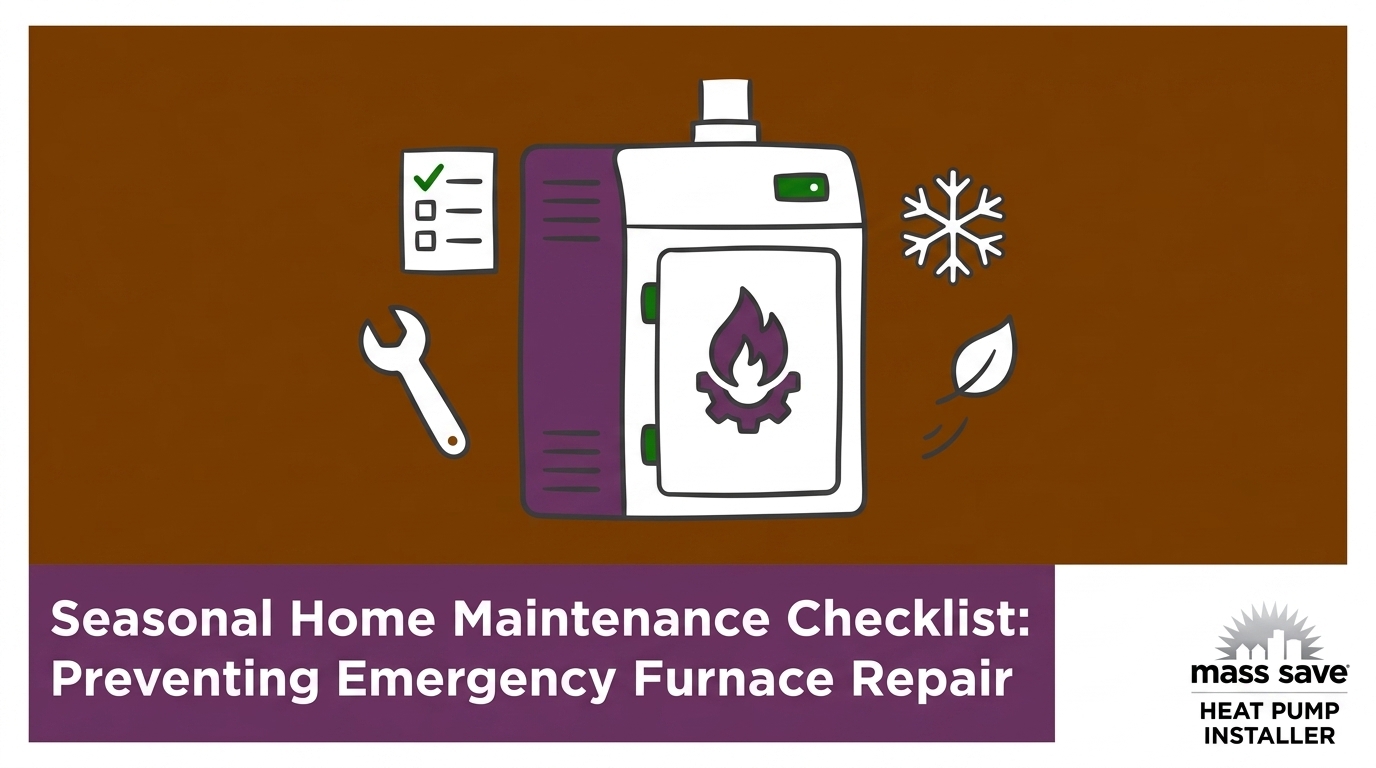
Why the First Fall Freeze Threatens Your Home’s Comfort
Before the first heavy frost settles in, executing a comprehensive seasonal home maintenance checklist is the most effective way to protect your property from sudden heating and plumbing failures. When the weather abruptly shifts from mild autumn afternoons to freezing nights, your home’s infrastructure undergoes immense physical stress. This seasonal temperature transition forces dormant heating systems to immediately run at maximum capacity, exposing any underlying wear and tear that accumulated over the previous winter.
The stakes during this transition are surprisingly high. Heating equipment is a leading cause of home fires during the first major temperature drop of the year. Dust, debris, and pet dander settle on furnace burners, heat exchangers, and electrical components during the months the system sits idle. When the thermostat suddenly calls for heat, these contaminants can ignite or cause the system to short-cycle, leading to unsafe operating conditions and premature breakdowns.
At Blue Bear Plumbing Heating & Air, we often remind homeowners that they face a critical decision point: knowing which maintenance tasks are absolutely essential to perform right now versus which chores can wait. While cleaning the gutters and raking leaves are important for exterior upkeep, prioritizing your home’s internal mechanical systems is what ultimately prevents mid-winter emergencies. By focusing on targeted, failure-prevention tasks before mid-October, you secure your home’s comfort and safety before the bitter cold arrives.
The Physical Impact of Temperature Drops on Home Systems
The problem: Many homeowners assume that a furnace or plumbing system that worked perfectly in March will automatically work perfectly in November. However, this overlooks the severe physical impact that a sudden seasonal temperature transition has on metal, plastic, and mechanical components.
The Mechanics of Thermal Expansion and Contraction
The cause: Every time your heating and plumbing systems experience extreme temperature fluctuations, the materials undergo thermal expansion and contraction. Metal heat exchangers in your furnace expand as they heat up and contract as they cool down. Over multiple seasons, this constant flexing can cause micro-fractures. If a heat exchanger cracks, it can leak dangerous carbon monoxide into your living space. Similarly, the structural integrity of plumbing joints, valves, and seals is tested every time the ambient temperature drops rapidly, weakening connections that may have seemed secure just weeks prior.
The Danger of Freeze-Thaw Cycles in Plumbing
Water expands by roughly nine percent when it freezes. When outside temperatures drop below 20 degrees Fahrenheit, any water resting inside uninsulated pipes is at high risk of freezing solid. This expansion exerts thousands of pounds of pressure per square inch on the pipe walls. Copper, PVC, and PEX piping can all rupture under this stress. The true danger often reveals itself during the thaw; as the ice block melts, the cracked pipe begins releasing gallons of water into basements, crawlspaces, or wall cavities, causing devastating water damage. In our years of serving the local area, our plumbers have seen this exact scenario play out countless times, which is why we emphasize early prevention.
Cascading System Failures
The solution: Understanding these physical realities highlights why proactive intervention is necessary. A compromised HVAC system doesn’t just result in a chilly living room; it creates a cascading effect throughout the home’s infrastructure. If the furnace fails during a deep freeze, the ambient temperature in the home drops, rapidly increasing the risk of frozen indoor plumbing. By addressing the physical vulnerabilities of your equipment through targeted maintenance, you interrupt this chain reaction and stabilize your home’s entire mechanical ecosystem.
Critical Seasonal HVAC & Plumbing Maintenance Tasks
To effectively safeguard your home against the impending cold, you need a precise action plan. The following tasks form the core of a failure-prevention strategy, specifically targeting the components most vulnerable to a sudden seasonal temperature transition.
- Replacing dirty HVAC air filters: This is the single most cost-effective step you can take. A clogged filter restricts airflow, forcing the blower motor to work harder and increasing the risk of the heat exchanger overheating. According to the U.S. Department of Energy, replacing a dirty filter with a clean one can lower your HVAC system’s energy consumption by 5% to 15%.
- Winterizing outdoor hose bibs: Disconnect all garden hoses before the first freeze. If your home has interior shut-off valves for the exterior spigots, close them, then open the outside tap to let any remaining water drain out. This prevents trapped water from freezing and bursting the pipe just inside the foundation wall.
- Insulating exposed plumbing lines: Inspect crawlspaces, basements, and attics for exposed water supply lines. Wrap these vulnerable pipes in high-quality foam insulation sleeves, paying special attention to elbows and joints where heat loss is most rapid.
- Testing smoke and carbon monoxide detectors: Because heating equipment carries an inherent fire and exhaust risk, verifying your safety alarms is non-negotiable. Replace the batteries in all units and press the test buttons to ensure the audible alarms are functioning perfectly before firing up the furnace for the first time.
- Bleeding hot water radiators: If your home utilizes a boiler and radiator system, trapped air can prevent hot water from circulating efficiently. Using a radiator key, open the bleed valve slightly until you hear a hissing sound. Once a steady stream of water appears, close the valve. This ensures even heating across the entire unit.
- Verifying furnace ignition sequences: Turn the thermostat to ‘heat’ and raise the temperature a few degrees. Listen carefully to the furnace. You should hear the inducer motor start, followed by the click of the igniter, and finally a smooth, even ignition of the burners. Any delayed ignition (a loud ‘whoosh’ or bang) requires immediate professional attention.

DIY Upkeep vs. Professional Heating Service
While an engaged homeowner is the first line of defense against system failures, it is crucial to establish clear boundaries between basic upkeep and complex mechanical repairs. Knowing when to put down the tools and call a licensed professional is a vital part of managing any seasonal temperature transition safely.
Safe Homeowner Tasks:
There are several impactful tasks you can and should handle independently. Clearing leaves, branches, and debris away from outdoor heat pump units ensures proper airflow. Swapping out standard 1-inch to 4-inch air filters is a safe, routine task. Adjusting programmable thermostat schedules to accommodate your winter routine is also entirely within the realm of DIY maintenance.
Strict Boundaries for Licensed Work:
Conversely, any task involving internal electrical components, natural gas lines, refrigerant pressures, or combustion chambers must be left strictly to certified technicians. Attempting to clean a delicate flame sensor, adjust gas valve pressures, or repair a failing blower motor can result in severe injury, voided equipment warranties, or catastrophic system damage. Gas leaks and electrical shorts are not areas for trial and error.
| Maintenance Task | DIY or Professional? | Reasoning & Risk Level |
|---|---|---|
| Changing Air Filters | DIY | Safe, simple task that drastically improves airflow and efficiency. |
| Adjusting Gas Pressure | Professional Only | Extreme risk of gas leaks, fire, or carbon monoxide exposure. |
| Clearing Outdoor Debris | DIY | Requires no tools; prevents airflow blockages around heat pumps. |
| Testing Electrical Relays | Professional Only | High risk of electrical shock and permanent damage to circuit boards. |
| Insulating Exposed Pipes | DIY | Accessible and straightforward using hardware store foam tubing. |
The value of professional maintenance extends far beyond simple safety. When a complex whole home HVAC system installation is handled by a certified technician, the equipment is calibrated to a high standard that adds lasting value to the home. That same level of rigorous standard applies to seasonal tune-ups. A professional inspection yields customized care tips, precise efficiency adjustments, and early warnings about failing parts—insights that DIY efforts simply cannot match.
How to Vet Local Furnace Repair Services Before an Emergency
The worst time to search for a heating contractor is at two in the morning when your house is rapidly losing heat. Establishing a relationship with a reliable local service provider before the deep winter sets in ensures that you aren’t left scrambling during a crisis.
1. Research Before the Breakdown:
Start your search while the weather is still mild. Look for established local companies that specialize in rapid diagnostic capabilities. A sudden seasonal temperature transition often causes a surge in service calls across the region. Companies with deep local roots and robust dispatch systems are far more likely to have the capacity to handle your emergency promptly.
2. Verify Credentials and Transparency:
Always confirm that a prospective contractor holds the proper state licenses and carries comprehensive insurance. Trustworthy professionals are fully transparent about their diagnostic processes and will gladly provide their credentials upon request. Red flags to watch out for include contractors who refuse to provide written estimates, those who demand large cash deposits up front, or companies that lack a verifiable physical address in the community.
3. Prioritize Rapid Response and Clear Communication:
When vetting companies, read reviews specifically looking for mentions of communication and speed. For example, our team at Blue Bear Plumbing Heating & Air recently helped a local homeowner who experienced a sudden furnace malfunction during a sharp cold snap. We were able to identify the issue and restore heat much faster because the homeowner had already established a relationship with us and knew exactly who to call. Our technician diagnosed the problem swiftly, explained the options clearly, and executed the repair without delay.
4. Look for Comprehensive Service Offerings:
A company that offers preventative maintenance plans alongside emergency repairs is generally more invested in the long-term health of your equipment. Technicians who take the time to explain the ‘why’ behind a repair—rather than just swapping a part and leaving—demonstrate a commitment to homeowner education and system longevity.
Prioritizing Your Fall Preparation Timeline
The problem: With a long list of winterization tasks, homeowners often feel overwhelmed and end up procrastinating until the first snowstorm is already in the forecast. This reactive approach guarantees that critical vulnerabilities will be missed.
The cause: The overwhelm usually stems from treating all chores equally. Organizing the garage is not on the same urgency level as securing a water pipe against freezing temperatures.
The solution: To successfully navigate the seasonal temperature transition, you must categorize your tasks into two distinct buckets: ‘Critical System Protection’ and ‘Efficiency Optimization’.
Critical System Protection (Complete by Mid-October)
In regions like Massachusetts, where sub-freezing winters are a guarantee, rapid furnace preparation and strict pipe winterization are absolutely non-negotiable. The average first frost dates require these tasks to be completed before the end of October. This means scheduling your professional furnace inspection, draining the outdoor hose bibs, and testing the safety detectors immediately. If you wait until November, you run the risk of pipes freezing during an early cold snap, or finding out your furnace is broken on the exact day you need it most.
Efficiency Optimization (Complete by Late November)
Once the critical protections are in place, you can focus on tasks that lower your utility bills and improve comfort. This includes sealing drafty windows with weatherstripping, adding extra insulation to the attic, reversing the direction of your ceiling fans to push warm air down, and programming your smart thermostat for winter schedules. If you are unsure whether your system is already struggling, it helps to review the signs it’s time to warm up your home so you can catch early warning indicators before they escalate into full system failures.
Secure Your Heating System Before the Cold Sets In
Taking a technically accurate, proactive approach to seasonal maintenance is the single best way to prevent costly and stressful system failures. By understanding how thermal dynamics impact your plumbing and heating equipment, you can prioritize the exact tasks needed to protect your home during a harsh seasonal temperature transition.
The peace of mind that comes from knowing your pipes are insulated and your furnace has been thoroughly vetted is invaluable. If you notice any vulnerabilities while working through this checklist, do not wait for the weather to turn. Relying on local, trusted expertise from a team like Blue Bear Plumbing Heating & Air ensures you receive the rapid response times and accurate diagnostics necessary to secure your home. Schedule your professional inspection today so you can face the winter months with complete confidence.
Frequently Asked Questions
What is the most important winter home maintenance?
The most critical winter maintenance task is ensuring your heating and plumbing systems are protected against freezing temperatures. This includes scheduling a professional furnace inspection, changing air filters, and winterizing all exposed plumbing lines. Addressing these mechanical vulnerabilities prevents catastrophic failures like ruptured pipes or carbon monoxide leaks.
How do I prepare my plumbing for winter?
Start by disconnecting and draining all outdoor garden hoses to prevent ice from backing up into the wall. Next, locate any uninsulated water supply lines in unheated areas like basements, crawlspaces, or attics, and wrap them in foam pipe insulation. Finally, ensure you know the location of your main water shut-off valve in case an emergency rupture does occur.
What HVAC maintenance should be done in the fall?
Fall HVAC maintenance should focus heavily on airflow and combustion safety. You must replace dirty air filters, clear debris away from exterior heat pump units, and ensure all indoor vents are unblocked. Most importantly, have a licensed professional clean the burners, inspect the heat exchanger for cracks, and verify the ignition sequence.
When should I schedule my fall HVAC maintenance?
You should schedule your fall HVAC maintenance in late September or early October, well before the first freezing night. Booking early ensures you secure an appointment before technicians are overwhelmed by emergency calls from homeowners whose dormant systems failed upon first startup.
How can I tell the difference between normal furnace startup noises and a need for repair?
Normal startup noises include a soft click from the thermostat, the hum of the inducer motor, and a gentle whoosh as the burners ignite. However, if you hear loud banging, grinding metal, high-pitched squealing, or a delayed, explosive ignition sound, turn the system off immediately. These indicate severe mechanical issues or dangerous gas buildup that require urgent professional repair.
Contact Us Today
Routine maintenance is vital for the longevity of your plumbing, heating, and air conditioning systems. Sign up for our Blue Care Maintenance Plan for annual service and exclusive membership benefits, including:
- Priority scheduling
- Waived service fee during normal business hours
- 10% discount on service calls
- 3% discount on new installations
- Two-year parts and labor warranty on new equipment