

All About HVAC Failure Emergencies
HVAC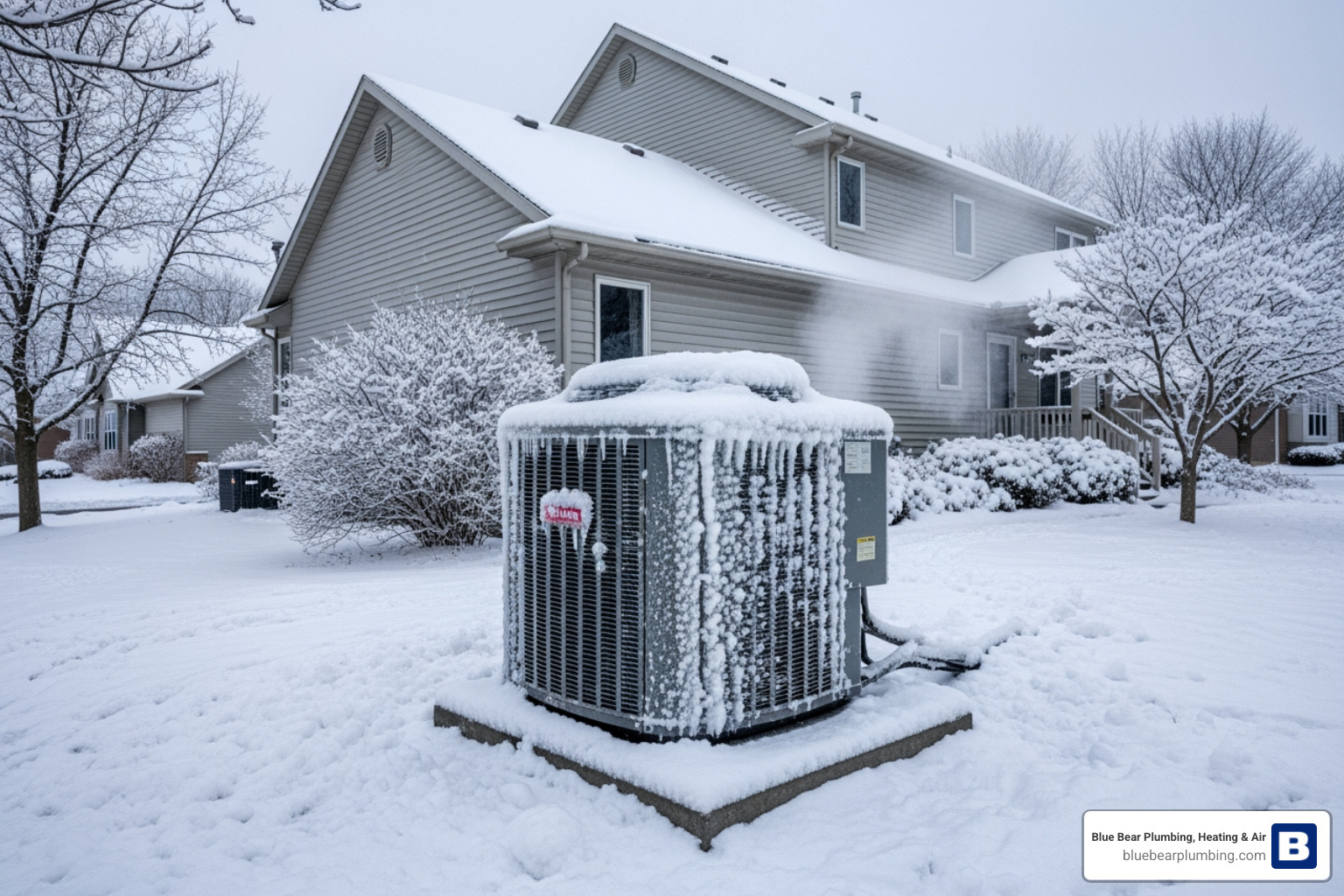
My Heating Went Out and I’m Worried About Frozen Pipes. When is an HVAC Failure a True Emergency in Norwell?
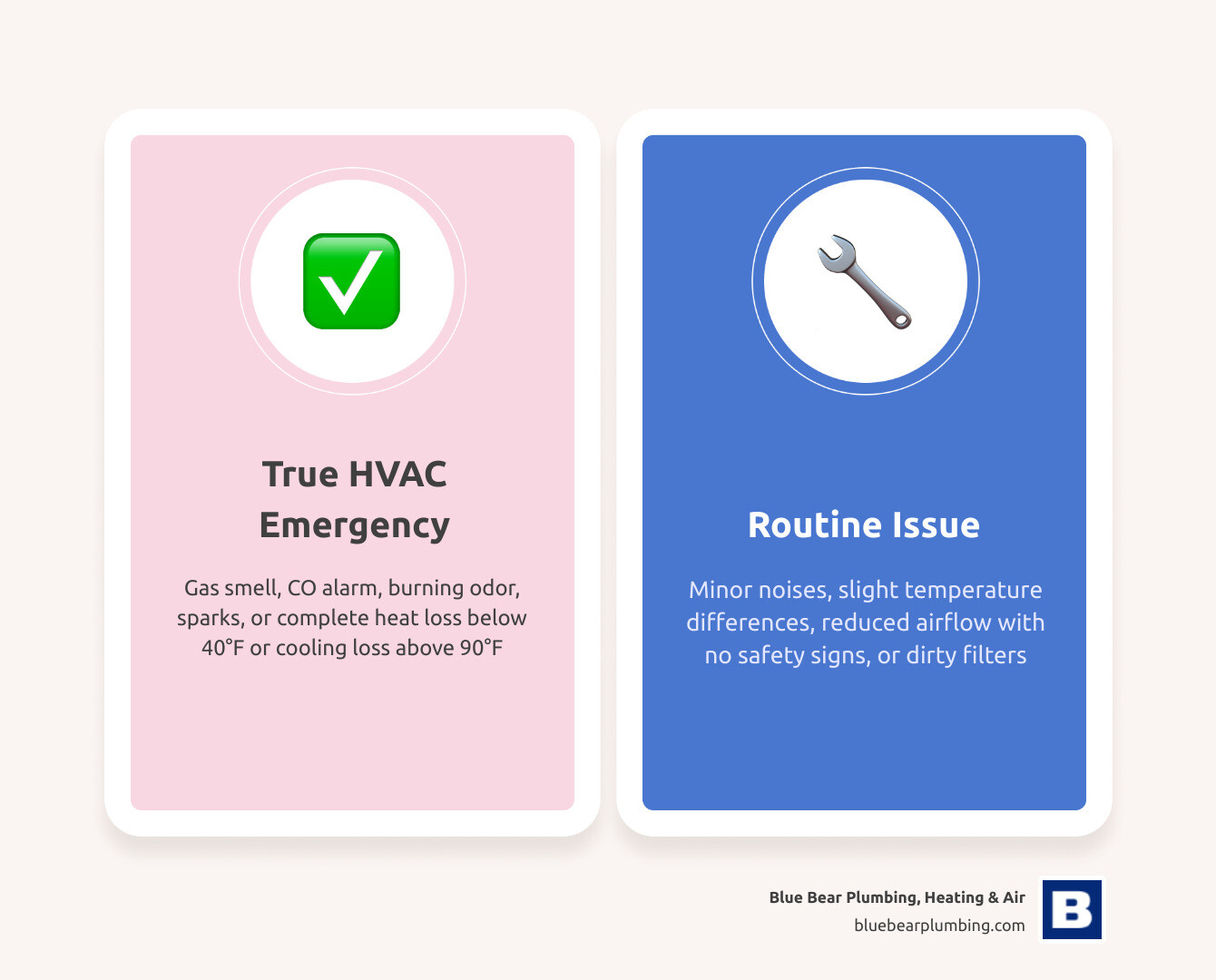
Knowing when an hvac failure is a true emergency—especially when it impacts your home’s plumbing and heating systems—could be the difference between a quick repair and catastrophic property damage. Here’s a quick breakdown of what constitutes a true plumbing and heating emergency:
True Plumbing & Heating Emergencies — Act Immediately:
- Complete boiler or heating failure when outdoor temps are at or below 40°F (high risk of frozen and burst pipes)
- Active water leak from a boiler, water heater, or condensate line causing property damage
- Carbon monoxide detector alarm sounding near your gas-fired boiler or water heater
- Sump pump failure during heavy rain or rapid snowmelt, risking basement flooding
- Complete loss of hot water during freezing weather
Issues That Can Usually Wait for Regular Service:
- Minor dripping from a faucet or fixture
- Slightly slow drains without active backups
- Small temperature fluctuations in your hot water
- Minor boiler noises without any active leaks or heat loss
- Dirty filters causing minor system inefficiency
It’s 10 PM on a Friday. Your heat just stopped working. Outside, it’s 38°F and dropping. Is that an emergency — or can it wait until Monday morning?
For most healthy adults in a well-insulated home, you might have a window of 8 to 12 hours before indoor temperatures become genuinely dangerous. But if you have an infant, an elderly parent, or someone with a medical condition in the house? That window closes fast. More importantly, your home’s plumbing is at immediate risk. Once indoor temperatures drop, the water in your pipes can freeze, expand, and cause devastating pipe bursts.
The truth is, most heating and plumbing problems land somewhere between “annoying” and “urgent.” Only a handful cross into genuine emergency territory — but those few can threaten lives, trigger burst pipes, or cause severe property damage if ignored. Knowing which category your situation falls into matters more than most homeowners realize.
According to safety reports, malfunctioning combustion heating systems like boilers are leading causes of carbon monoxide incidents. Furthermore, research consistently shows that homeowners who skip regular preventative plumbing and heating maintenance are twice as likely to face a full-blown emergency breakdown.
I’m Marc Provenzano, Marketing Manager at Blue Bear Plumbing, Heating & Air, and I’ve spent years helping South Shore MA homeowners understand exactly when an hvac failure is a true emergency — and what to do about it. In this guide, I’ll walk you through every scenario clearly, so you can protect your home’s plumbing and heating systems fast.
Identifying When a Heating or Plumbing Failure is a True Emergency

When your heating or plumbing system fails, your immediate reaction might be a spike in blood pressure. However, we need to separate physical discomfort from active danger. A true emergency is defined by an immediate risk to your health, your safety, or the structural integrity of your home.
To quickly diagnose the severity of your situation, look for critical warning signs across three main categories: boiler hazards, frozen pipe risks, and severe water leaks.
Boiler Failures and Carbon Monoxide Risks
If your home relies on a gas-fired boiler for heating, a system failure can quickly escalate into a life-threatening scenario. An insidious threat associated with malfunctioning combustion systems is carbon monoxide (CO). Because CO is completely colorless, odorless, and tasteless, you cannot detect it with your senses alone. A cracked heat exchanger or damaged flue in your boiler can allow this toxic gas to circulate directly into your living spaces.
If your carbon monoxide detector sounds, or if anyone in your household experiences sudden, unexplained headaches, dizziness, confusion, or nausea, treat it as a life-threatening emergency. Evacuate the property immediately. For a step-by-step safety protocol on handling heating crises, consult our Norwell Emergency Furnace Repair Survival Guide.
Frozen Pipes and Burst Pipe Risks
When your heating system fails during a harsh Massachusetts freeze, your home’s internal temperature can rapidly plummet. This puts your plumbing at extreme risk of freezing. As water freezes inside your pipes, it expands with immense force, causing the pipe walls to split.
Once the ice thaws, water will pour freely into your home, causing catastrophic flooding. If you lose heat when outdoor temperatures are below freezing, this is a major plumbing emergency that requires immediate intervention to prevent burst pipes and protect your property.
Severe Property Damage and Condensate Leaks
An emergency isn’t always invisible; sometimes it’s highly visible in the form of water. High-efficiency heating systems and cooling units pull incredible amounts of moisture out of the air, which drains away through a condensate line.
If that condensate drain line clogs, the backup can overflow the drain pan, spilling water directly into your ceilings, walls, and flooring. Within just 24 to 48 hours, standing water can trigger toxic mold growth and structural rot. If you find yourself facing an active, uncontrollable water leak related to your climate or plumbing systems, read our guide on What to Do in a Plumbing Emergency to protect your property from severe water damage.
Weather Extremes: When a Heating Failure Threatens Your Plumbing
In mild weather—say, a comfortable 72°F afternoon in May—a broken boiler or heating system is nothing more than an inconvenience. You can comfortably wait for regular business hours to schedule a standard repair. However, New England weather is rarely that cooperative. Extreme outdoor temperatures fundamentally change the urgency of a system failure, transforming a mechanical breakdown into an immediate safety and plumbing crisis.
The 40-Degree Threshold: Cold Weather Emergencies
When the outdoor temperature drops to 40°F or below, a complete loss of heating becomes a true emergency. While a home’s thermal mass—its ability to retain heat—can protect you for roughly 8 to 12 hours, the indoor temperature will eventually catch up to the freezing cold outside.
For homeowners in communities like Natick, Norwell, and Quincy, freezing winter nights present two major threats:
- Hypothermia and Cold Exposure: Prolonged exposure to temperatures below 50°F indoors can lead to hypothermia, particularly for vulnerable individuals.
- Frozen and Burst Pipes: Once indoor temperatures drop near freezing, the water standing in your plumbing lines will expand as it turns to ice. This causes pipes to crack, leading to devastating water damage once the system thaws.
If your heating system fails during a winter storm, take immediate action. Check out our comprehensive guide on What to Do If the Heat Goes Out for emergency heat conservation tips. If your home utilizes a modern heat pump system that has iced over or failed on a freezing night, refer to our guide on Natick Emergency Heat Pump Repair for Frozen Nights to restore warmth safely and protect your plumbing.
The 90-Degree Threshold: Extreme Summer Heat
On the other end of the spectrum, extreme summer heat waves present their own set of serious health risks. When outdoor temperatures climb to 90°F or above, combined with high humidity, a broken cooling system can quickly become a major health hazard, especially for vulnerable residents.
High indoor humidity prevents your body from naturally cooling itself through sweat. Within a few hours in an uncooled home during a heatwave, indoor temperatures can easily exceed 95°F, putting residents at risk of heat exhaustion or heat stroke. If your system gives out during a mid-summer heat spike, you shouldn’t have to suffer through a dangerous night. Learn how to get fast, reliable relief by reading about Don’t Sweat It: Emergency Heat Pump Repair Services in Quincy MA.
Vulnerable Households and Legal Habitability Requirements
While temperature thresholds like 40°F and 90°F serve as excellent rules of thumb, they aren’t absolute. The definition of when an hvac failure is a true emergency depends heavily on who lives in the home and the legal regulations governing your property.
Assessing Vulnerable Residents when an hvac failure is a true emergency
In a household of healthy young adults, a cold night or a hot afternoon can often be managed with heavy blankets or portable fans. However, if your household includes vulnerable residents, your emergency threshold should be significantly lower.
- Infants and Toddlers: Young children cannot regulate their body temperatures as effectively as adults. They are highly susceptible to rapid hypothermia in the cold and heat stroke in extreme warmth.
- The Elderly: Older adults often have slower metabolisms and poorer circulation, making them highly vulnerable to extreme temperatures. Additionally, heat waves place immense strain on the cardiovascular system of seniors.
- Medically Fragile Individuals: Those with chronic respiratory conditions rely heavily on stable air filtration and humidity control. High indoor humidity or extreme cold can trigger severe breathing crises. Furthermore, individuals who rely on medical equipment that requires a temperature-controlled environment must have functional climate systems at all times.
If you have vulnerable loved ones in your home, do not hesitate to call for emergency service, even if the outdoor temperatures seem relatively moderate.
Legal Heat Requirements when an hvac failure is a true emergency
If you are a tenant renting a home or apartment in Massachusetts, the law is very clear about your right to a warm, safe living space. Under the Massachusetts State Sanitary Code, landlords are legally obligated to provide functional heating equipment.
Specifically, from September 15 to June 15, heating systems must be capable of heating every habitable room to at least 68°F during the day (7:00 AM to 11:00 PM) and at least 64°F during the night (11:00 PM to 7:00 AM).
If a landlord fails to maintain these temperatures due to an unaddressed furnace or boiler failure, it constitutes a serious habitability violation. If you are experiencing a heating crisis in a rental property, you have the legal right to demand immediate emergency repairs. For detailed advice on navigating boiler failures, refer to Your Norwell Emergency Boiler Repair Survival Guide.
Routine Issues vs. True Emergencies: What Can Wait?
To help you protect your home and avoid unnecessary after-hours calls, it’s highly helpful to distinguish between issues that require an immediate late-night technician and minor inconveniences that can easily wait for regular business hours.
| Scenario / Symptom | Emergency Status | Immediate Action Required | Why It Can (or Can’t) Wait |
|---|---|---|---|
| Boiler leak or rupture | TRUE EMERGENCY | Shut off water main and boiler power; call for emergency service. | High risk of flooding and complete heat loss. |
| Carbon monoxide alarm sounding | TRUE EMERGENCY | Evacuate immediately; call 911. | CO is a silent, odorless killer. |
| Active, heavy water leak flooding ceiling | TRUE EMERGENCY | Shut off water main; call for emergency service. | Causes immediate structural damage and mold. |
| No heat (outdoor temp below 40°F) | TRUE EMERGENCY | Call for emergency service. | Risk of hypothermia and frozen, burst pipes. |
| Clogged condensate drain line overflowing | TRUE EMERGENCY | Shut off system; call for emergency service. | Water damage to ceilings and walls. |
| No hot water from water heater | Urgent (Not Emergency) | Check pilot light/breaker; call for service. | Highly uncomfortable, but not immediately life-threatening unless during extreme cold. |
| Slightly uneven temperatures between rooms | Routine | Schedule standard service. | Typically a minor balancing issue. |
| Slow draining sink or tub | Routine | Schedule standard drain cleaning. | Minor inconvenience; not an immediate emergency. |
| Dripping faucet | Routine | Schedule standard plumbing repair. | Wastes water but does not threaten property safety. |
Frequently Asked Questions About Plumbing and Heating Emergencies
We hear many questions from South Shore homeowners trying to make the right call during a system failure. Here are the answers to the most common questions we receive:
What should I do immediately if my carbon monoxide detector goes off near my boiler?
If your CO detector sounds, treat it as a life-threatening emergency. Do not stop to open windows or try to find the source of the leak.
- Evacuate immediately: Get all family members and pets outside into the fresh air.
- Call 911: Once you are safely away from the house, call emergency services.
- Monitor for symptoms: If anyone experiences headaches, dizziness, nausea, chest pain, or confusion, inform the emergency medical responders immediately.
- Do not re-enter: Stay out of the home until emergency responders have cleared the property and declared it safe.
Can a clogged condensate line cause a true emergency?
Yes, under the right circumstances. While a clogged condensate line starts as a minor mechanical issue, it can quickly escalate into a true property emergency. If the safety switch fails to shut down your system, the continuous flow of water can overflow the drain pan.
This leads to collapsed plaster ceilings, ruined drywall, warped hardwood floors, and rapid mold growth. If you notice water pooling around your indoor unit, shut the system off immediately to prevent further damage. For help resolving severe water backups, see our guide: When Disaster Strikes: Your Guide to Emergency Drain Cleaning in Quincy.
Who should I call first during a heating or plumbing emergency in Natick?
When your heating system fails during a freezing winter night, safety must always come first. If you smell gas or suspect carbon monoxide, your very first call should be to 911 or your local gas utility.
Once your safety is secured, or if your system has simply stopped producing heat without any dangerous smells or sounds, your next step is to contact a licensed, trusted local professional who offers 24/7 emergency repair services. For a direct line to expert local assistance, read our guide on Natick Boiler Emergency: Here Is Who to Call Right Now.
Conclusion
At Blue Bear Plumbing, Heating & Air, we understand that a heating or plumbing failure is incredibly stressful. Whether it’s a freezing winter night in Norwell or a humid, scorching summer afternoon in Quincy, we are committed to keeping your family safe, warm, and comfortable.
While many plumbing and heating issues can safely wait for regular business hours, never ignore the clear warning signs of a true emergency. Boiler leaks, carbon monoxide alarms, frozen pipes, and extreme temperature failures require rapid, professional action.
The best way to avoid these high-stress situations altogether is through regular, preventative plumbing and heating maintenance. Routine tune-ups keep your systems running efficiently and allow our experienced technicians to catch minor wear and tear before it escalates into a midnight breakdown.
If you are facing an urgent comfort crisis or want to schedule your next preventative maintenance visit, our friendly, local team is here to help with exceptional workmanship and reliable solutions. Contact us 24/7 at bluebearplumbing.com to restore safety and comfort to your South Shore home today!
Contact Us Today
Routine maintenance is vital for the longevity of your plumbing, heating, and air conditioning systems. Sign up for our Blue Care Maintenance Plan for annual service and exclusive membership benefits, including:
- Priority scheduling
- Waived service fee during normal business hours
- 10% discount on service calls
- 3% discount on new installations
- Two-year parts and labor warranty on new equipment