




Fresh Air Starts Here: A Spring Filter Replacement Guide
HVAC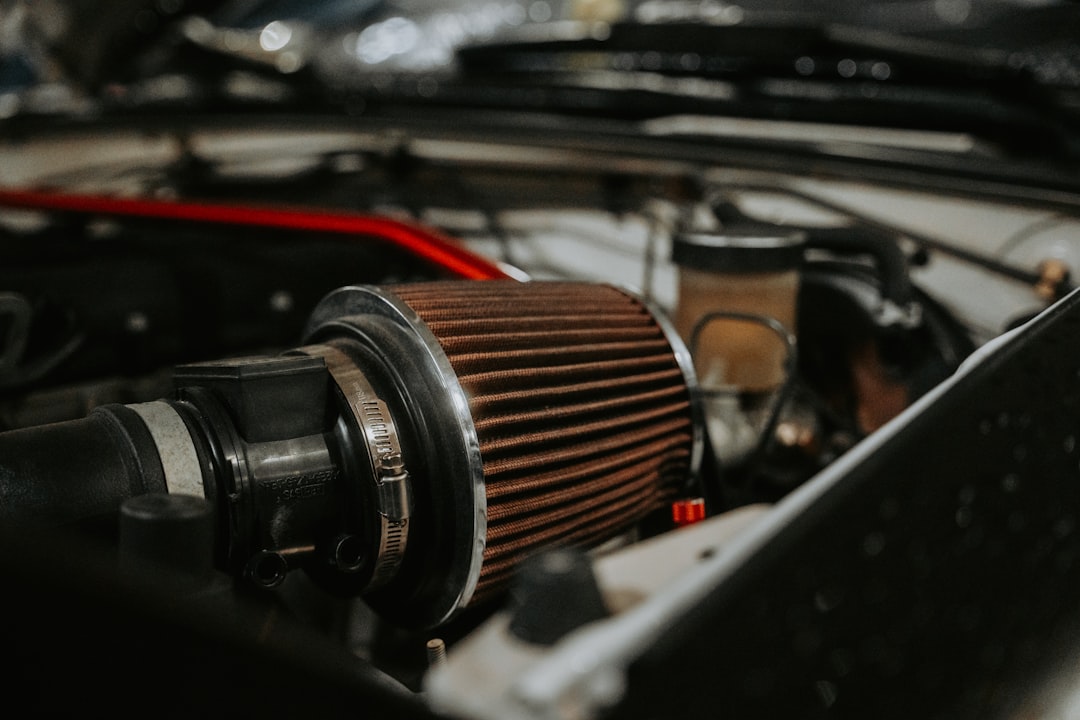
Why Every Homeowner Needs a Spring Air Filter Replacement Guide Right Now
A spring air filter replacement guide is exactly what you need when pollen counts climb, winter dust settles into every corner of your home, and your HVAC system kicks back on for the first time in months. Here’s a quick overview of what you need to know:
Quick Spring Air Filter Replacement Summary:
- Replace home HVAC filters every 30–90 days — every 30 days during peak pollen season if you have pets or allergies
- Check your filter type — non-pleated filters need monthly changes; pleated filters last up to 3 months; 4-inch media filters up to 1 year
- Look for warning signs — visible dust buildup, longer AC run times, allergy flare-ups, or musty odors
- Replace car cabin filters every 12,000–15,000 miles or once a year, ideally each spring
- Choose the right MERV rating — MERV 8–11 works for most homes; MERV 13–14 for allergy sufferers or high-pollen areas
- Always check the airflow arrow — it should point toward the furnace when installing a new filter
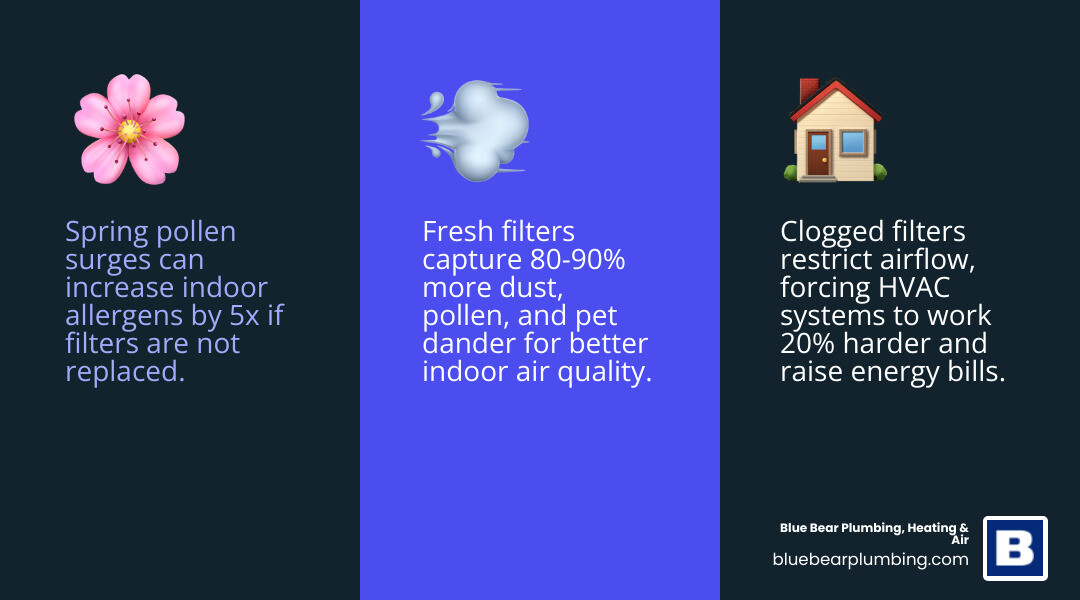
Spring is one of the worst times of year for indoor air quality. Pollen surges outside, dust that built up all winter gets stirred into the air, and your HVAC system starts working overtime — often pushing all of that through a filter that’s already maxed out. A clogged filter doesn’t just mean sneezing more; it means your system has to work harder, your energy bills can creep up, and in serious cases, your HVAC can shut down entirely from restricted airflow.
The good news? Replacing your air filters is one of the simplest and most impactful things you can do for your home this season.
I’m Marc Provenzano, Marketing Manager at Blue Bear Plumbing, Heating & Air, and through my work helping South Shore homeowners understand home comfort and maintenance — including building this spring air filter replacement guide — I’ve seen how something as simple as a fresh filter can make a dramatic difference in air quality and system performance. Let’s walk through everything you need to know to get it done right.
Why Spring is the Best Time for Your spring air filter replacement guide
As we head into April 2026, the transition from winter to spring brings more than just blooming flowers in towns like Braintree and Hingham; it brings a massive surge in airborne particles. Spring is the ideal time to swap out your filters for several critical reasons.
First, there is the pollen surge. After a long Massachusetts winter, trees and grasses begin releasing spores that can easily find their way into your ductwork. If your filter is already laden with post-winter dust—the kind that accumulates while your furnace runs all December and January—it won’t have the capacity to trap new spring allergens. Instead, those particles may simply bypass the filter or be pushed through, circulating through your living room and bedrooms.
Second, a fresh filter is essential for system preparation. As the weather warms up in the South Shore, you’ll soon be switching from “Heat” to “Cool.” Your air conditioner requires high volumes of airflow to keep the evaporator coils from freezing. A dirty filter restricts this airflow, forcing the blower motor to work harder, which spikes your energy bills and shortens the lifespan of your equipment. By following a spring air filter replacement guide, you ensure your system is optimized for energy savings and peak performance before the first summer heatwave hits.

Choosing the Right Filter for Allergens and Efficiency
Not all filters are created equal. When you head to the local hardware store in Natick or Norwell, you’ll see a dizzying array of options. Understanding the terminology is the first step to better indoor air quality.
MERV Ratings Explained
The Minimum Efficiency Reporting Value (MERV) scale ranges from 1 to 16 for residential use.
- MERV 1–4: These are typically basic fiberglass filters. They protect your HVAC equipment from large dust bunnies but do very little for your lungs.
- MERV 8–11: This is the “sweet spot” for most Massachusetts homes. These pleated filters trap pollen, dust mites, and pet dander without overly restricting airflow.
- MERV 13–14: These are high-efficiency filters recommended for households with severe allergy sufferers or pets that shed heavily. They can even trap some bacteria and smoke particles.
Filter Types
- Pleated Filters: These have ridges that increase the surface area, allowing them to trap more debris while maintaining airflow. They generally last up to three months.
- HEPA Filters: High-Efficiency Particulate Air filters are the gold standard, capturing 99.97% of particles. However, many standard residential HVAC systems aren’t powerful enough to pull air through a true HEPA filter, so check your system’s manual first.
- Activated Carbon: These filters include a layer of charcoal to help neutralize odors—perfect if you have indoor pets or a damp basement.
- Non-Pleated (Fiberglass): These are inexpensive but must be replaced every single month.
When purchasing, remember to check the nominal vs. actual size. The size printed on the side of the filter (e.g., 20x20x1) is the “nominal” size. The “actual” size is usually 1/4 to 1/2 inch smaller to ensure it fits into the rack. If you have a ductless system, you’ll need to maintain aircon wall unit filters differently, often by washing them rather than replacing them.
| Filter Type | MERV Rating | Best For | Replacement Frequency |
|---|---|---|---|
| Fiberglass | 1–4 | Basic Equipment Protection | 30 Days |
| Standard Pleated | 8 | General Dust & Pollen | 90 Days |
| High-Efficiency Pleated | 11–13 | Pets & Allergies | 60–90 Days |
| Carbon Filter | 8+ | Smoke & Pet Odors | 60–90 Days |
Step-by-Step Home HVAC Maintenance
Before you dive into the replacement, it’s important to understand where your filters live. In most South Shore homes, you’ll find them in one of three places:
- The Furnace/Air Handler Cabinet: Usually located in a slot where the return duct meets the main unit in your basement or utility closet.
- Return Air Registers: Large grilles on your walls or ceilings.
- Basement/Utility Area: Some systems have a dedicated external filter rack.
Safety should always be your priority. Before touching the filter, turn off the power to your HVAC system at the thermostat or the dedicated service switch (which looks like a light switch) on the side of the furnace. This prevents the system from kicking on while the filter is out, which could suck debris directly into the blower motor.
While you’re at it, spring is a great time to learn how to clean your AC exterior coils to ensure the whole system is ready for work. For a deeper dive into seasonal care, check out our homeowner’s guide to Norwell AC maintenance.
Following a spring air filter replacement guide for Home HVAC
Once the power is off, follow these steps to ensure a perfect swap:
- Remove the Old Filter: Slide it out slowly. If it’s covered in a thick layer of gray or yellow dust, you’ve waited too long! Note the dimensions printed on the frame.
- Inspect and Clean: Use a damp microfiber cloth to wipe away any dust from the filter rack or the edges of the intake. This prevents “blow-by,” where air leaks around the filter.
- Check the Size: If the old filter was sagging or had gaps around the edges, it might have been the wrong size. Measure the actual rack if you’re unsure. You can also master AC maintenance in Natick MA by keeping a photo of the correct filter size on your phone for easy reference at the store.
Correct Installation and Airflow Direction
This is the most common mistake homeowners make. Every air filter has an airflow arrow printed on the side. This arrow must point in the direction the air is moving—which is toward the furnace or blower motor.
Installing a filter backward can cause the material to collapse under pressure, potentially damaging your motor. Once the new filter is snugly in place, secure the door or grille, turn the power back on, and listen for any whistling noises that might indicate an air leak.
If you’re the forgetful type, consider smart filter sensors or subscription services that deliver a fresh filter to your door in Quincy or Weymouth every 90 days. Some high-tech filters even connect to an app to tell you exactly when the pressure drop indicates a replacement is needed.
Refreshing Your Vehicle’s Air Quality
Your home isn’t the only place where you breathe filtered air. Most modern vehicles have two air filters: the engine air filter (which helps your car “breathe”) and the cabin air filter (which keeps the interior air clean).
Replacing a clogged engine filter is a secret performance hack—it can boost acceleration by up to 11% and improve gas mileage by 10%. Meanwhile, a fresh cabin filter ensures you aren’t breathing in exhaust fumes and road salt dust while driving down Route 3.
Signs You Need a spring air filter replacement guide for Your Car
- Musty Odors: If your car smells like a damp basement when you turn on the AC, mold is likely growing on the cabin filter.
- Reduced Airflow: If the vents feel weak even on the highest setting.
- Foggy Windshield: A clogged filter can’t effectively dehumidify the air, leading to persistent fogging.
- Unusual Noises: A whistling or humming sound coming from the dashboard vents.
DIY Car Filter Replacement Steps
For most cars, this is a 15-minute DIY job that requires no tools:
- Access the Housing: Most cabin filters are located behind the glove box. Empty the glove box and release the side stops to let it swing down.
- Open the Cover: Unclip the plastic cover to reveal the filter.
- Note the Orientation: Just like your home HVAC, the car filter has an airflow arrow. Usually, it points downward.
- Clean and Swap: Remove the old filter (which might contain leaves or twigs), wipe the housing, and slide the new one in.
- Reassemble: Snap the cover back on and reattach the dampener arm to the glove box so it doesn’t slam shut.
Frequently Asked Questions about Spring Air Filters
We get a lot of questions from our neighbors in Plymouth and Dedham about filter maintenance. Here are the most common ones we hear during our service calls. If you’re wondering when to get an AC tuned up in Massachusetts, spring is the answer!
How often should I change filters during peak pollen season?
While the standard advice is every 90 days, peak pollen season in Massachusetts (usually late April through June) often requires monthly checks. If you have pets that shed their winter coats or family members with hay fever, change your filter every 30 days during the spring. If you can’t see light through the filter when holding it up to a lamp, it’s done.
Can I clean a disposable air filter to save money?
No. Disposable filters are made of paper or fiberglass that is designed to trap particles deep within the fibers. Attempting to wash or vacuum them can tear the material, rendering them useless, or lead to mold growth if they don’t dry perfectly. Always replace disposable filters. The only filters that should be cleaned are those specifically labeled as “washable” or “reusable.”
What are the most common mistakes to avoid?
- Ignoring the Cabin Filter: Many people remember their home but forget their car, leading to poor driving comfort.
- Backward Installation: As mentioned, always follow the airflow arrow.
- Running Without a Filter: Never run your HVAC system without a filter, even for a few hours. Dust will coat the internal coils and motor, leading to expensive repairs.
- Incorrect Sizing: Using a filter that is too small allows unfiltered air to bypass the system entirely.
For those who want to ensure their system is in top shape, you can always find the best AC maintenance experts Natick has to offer to handle the technical details for you.
Conclusion
A clean air filter is the foundation of a healthy, efficient home. By following this spring air filter replacement guide, you’re protecting your family from allergens, lowering your energy costs, and extending the life of your HVAC system.
At Blue Bear Plumbing, Heating & Air, we’ve spent years serving our local communities from Abington to Woburn with integrity and high-quality workmanship. Whether you’re in Norwell, Natick, or Quincy, our team is here to help with everything from simple filter advice to comprehensive system tune-ups.
Don’t let a dirty filter compromise your comfort this season. If you’ve replaced your filter but your system still feels sluggish, it might be time for a professional look. We invite you to learn more info about high mileage HVAC checkups to keep your system running like new for years to come. Give us a call today, and let’s get your home’s air feeling fresh for spring!


Contact Us Today

Routine maintenance is vital for the longevity of your plumbing, heating, and air conditioning systems. Sign up for our Blue Care Maintenance Plan for annual service and exclusive membership benefits, including:
- Priority scheduling
- Waived service fee during normal business hours
- 10% discount on service calls
- 3% discount on new installations
- Two-year parts and labor warranty on new equipment