




Your Go-To Guide for Water Heater Repair in Quincy, MA
Plumbing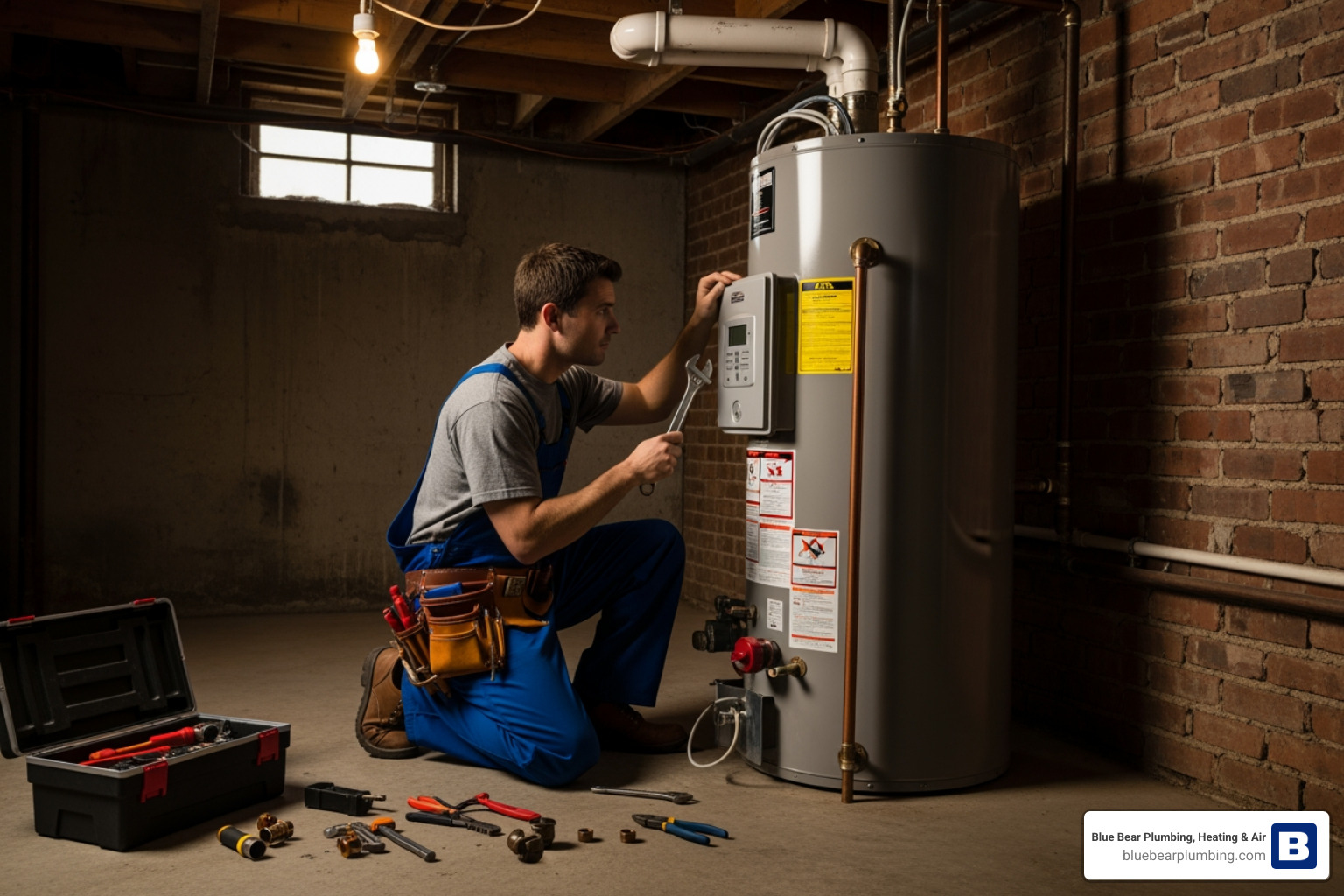
Why Reliable Hot Water Matters for Your Quincy Home
Water heater repair in quincy, ma is essential for maintaining your home’s comfort and daily routines. Whether you’re dealing with cold showers, strange noises, or visible leaks, finding the right repair service quickly can save you time, money, and frustration.
Quick Answer: Top Signs You Need Water Heater Repair
- No hot water or inconsistent water temperature
- Strange rumbling, banging, or hissing sounds
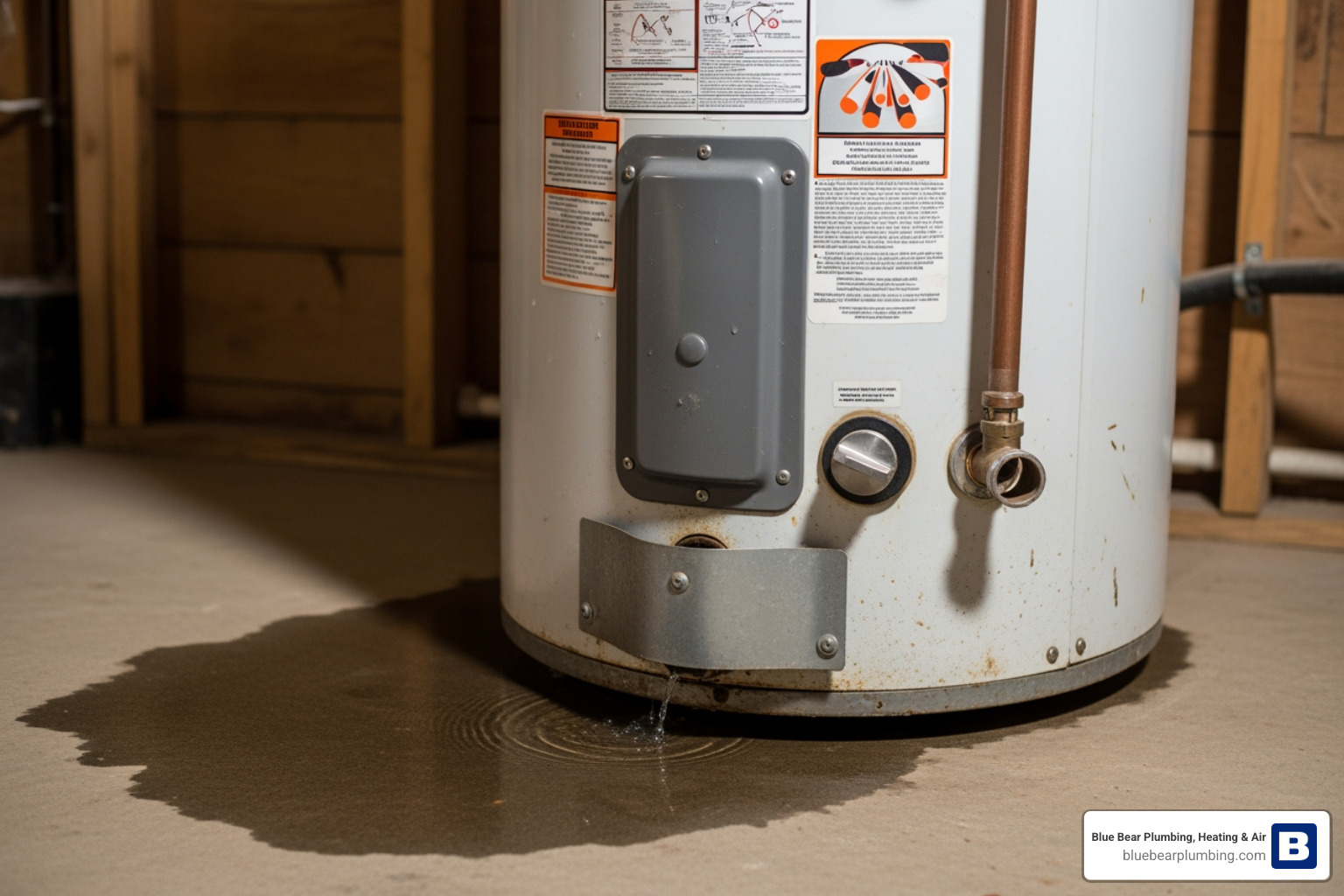
- Visible leaks or puddles around the unit
- Discolored or rusty water from taps
- Unit is 10+ years old and requiring frequent fixes
Your water heater works hard every day to support your family’s needs—from morning showers to washing dishes and laundry. When it fails, your entire household feels the impact. Quincy’s varying seasons, with winter lows often dipping into the 20s, make a functioning water heater even more critical for South Shore residents.
Finding a trustworthy local service for water heater repair in quincy, ma means understanding common problems, knowing when to repair versus replace, and recognizing emergency situations. Professional diagnosis ensures your system runs safely and efficiently, whether you have a traditional tank model or a modern tankless system.
I’m Marc Provenzano, Marketing Manager at Blue Bear Plumbing, Heating & Air, where I work alongside experienced technicians who handle water heater repair in quincy, ma every day. Through our team’s expertise and community focus, I’ve learned what homeowners need to know when their hot water systems fail.
For comprehensive solutions to all your hot water needs, explore our guide on All About Water Heaters: Types, Parts, and How They Work. If you need immediate assistance, our Water Heaters team is ready to help.
Common Signs Your Water Heater Needs Attention
Nobody likes a cold shower, especially on a chilly Quincy morning! Recognizing the early warning signs that your water heater is struggling can prevent a minor issue from becoming a major headache. Our technicians often see a range of indicators that tell us a water heater needs some TLC.
One of the most obvious, and often frustrating, signs is a complete lack of hot water or, almost as bad, inconsistent water temperature. You might start your shower nice and warm, only for it to turn icy cold a few minutes later. This can indicate a faulty heating element in electric models, a pilot light issue in gas models, or a malfunctioning thermostat that isn’t regulating temperature correctly.
Another common complaint we hear from homeowners in Quincy is about low water pressure from their hot water tap. If your shower suddenly feels like a trickle when you’re trying to rinse off, it could be a sign of sediment buildup inside your water heater’s tank, restricting water flow. This can also be linked to other plumbing issues, which you can learn more about in our blog on Diagnosing and Dealing with Low Water Pressure.
Perhaps the most unsettling signs are the strange noises emanating from your unit. Water heaters aren’t known for their musical talents, so if you hear rumbling, banging, hissing, or popping sounds, it’s a clear cry for help. These noises are often caused by sediment accumulating at the bottom of the tank. As the heating element attempts to heat the water, it has to work harder through this layer of sediment, causing the water to boil and create these unsettling sounds. Hissing might indicate a leak or a pressure issue.
Of course, the most undeniable sign of trouble is visible leaks and puddles around the base of your water heater. Even a small leak can quickly lead to significant water damage if left unaddressed. Leaks can stem from various sources, including loose connections, a faulty pressure relief valve, or cracks in the tank itself. If you spot moisture, don’t delay – call in the professionals.
Finally, discolored or rusty water coming from your taps, especially hot water, is a strong indicator of internal corrosion within your water heater’s tank. This means the anode rod, which protects the tank from rust, may have deteriorated, or the tank itself is rusting from the inside out. This is a serious sign that often points towards the need for replacement.
For a deeper dive into these issues, check out our comprehensive guide on Symptoms of a Failing Water Heater.
Signs of a Potential Safety Issue
While many water heater problems are inconvenient, some can pose significant safety risks to your Quincy home and family. It’s crucial to recognize these critical indicators and act immediately:
- Rotten Egg Smell (Sulfur): If you detect a rotten egg or sulfur-like odor near your gas water heater, it could indicate a gas leak. Natural gas is odorless, but utility companies add a distinct smell for safety. A gas leak is extremely dangerous and requires immediate action. Turn off your gas supply if safe to do so, evacuate your home, and call the gas company and emergency services from a safe distance.
- Malfunctioning TPR Valve: The Temperature and Pressure Relief (TPR) valve is a critical safety component designed to release excess pressure and temperature from the tank, preventing explosions. If you notice water consistently dripping from this valve, or if it appears corroded or stuck, it might be malfunctioning. A blocked or faulty TPR valve can lead to dangerous pressure buildup.
- Overheating: If your water heater is producing excessively hot water, far beyond its normal setting, it could be a sign of a thermostat malfunction. Overheating can damage the unit, increase energy consumption, and pose a scalding risk.
- Visible Corrosion on Tank: While some minor external rust can be cosmetic, significant or widespread corrosion on the water heater’s tank, especially at the top or bottom connections, can indicate structural failure and a potential leak or burst tank. This is particularly concerning if the corrosion is accompanied by bulging or cracking.
If you observe any of these safety issues, do not attempt to fix them yourself. Immediately shut off the power or gas supply to the unit (if it’s safe to do so) and contact us for emergency water heater repair in Quincy, MA.
Understanding Water Heater Types and Maintenance
Water heaters come in various shapes and sizes, each designed to meet different household needs and preferences. In Quincy, MA, our team at Blue Bear Plumbing, Heating & Air services and installs a wide array of water heater types. This includes traditional tank units, often powered by gas or electricity, as well as more modern tankless systems, which can also run on gas or electricity, and even hybrid models. Understanding the basics of these systems, their power sources, and proper maintenance is key to ensuring a reliable supply of hot water for your home.
When choosing or maintaining a water heater, factors like energy efficiency, your household size, and your typical water usage patterns are incredibly important. For example, a larger family with high hot water demand might benefit from a different system than a smaller household. Gas water heaters often have lower operating costs because they use existing gas lines, while electric water heaters are more efficient in terms of ventilation requirements and can be easier to install in certain locations. We cover all the ins and outs in our detailed guide, All About Water Heaters: Types, Parts, and How They Work.
Tank vs. Tankless Water Heaters
The choice between a traditional tank water heater and a tankless model is one of the biggest decisions homeowners face. Each has distinct advantages, and the “best” option truly depends on your specific needs in Quincy.
| Feature | Traditional Tank Water Heater | Tankless Water Heater |
|---|---|---|
| Lifespan | 7-10 years (conventional), 10-15 years (overall average) | 20+ years (significantly longer) |
| Energy Use | Heats and stores water constantly, leading to standby energy loss | Heats water on-demand, uses up to 35% less energy |
| Hot Water Supply | Limited by tank size; can run out of hot water during peak usage | Endless supply of hot water on-demand |
| Upfront Investment | Lower initial cost and simpler installation | Higher upfront cost, more complex installation |
| Space | Requires significant floor space | Compact, wall-mounted, space-saving design |
Traditional Tank Water Heaters: These are the most common type, storing and heating a large volume of water (typically 20 to 120 gallons) in a tank. They are often chosen for their lower upfront cost and ease of installation. If you’re replacing an existing tank unit, the process is generally straightforward and less expensive. However, they continuously heat water, even when you’re not using it, which can lead to standby energy loss and higher utility bills. They also have a limited supply of hot water, meaning you can run out if multiple people are showering or appliances are running simultaneously.
Tankless Water Heaters: These innovative systems heat water only when you need it, providing an endless supply of hot water on demand. This “on-demand” feature eliminates the risk of running out of hot water, which is a huge benefit for larger families or homes with multiple bathrooms. Tankless units are incredibly energy-efficient, using up to 35% less energy than traditional models because they don’t have to maintain a large tank of hot water 24/7. They also boast a significantly longer lifespan (20+ years) and a compact, wall-mounted design, freeing up valuable floor space. While the initial investment is higher, the long-term energy savings and extended lifespan can make them a smart and sustainable choice for many Quincy homeowners. You can explore more about these benefits in our article on Tankless Water Heater Benefits.
The Importance of Regular Maintenance
Just like your car or any other major appliance, your water heater needs regular maintenance to function optimally and last longer. Neglecting maintenance can lead to decreased efficiency, unexpected breakdowns, and even safety hazards.
We recommend scheduling professional water heater maintenance at least once a year. What does that typically involve?
- Annual Inspections: A technician will thoroughly inspect the unit for any signs of wear, corrosion, leaks, or potential safety issues.
- Tank Flushing: This is crucial for traditional tank models. Over time, hard water minerals can accumulate as sediment at the bottom of the tank. Flushing the tank periodically removes this buildup, which not only improves efficiency but also prevents those rumbling noises and prolongs the tank’s life.
- Anode Rod Inspection and Replacement: The anode rod is often called the “sacrificial rod” because it corrodes instead of your tank, protecting it from rust. During maintenance, we inspect its condition and recommend replacement if it’s significantly deteriorated.
- Pressure Relief Valve Check: We test the TPR valve to ensure it’s operating correctly and can release pressure if needed, a vital safety check.
Regular maintenance helps prolong the lifespan of your water heater by catching small problems before they escalate. It ensures your unit operates at peak efficiency, saving you money on energy bills, and helps you avoid those inconvenient, and often costly, emergency repairs. Think of it as a preventative health check for your hot water system! For a broader understanding of home plumbing care, our guide on What is Plumbing Maintenance? offers great insights. And don’t forget our Seasonal Plumbing & HVAC Maintenance Checklist for South Shore Residences for year-round tips!
Your Guide to Water Heater Repair in Quincy, MA
When your hot water supply falters, you need reliable water heater repair in Quincy, MA. Our team at Blue Bear Plumbing, Heating & Air is here to provide expert service, whether it’s a quick fix or a full replacement. We understand that a malfunctioning water heater can disrupt your entire household, which is why we focus on practical, efficient solutions custom to your home.
One of the most common dilemmas homeowners face is deciding whether to repair their existing unit or invest in a new one. This decision isn’t always straightforward and depends on several factors, including the unit’s age, the frequency and cost of repairs, and its energy efficiency. We’re here to offer honest guidance to help you make the most cost-effective choice for your family. For more on this, check out Hot Water Happy Home: Finding the Best Water Heater Replacement in Quincy, MA.
Deciding Between Repair and Replacement
So, your water heater is acting up. Do you repair it, or is it time for a shiny new model? Here’s how we help Quincy homeowners weigh their options:
- Age of the Unit: The average lifespan of a water heater is typically 10-15 years. Traditional tank water heaters, in particular, often last only 7-10 years. If your unit is approaching or has exceeded this age range, and it’s experiencing significant issues, replacement often makes more sense than pouring money into repairs. For units over ten years old, replacement is typically recommended to avoid emergency issues and benefit from newer, more efficient models.
- Frequency of Repairs: If you’re calling for repairs every few months, the cumulative cost can quickly add up and even surpass the cost of a new unit. Frequent breakdowns are a strong indicator that your water heater is nearing the end of its life.
- Energy Efficiency: Older water heaters are simply not as energy-efficient as newer models. If your unit is old, even if it’s still “working,” it could be costing you a lot in wasted energy. Upgrading to a modern, energy-efficient model, especially a tankless or heat pump water heater, can lead to significant savings on your utility bills over time. Heat pump water heaters, for instance, can be twice as efficient as conventional tank-type water heaters.
- Cost-Effectiveness: We’ll help you compare the estimated cost of the repair against the cost of a new installation, taking into account potential energy savings from a more efficient unit. Sometimes, a repair might seem cheaper upfront, but a new unit offers better long-term value and peace of mind.
We provide an honest assessment of your water heater’s condition and help you understand the pros and cons of both repair and replacement. Our goal is to ensure you have a reliable and efficient hot water system for years to come. When replacement is the best option, you can explore our Water Heater Replacement services.
The Value of Professional Water Heater Repair in Quincy, MA
While some homeowners might consider a DIY approach to minor water heater issues, the complexities and potential safety risks involved make professional water heater repair in Quincy, MA invaluable. Here’s why choosing a licensed and experienced team like ours is always the best decision:
- Safety Compliance: Water heaters involve electricity, natural gas, or propane, and high-pressure water. Working with these elements without proper training can be extremely dangerous, leading to electrical shocks, gas leaks, fires, or even explosions. Our technicians are highly trained to handle these systems safely.
- Adherence to Local Codes: Plumbing and heating installations, especially in areas like Quincy, MA, are subject to strict local building codes and safety standards. Professional installers are intimately familiar with these regulations, ensuring your repair or installation is compliant and passes any necessary inspections. Attempting a DIY repair that doesn’t meet code can lead to fines, voided warranties, and even safety hazards. For insights into local regulations, see our blog on Common Boston, MA Plumbing Code Violations You Should Know.
- Proper Diagnosis: A professional can quickly and accurately diagnose the root cause of your water heater problem. What might seem like a simple issue could be a symptom of a larger underlying problem. Our technicians have the tools and expertise to identify complex issues, from faulty thermostats and heating elements to problems with pilot lights, thermocouples, or TPR valves.
- Ensuring Longevity and Efficiency: Correct repairs and installations ensure your water heater operates at peak efficiency and achieves its maximum lifespan. Professional work minimizes the risk of future breakdowns and optimizes energy consumption, saving you money in the long run.
- Warranty Protection: Most manufacturers’ warranties require professional installation and service to remain valid. DIY repairs could void your warranty, leaving you responsible for costly future repairs or replacements.
- Peace of Mind: Knowing that your water heater has been expertly repaired or installed by a licensed and insured professional provides unparalleled peace of mind. You can trust that your system is safe, efficient, and reliable.
Our team is not only committed to high-quality workmanship but also to attentive customer care and integrity. We provide upfront pricing and reliable solutions, ensuring a stress-free experience for our Quincy neighbors.
What to Do in a Water Heater Emergency
A water heater emergency can be startling, but knowing what to do can minimize damage and keep your family safe. Whether it’s a leaking tank, a complete loss of hot water during a cold snap, or a suspicious smell, acting quickly is key.
Here’s what you should do in case of a water heater emergency:
- Shut Off the Water Supply: If your water heater is leaking, the absolute first step is to stop the flow of water to prevent further damage. Locate the cold water shut-off valve, usually on the pipe leading into the top of your water heater, and turn it clockwise until it’s completely closed. If you can’t find this valve or it’s stuck, you might need to shut off the main water supply to your entire house.
- Shut Off Power or Gas:
- For Electric Water Heaters: Go to your home’s electrical panel (breaker box) and locate the breaker labeled for your water heater. Flip it to the “off” position.
- For Gas Water Heaters: Find the gas shut-off valve on the gas line leading to the unit. It’s usually a small lever or knob. Turn it perpendicular to the gas line to stop the gas flow. If you smell gas, evacuate your home immediately and call your gas company and emergency services from a safe location. Do NOT use any electrical switches or phones inside the house if you suspect a gas leak.
- Drain the Tank (if applicable and safe): If you have a significant leak and the unit is still full, you might want to drain the tank to prevent more water damage. Attach a garden hose to the drain valve at the bottom of the water heater and direct the other end to a floor drain or outside. Open the drain valve and a hot water faucet in your house to allow air in and help the water drain faster. Be cautious, as the water can be very hot.
- Call a Professional: Once you’ve taken these initial safety steps, it’s time to call us. We offer emergency services for water heater leaks, complete loss of hot water, or unusual noises indicating potential safety issues. Our team is equipped to diagnose and repair all types of water heater systems, including traditional tank units, tankless systems, and hybrid models, powered by gas, electric, or propane. We understand the urgency and strive to offer same-day service to minimize disruption to your Quincy home.
For more comprehensive guidance on handling plumbing emergencies, refer to our detailed article on What to Do in a Plumbing Emergency. We’re here to restore your hot water and peace of mind swiftly and safely.
Frequently Asked Questions about Water Heater Services
Homeowners in Quincy, MA often have questions about their water heaters, from maintenance schedules to installation choices. Here are some of the most common inquiries we receive, answered by our experts.
How often should a water heater be maintained?
We generally recommend that your water heater undergo professional maintenance at least once a year. This annual service is crucial for identifying potential issues like sediment buildup, anode rod deterioration, or leaks before they become significant problems. During maintenance, our technicians will typically flush the tank (for traditional models) to remove sediment, inspect the anode rod, check the temperature and pressure relief (TPR) valve, and examine all connections and components. Regular maintenance maximizes your water heater’s efficiency, helps extend its lifespan, and prevents unexpected breakdowns, especially critical during Quincy’s colder months.
What are the main benefits of professional water heater installation versus DIY?
While the idea of a DIY project can be tempting, professional water heater installation offers significant benefits that far outweigh the perceived savings of doing it yourself. Our licensed and experienced technicians ensure:
- Safety Compliance: Water heaters involve complex connections to gas lines, electrical systems, and water supply. Professional installation guarantees that all these connections are made safely and correctly, minimizing risks of gas leaks, electrical hazards, or water damage.
- Adherence to Local Quincy Codes: Our team is well-versed in all local Quincy, MA plumbing and building codes. Professional installation ensures your system meets all regulatory requirements, preventing potential fines, safety issues, and problems with future home inspections.
- Correct Connections and Optimal Performance: We ensure your new water heater is properly sized for your home and installed according to manufacturer specifications, leading to optimal performance and energy efficiency. Incorrect installation can lead to reduced efficiency, shorter lifespan, and frequent repairs.
- Warranty Protection: Most water heater manufacturers require professional installation for their warranties to remain valid. DIY installation can void your warranty, leaving you responsible for any future repair costs.
- Peace of Mind: With professional installation, you have the assurance that the job was done right the first time by qualified experts, providing you with reliable hot water and peace of mind for years to come.
What should I consider when choosing a new water heater?
Choosing the right water heater for your Quincy home involves several key considerations to ensure it meets your family’s needs efficiently and cost-effectively:
- Household Size and Peak Hot Water Demand: How many people live in your home? Do you often run the dishwasher, washing machine, and multiple showers simultaneously? This will help determine the appropriate tank size (for traditional models) or flow rate (for tankless units) you need.
- Fuel Type (Gas/Electric): Consider the energy source available in your home. Gas water heaters often have lower operating costs if you already have a gas line, while electric models are generally easier to install in more locations since they don’t have the same ventilation requirements. Propane options are also available.
- Energy Efficiency Ratings: Look for models with high Energy Factor (EF) ratings or Energy Star certification. More efficient models, such as tankless or heat pump water heaters, can significantly reduce your energy bills over the long term, even if they have a higher upfront cost.
- Available Space: Traditional tank water heaters require a dedicated space for the tank, which can be quite large (tanks vary from 20 to 120 gallons). Tankless models are much more compact and can be mounted on a wall, freeing up valuable floor space.
- Budget: While initial cost is a factor, also consider the long-term operating costs and potential energy savings when making your decision.
Our team can help you analyze your specific needs and recommend the best water heater type and model for your home, ensuring you make an informed choice.
Your Trusted Partner for Water Heater Solutions in Quincy
Ensuring a consistent and reliable supply of hot water is fundamental to the comfort and functionality of your Quincy home. From recognizing the subtle rumblings of an aging unit to addressing an urgent leak, understanding the signs and knowing who to call for expert assistance is paramount. We’ve explored the common indicators that your water heater needs attention, the crucial differences between tank and tankless systems, and the undeniable importance of regular maintenance in prolonging your unit’s life and efficiency.
When it comes to water heater repair in Quincy, MA, deciding between repair and replacement is a significant decision that factors in age, repair frequency, and energy savings. We believe in providing honest guidance, empowering you to make the choice that’s best for your family and your budget. The value of professional service cannot be overstated – it ensures safety, compliance with local codes, optimal performance, and ultimately, your peace of mind.
At Blue Bear Plumbing, Heating & Air, we are more than just service providers; we are your friendly, local team committed to high-quality workmanship, attentive customer care, and integrity. We’re here to be your trusted partner for all your water heater needs, offering reliable solutions and transparent communication every step of the way.
For reliable and expert service for your Water Heaters, contact our team today. Let us help you keep the hot water flowing in your Quincy home!

Contact Us Today

Routine maintenance is vital for the longevity of your plumbing, heating, and air conditioning systems. Sign up for our Blue Care Maintenance Plan for annual service and exclusive membership benefits, including:
- Priority scheduling
- Waived service fee during normal business hours
- 10% discount on service calls
- 3% discount on new installations
- Two-year parts and labor warranty on new equipment