




How Standard Plumbing Practices Prevent Costly Water Damage in Boston
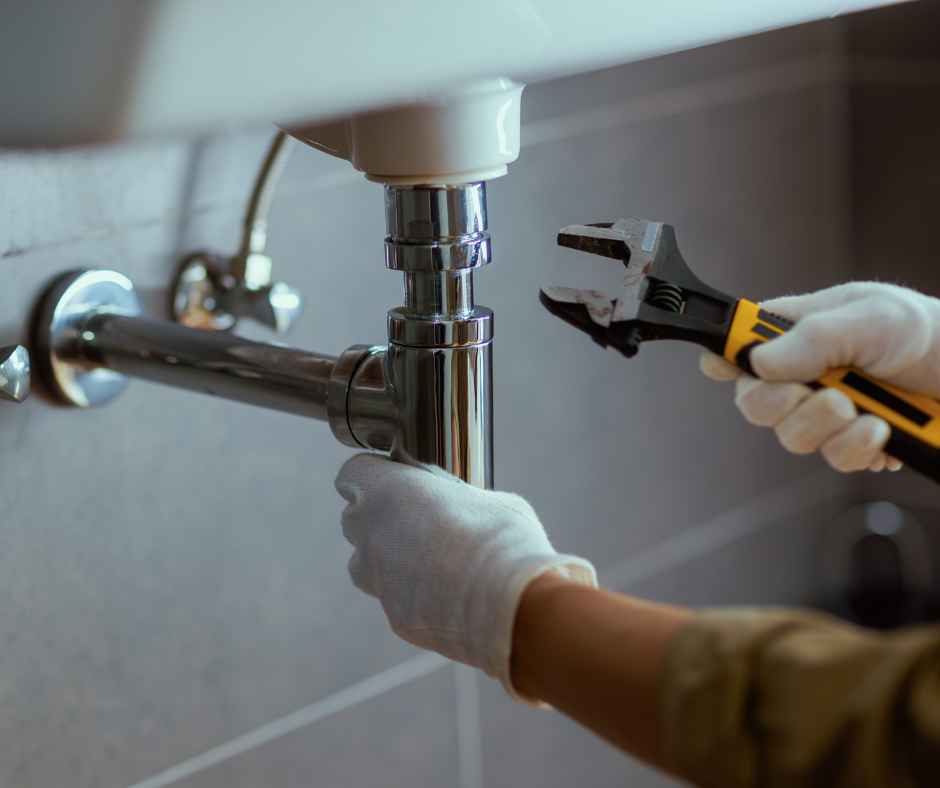
Water damage is one of the most expensive and disruptive problems Boston homeowners face, and the root cause is often preventable plumbing issues. When a home relies on standard plumbing practices that meet local codes and follow proven professional methods, the risk of leaks, hidden moisture, and fixture failures drops significantly. Boston’s mix of historic homes, harsh winters, and aging infrastructure makes proactive plumbing care especially important for avoiding costly damage and unexpected repairs.
In this blog, we will explore how standard plumbing practices protect your home, reduce long-term repair costs, and strengthen the reliability of your plumbing system throughout every season in Boston. By understanding how inspections, upgrades, routine maintenance, and proper installation all contribute to preventing water damage, homeowners can make better decisions and protect their property year-round.
Why Water Damage Is a Major Risk in Boston Homes
Boston homes face a higher risk of water damage compared to many other cities because the local climate and housing characteristics create ideal conditions for leaks and plumbing failures. The region’s cold winters place stress on pipes, fixtures, and joints. When temperatures drop quickly, older or poorly insulated pipes can freeze, expand, and burst. Even a small crack can release hundreds of gallons of water in a short amount of time.
Many Boston neighborhoods also feature historic or aging homes with plumbing systems that have been in place for decades. Standard plumbing materials from older construction often wear down and corrode, creating hidden weaknesses behind walls and under floors. These weaknesses can turn into major leaks without any warning. Seasonal thaw cycles, high groundwater levels, and coastal humidity can also increase the likelihood of moisture intrusion and mold growth.
Other common sources of water damage include outdated fixtures, deteriorating seals, worn shutoff valves, clogged drains, and aging water heaters. When these issues go undetected, they can cause structural damage, ruin flooring, and create expensive restoration needs. Standard plumbing practices focus on identifying these risks early and correcting them before they have a chance to cause costly harm.
Standard Professional Plumbing Inspections That Prevent Damage
Standard plumbing inspections play a major role in preventing water damage in Boston homes because they reveal small issues before they turn into expensive repairs. A licensed plumber evaluates the entire plumbing system to ensure it meets safety standards and operates reliably in Boston’s changing climate.
During a standard plumbing inspection, a professional typically checks:
- Pipe condition, including corrosion, wear, and aging materials
- Water pressure levels that may stress fixtures or pipes
- Shutoff valves that may fail during emergencies
- Faucets, toilets, and fixtures for leaks or weak seals
- Drainage lines for slow flow or partial blockages
- Water heater performance and safety
- Compliance with Boston plumbing code requirements
These inspections also include leak detection using tools that identify moisture, temperature changes, or pressure variations behind walls or under floors. This helps prevent mold, structural damage, and long-term deterioration.
Routine inspections are especially valuable in older Boston homes where hidden plumbing issues are more common. By uncovering problems early, homeowners can avoid major water damage and reduce the need for emergency repairs.
The Role of High Quality Fixtures and Proper Installation
High-quality plumbing fixtures play an essential role in preventing water damage in Boston homes. When fixtures are made from durable materials and installed correctly, they provide long-lasting performance and a lower risk of leaks, cracks, or sudden failures. Standard plumbing practices focus on selecting reliable components that can withstand seasonal temperature shifts and high daily use.
One of the most common sources of avoidable water damage is poorly installed or low-quality fixtures. Inexpensive faucets, valves, and connectors may fail under pressure or corrode more quickly in older Boston properties. Professional plumbers ensure that every fixture meets current performance standards and is properly sealed, secured, and tested before use.
Proper installation includes:
- Confirming fixtures meet Boston code requirements
- Ensuring all seals and connections are tight and watertight
- Using high-quality connectors and shutoff valves
- Checking for early signs of manufacturing defects
- Testing flow rates and water pressure after installation
When fixtures are installed by a licensed professional, homeowners gain peace of mind knowing the system is reliable and less likely to leak. Combining high-quality materials with skilled installation significantly reduces the chance of water damage and extends the lifespan of the entire plumbing system.
Boston Plumbing Codes and Why Compliance Matters
Boston plumbing codes are designed to protect homeowners from unsafe or unreliable plumbing systems. These codes outline specific standards for pipe sizing, fixture installation, drainage requirements, venting, and overall system design. When plumbers follow these guidelines, they help ensure that every part of the system operates safely and efficiently.
Compliance with Boston plumbing codes is a core part of standard plumbing practices. It reduces the risk of water damage by ensuring that pipes are properly supported, fixtures are installed correctly, and drainage systems can handle the demands of daily use. Code-compliant work is especially important in Boston, where older homes may have outdated plumbing that no longer meets modern safety or performance standards.
Key benefits of plumbing code compliance include:
- Reduced risk of leaks due to proper pipe sizing and connections
- Better drainage performance that helps prevent backups
- Improved safety through reliable venting and water heater installations
- Fewer long-term repairs from improperly installed components
- Increased property value with documented professional work
When homeowners hire a licensed plumber who understands Boston’s specific requirements, they gain confidence that their plumbing system is built to prevent water damage and maintain long-term reliability.
How Regular Drain Cleaning Prevents Backups and Interior Flooding
Regular drain cleaning is one of the most effective standard plumbing practices for preventing water damage in Boston homes. Clogged or slow-moving drains can create pressure in the system, leading to backups, leaks, and interior flooding. Because Boston homes often deal with aging pipes and seasonal temperature changes, drain cleaning becomes even more important to maintain safe water flow.
Common causes of clogged drains include:
- Grease buildup in kitchen lines
- Soap residue and hair in bathroom drains
- Tree-root intrusion in older sewer lines
- Mineral buildup from hard water
- Foreign objects or debris lodged in the pipe
When these issues are not addressed early, they can cause wastewater to back up into sinks, tubs, or basements. Routine cleaning helps maintain proper flow and reduces stress on pipes, which lowers the chance of cracks or hidden leaks developing over time.
Professional drain cleaning also involves inspecting the interior of the pipes using specialized cameras. This helps plumbers identify early signs of deterioration, partial blockages, or root growth that could eventually lead to major water damage. By integrating drain cleaning into standard plumbing maintenance, homeowners can protect their property from disruptive and costly flooding.
Benefits of Smart Plumbing Technology in Preventing Water Damage
Smart plumbing technology has become an important part of standard plumbing practices because it gives homeowners real-time insight into their system and helps prevent costly water damage. These devices monitor water flow, detect leaks, and alert homeowners the moment something appears unusual. In a city like Boston, where older plumbing systems are common, smart technology adds an extra layer of protection.
Smart technology that helps prevent water damage includes:
- Smart leak detectors that identify drips or moisture immediately
- Automatic shut-off valves that stop water flow when a leak is detected
- Water-use monitors that track abnormal consumption patterns
- Smart sump pumps that alert homeowners to rising water levels
- Temperature sensors that help prevent frozen-pipe bursts
These tools reduce the risk of unnoticed leaks and provide early warnings when parts of the system need attention. Since many leaks start behind walls or in basements, real-time alerts allow homeowners to act before damage becomes widespread.
Smart plumbing upgrades are especially beneficial for older Boston homes, where pipes can deteriorate faster due to age and seasonal temperature swings. Integrating smart devices into a standard plumbing system strengthens overall protection and helps homeowners avoid emergency repairs.
Seasonal Plumbing Maintenance for Boston’s Climate
Seasonal plumbing maintenance is essential in Boston because the climate places heavy stress on pipes, fixtures, and drainage systems. Standard plumbing practices focus on preparing a home for extreme temperature changes, especially during winter when frozen-pipe risks are at their highest. By completing a seasonal maintenance checklist, homeowners can significantly reduce the chance of leaks, bursts, or water damage.
Important seasonal tasks include:
- Insulating exposed or poorly protected pipes in basements and crawl spaces
- Checking outdoor spigots and shutting off exterior water lines before freezing weather
- Testing the sump pump to verify proper operation ahead of heavy rain or snowmelt
- Inspecting water heaters for corrosion or declining performance
- Looking for cracks or wear in drain lines that worsen during temperature shifts
Boston’s freeze-thaw cycles can cause pipes to expand and contract rapidly. When a pipe freezes, even a small amount of trapped ice can create enough pressure to cause a burst. Seasonal maintenance helps prevent these issues by reinforcing weak points and ensuring the entire system is ready for cold-weather demands.
By taking a proactive approach each season, homeowners can avoid unexpected plumbing failures and protect their property from costly water damage.
Protect Your Boston Home with Standard Plumbing Practices
Standard plumbing practices are one of the strongest defenses against costly water damage in Boston’s challenging climate. When homeowners rely on professional inspections, high-quality fixtures, proper installation, drain maintenance, smart technology, and seasonal preparation, they significantly reduce the risk of leaks, flooding, and long-term structural issues. These preventive steps keep plumbing systems reliable and help avoid unexpected emergencies that can cause major disruption.
Working with a trusted local plumbing expert ensures your home is protected year-round. Blue Bear Plumbing, Heating & Air has the experience, training, and knowledge needed to identify risks early and strengthen your entire plumbing system. To safeguard your property and maintain dependable water flow throughout every season, contact us today for professional plumbing services you can count on.
Frequently Asked Questions
How often should Boston homeowners schedule standard plumbing inspections?
Most homes benefit from a full plumbing inspection once per year. Older properties or homes with previous water damage should schedule inspections more frequently to identify issues before they become costly.What signs suggest my plumbing fixtures may need upgrading?
If you notice reduced water pressure, recurring drips, rust around connections, or fixtures that are more than 15 years old, it may be time to upgrade. Modern fixtures last longer and help prevent unexpected leaks.Can smart plumbing devices work in older Boston homes?
Yes. Smart leak detectors, automatic shut-off valves, and water-use monitors can be installed in nearly any home. These devices provide real-time alerts and add an extra layer of protection to aging plumbing systems.What is the best way to prevent frozen pipes during Boston’s winter?
Insulating exposed pipes, keeping indoor temperatures consistent, and shutting off exterior faucets before freezing weather all help protect pipes. Seasonal maintenance also ensures your system is prepared for extreme cold.How does routine drain cleaning help protect my home’s foundation?
Blocked drains cause water to back up, overflow, or collect around the base of the home. Routine drain cleaning keeps water flowing safely away from the structure, which helps maintain foundation stability and prevents moisture damage.

Contact Us Today

Routine maintenance is vital for the longevity of your plumbing, heating, and air conditioning systems. Sign up for our Blue Care Maintenance Plan for annual service and exclusive membership benefits, including:
- Priority scheduling
- Waived service fee during normal business hours
- 10% discount on service calls
- 3% discount on new installations
- Two-year parts and labor warranty on new equipment