



Winter Heating Maintenance Checklist for South Shore Homes
South Shore winters can be long, chilly, and unpredictable, which means your heating system needs to be ready before temperatures drop. Homes in coastal communities often experience moisture, strong winds, and fluctuating temperatures, all of which can strain furnaces, boilers, and heat pumps. Preparing your system early helps improve comfort, reduce energy waste, and prevent unexpected breakdowns during the coldest part of the season.
In this blog, we will walk through a winter heating maintenance checklist designed specifically for South Shore homes so you can keep your system running safely and efficiently all winter long.
Why Winter Heating Maintenance Matters for South Shore Homes
South Shore homes face unique winter conditions that can place added pressure on heating equipment. Cold coastal winds, salt in the air, and frequent temperature swings increase the likelihood of wear on system components. Routine winter maintenance helps your heating system work more efficiently, which can lower your energy bills and reduce the risk of mid-season breakdowns.
A well-maintained system also delivers more consistent comfort and helps protect indoor air quality. By taking time to complete essential checks before winter fully arrives, homeowners can ensure reliable performance and avoid costly repairs when heating demand is at its highest.
Inspect and Replace Your HVAC Air Filters
Air filters play a major role in heating system performance, especially during winter when your system runs more often. A clogged or dirty filter forces your equipment to work harder, which can increase energy use and reduce airflow. Homeowners in the South Shore region should check filters regularly since coastal moisture and indoor allergens can accumulate faster than expected.
What to do:
- Check your filter at least once every month
- Replace the filter if it looks dirty or gray
- Choose a filter that matches your system’s requirements
- Keep extra filters on hand during peak winter months
A clean filter supports better airflow, improved indoor air quality, and more reliable heating throughout the season.
Test Your Thermostat and Heating Controls
Your thermostat is the communication center for your heating system, so it needs to be accurate and responsive before winter begins. A thermostat that reads temperatures incorrectly or fails to trigger the system can lead to uneven heating and higher energy costs. Testing your thermostat early ensures your system will respond properly once colder temperatures arrive on the South Shore.
Steps to check:
- Confirm that your thermostat responds when adjusting temperature settings
- Replace the batteries if your thermostat uses them
- Make sure the device is level and not exposed to drafts or sunlight
- Consider upgrading to a programmable or smart thermostat for better energy control
When your thermostat works correctly, your heating system can maintain comfortable temperatures while using energy more efficiently.
Check and Clean Vents, Registers, and Ducts
Clear airflow is essential for an efficient heating system, especially during the colder months. Dust buildup, debris, or blocked vents can restrict airflow, forcing your system to work harder than necessary. Homes in the South Shore region may experience increased dust and moisture due to coastal weather, making routine cleaning even more important.
What homeowners should do:
- Vacuum vents and registers to remove dust
- Make sure furniture and rugs do not block airflow
- Inspect visible duct sections for gaps or loose connections
- Consider a professional duct cleaning if the airflow seems weak
Clean vents and ducts help your heating system deliver warm air evenly throughout the home and support better indoor air quality.
Inspect the Furnace or Boiler Components
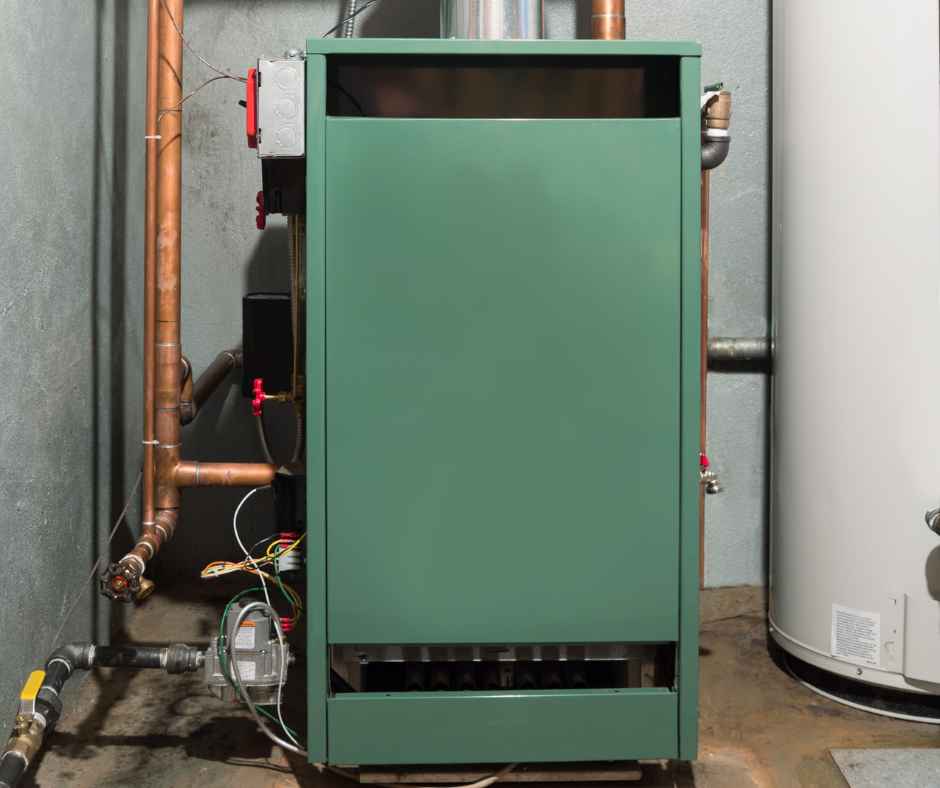
A careful inspection of your furnace or boiler is one of the most important steps in preparing for winter. South Shore homes rely heavily on heating equipment during long cold spells, which means worn or dirty components can lead to uneven heating or unexpected system failures. Checking your equipment before winter ensures your system is ready for consistent use.
Key areas to inspect:
- Burner cleanliness and flame quality
- Condition of belts, motors, and electrical connections
- Presence of unusual odors during startup
- Visible rust, corrosion, or moisture buildup around the unit
- Pilot light stability for systems that still use one
If you notice signs of damage or unusual operation, it is best to schedule professional service before temperatures drop further.
Seal Gaps and Insulate Key Areas of the Home
Heat loss is one of the most common challenges homeowners face during winter. Even a well-maintained heating system cannot operate efficiently if warm air escapes through gaps around doors and windows or through poorly insulated areas. South Shore homes can experience drafts from coastal winds, which makes sealing and insulation especially important.
Ways to reduce heat loss:
- Add weather stripping around exterior doors and windows
- Seal small gaps with caulk to prevent cold air infiltration
- Insulate attics, basements, and crawl spaces to stabilize indoor temperatures
- Use heavy curtains to reduce heat loss through older windows
Improved insulation not only keeps your home warmer but also reduces strain on your heating system throughout the winter season.
Test Carbon Monoxide and Smoke Detectors
Heating systems run for longer periods during winter, which increases the importance of working safety devices. Carbon monoxide can be especially dangerous if a furnace or boiler develops a problem, and smoke detectors are essential for early warning during any heating-related issue. South Shore homeowners should test these devices before the season begins to keep their household safe.
Safety steps to take:
- Press the test button on each device to confirm proper function
- Replace batteries at the start of winter
- Ensure detectors are installed on every level of the home
- Replace carbon monoxide detectors every five to seven years
- Keep detectors clear of dust and obstructions
Working detectors offer peace of mind and help protect your family during the colder months.
Schedule a Professional Heating Tune-Up
A professional tune-up is one of the most effective ways to ensure your heating system is ready for winter. HVAC technicians can identify minor issues before they become expensive repairs and perform detailed checks that homeowners cannot do on their own. For South Shore homes that experience frequent temperature changes and coastal moisture, expert service provides an added layer of protection.
What a professional tune-up typically includes:
- Inspection of system components for wear or damage
- Cleaning of burners, heat exchangers, and internal parts
- Testing of safety controls and electrical connections
- Verification of proper airflow and combustion
- Adjustment of system settings for winter efficiency
A yearly tune-up helps extend the life of your heating system and keeps it operating at peak performance throughout the season.
Signs Your Heating System Needs Repairs Before Winter
Recognizing early warning signs can help you avoid a breakdown during peak winter weather. Heating systems often provide subtle clues that something is wrong, and addressing these issues before temperatures drop can prevent costly emergency repairs. South Shore homeowners should stay alert to changes in performance as the heating season approaches.
Common signs of a problem:
- Rooms that heat unevenly or feel colder than usual
- Strange noises such as banging, rattling, or grinding
- A sudden increase in energy bills without a change in usage
- Persistent odors when the system runs
- Short cycling, where the system turns on and off frequently
If you notice any of these symptoms, it is best to schedule a repair before winter weather intensifies.
Keep Your South Shore Home Warm and Efficient This Winter
Preparing your heating system before cold weather arrives is one of the best ways to protect your home and maintain reliable comfort throughout the season. By following this winter heating maintenance checklist, you can improve efficiency, reduce the risk of costly repairs, and create a safer indoor environment for your family.
For professional heating services, expert inspections, or help with winter maintenance, contact us today to schedule trusted support from the Blue Bear Plumbing, Heating & Air team.
Frequently Asked Questions
How often should I have my heating system inspected if I live near the coast?
Coastal environments can introduce more moisture and salt into the air, potentially leading to faster wear on heating components. South Shore homeowners benefit from an annual inspection, though systems that run frequently or serve larger homes may require more frequent checks.Can indoor humidity levels affect how well my heating system performs?
Yes, low indoor humidity can make the air feel colder, leading to higher thermostat settings and increased energy use. Adding a humidifier or monitoring indoor moisture levels can improve comfort and reduce strain on your heating equipment.What temperature should I set my thermostat to when I am away during winter?
Most homes remain safe and energy-efficient at a setting between 60 and 65 degrees when unoccupied. This helps conserve energy while still protecting plumbing and preventing the home from becoming too cold.Are space heaters a good backup option during very cold weather?
Space heaters can be helpful for short-term use in small areas, but they should never replace regular home heating. They must be placed on stable surfaces, kept away from flammable materials, and turned off when unattended.How can I tell if my heating system is the right size for my home?
If your system runs constantly, heats inconsistently, or cycles on and off too often, it may be the wrong size. An HVAC professional can perform a load calculation to determine whether your unit matches your home’s heating needs.

Contact Us Today

Routine maintenance is vital for the longevity of your plumbing, heating, and air conditioning systems. Sign up for our Blue Care Maintenance Plan for annual service and exclusive membership benefits, including:
- Priority scheduling
- Waived service fee during normal business hours
- 10% discount on service calls
- 3% discount on new installations
- Two-year parts and labor warranty on new equipment