




Repair or Replace Your HVAC System in Massachusetts: Making the Right Decision
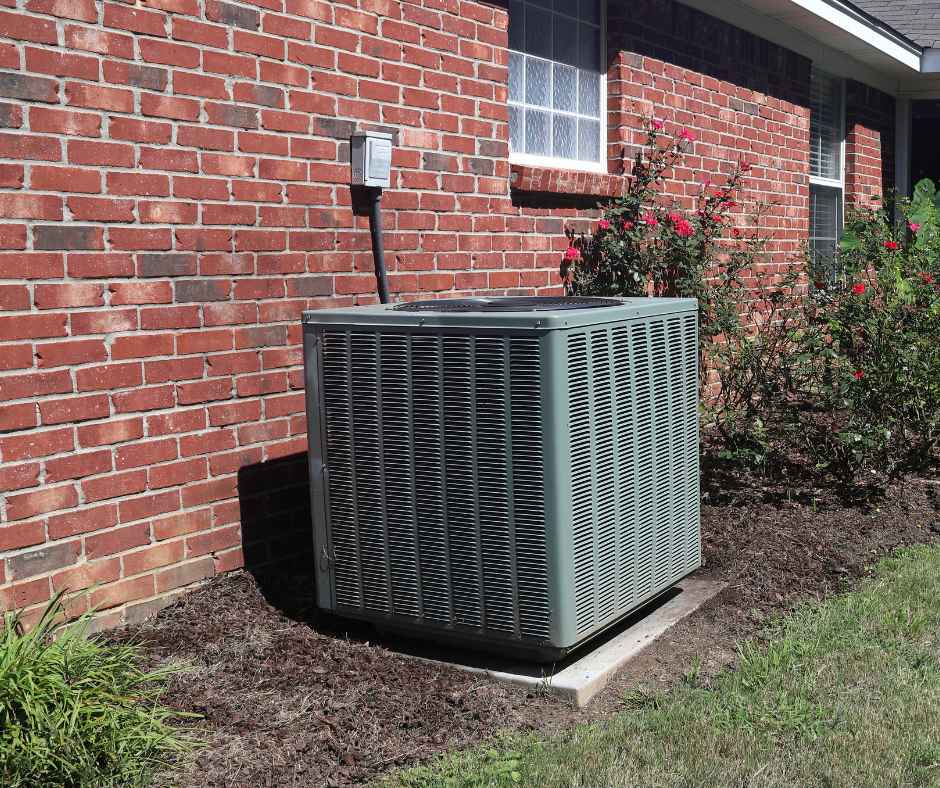
Deciding whether to sink money into an aging furnace or air conditioner or invest in a brand-new system is one of the most significant financial choices a Massachusetts homeowner will face. In the Bay State, our HVAC systems are put to the ultimate test, swinging from sub-zero winter blasts to the heavy, salt-air humidity of a South Shore summer. When a system begins to falter, the timing is rarely convenient. You are often forced to choose between a costly repair that may only buy you one more season or a full replacement that requires a larger upfront investment.
In this guide, Blue Bear Plumbing, Heating & Air will break down the critical factors that determine whether a repair is a smart move or a replacement is the most cost-effective option for your home. We will explore how local energy costs, regional rebates, and the age of your equipment all factor into making a decision that ensures your family’s comfort for years to come.
The “Rule of 5,000” and the 15-Year Mark
When you are weighing an expensive repair bill, it can be hard to judge if the cost is worth it. One of the most effective ways to decide is by using the Rule of 5,000. This is a common industry calculation used to help Massachusetts homeowners determine the financial logic of a repair.
- The Calculation: Multiply your unit’s age by the estimated repair cost.
- The Threshold: If the result is less than 5,000, a repair is usually a smart investment. If it is over 5,000, you are likely better off putting that money toward a new system.
- A Solid Choice: A $400 repair on an 8-year-old furnace equals 3,200. This is well under the threshold.
- A Warning Sign: A $600 repair on a 12-year-old air conditioner equals 7,200. In this case, a replacement is often the better long-term choice.
Why the 15-Year Milestone Matters in New England
While some manufacturers claim their systems can last 20 years, our local climate often tells a different story. In the MetroWest and South Shore areas, our systems face unique environmental stressors that shorten their lifespan.
- Extreme Temperature Swings: Rapid shifts from freezing winters to humid summers place significant stress on internal components, such as the heat exchanger.
- Coastal Corrosion: Homeowners in towns like Scituate or Quincy deal with salt air. This salt buildup can corrode outdoor coils, often shortening the lifespan of an AC or heat pump to just 10 or 12 years.
- Frequent Cycling: High humidity in Massachusetts forces systems to cycle on and off more often. This adds wear and tear to the blower motor and compressor.
- Outdated Technology: If your system is over 15 years old, it likely uses outdated refrigerants like R-22. These are increasingly expensive and difficult to source for repairs.
Using these guidelines helps you avoid the trap of patching a system that is fundamentally nearing retirement.
The Efficiency Gap: 2026 Energy Costs in the Bay State
Massachusetts homeowners face some of the highest utility rates in the country. As of January 2026, local electricity and gas prices have remained high, making your system’s efficiency a major factor in your monthly budget.
- Rising Supply Rates: With winter rates from National Grid and Eversource peaking this month, an older, “supply-heavy” system can quickly drain your finances.
- The New Heat Pump Rate: Massachusetts utilities now offer a special discount for homes that use heat pumps as their primary heating source. Eligible households can see a 23% to 25% reduction in their electric delivery charges during the winter months.
- Modern vs. Older Standards: New systems must meet strict 2026 SEER2 and AFUE efficiency standards.
- Air Conditioners: A 15-year-old unit uses roughly 50% more electricity than a modern 18 SEER2 model.
- Furnaces: An older 80% AFUE furnace wastes 20 cents of every dollar on your bill. A modern 96% AFUE model wastes only 4 cents.
- Monthly Payback: Because of our long New England winters, the monthly energy savings from a new system often cover a significant portion of the financing payment.
By upgrading now, you lock in lower operating costs before the extreme heat of summer or the next deep freeze arrives.
The 2026 Mass Save Factor: Rebates and Financing
In Massachusetts, the decision to replace is often driven by the financial support provided by the Mass Save® program. As of January 2026, the program has updated its incentive structures to prioritize high-efficiency electric equipment.
- Whole-Home Heat Pump Rebates: You can receive up to $8,500 in rebates ($2,650 per ton) if you transition to a heat pump as your sole heating and cooling source.
- Partial-Home Heat Pump Rebates: If you plan to keep your existing furnace as a backup, you may qualify for up to $8,500 at $1,125 per ton.
- Income-Qualified Incentives: Enhanced rebates are available based on household income, often covering $16,000 or the full cost of installation for moderate- to low-income residents.
- 0% HEAT Loan Financing: Mass Save offers 0% interest financing for up to $25,000, with terms up to 7 years, to help cover the remaining balance.
- New 2026 Refrigerant Rules: To qualify for any 2026 rebates, your new system must use next-generation refrigerants like R-32 or R-454B. Equipment using older R-410A no longer qualifies for incentives.
- Mandatory Assessment: To access these funds, you must have a Home Energy Assessment completed within the timeframe required by the program.
By utilizing these state-level incentives, the “out-of-pocket” cost of a new system is often reduced enough to make replacement a better financial move than a major repair on a 12-year-old unit.
Comfort Beyond the Temperature: Air Quality and Humidity
When deciding between a repair and a replacement, many homeowners focus only on whether the air coming out of the vents is hot or cold. However, modern HVAC systems offer significant health and comfort benefits that an older, repaired unit simply cannot provide. In Massachusetts, where we seal our homes tight for the winter and battle intense summer humidity, air quality is a major factor in your daily well-being.
Superior Humidity Control: Older, single-speed systems often “short-cycle,” turning on at full blast and shutting off quickly. This doesn’t give the system enough time to remove moisture from the air during a humid South Shore summer. New variable-speed systems run for longer, lower-intensity cycles, pulling significantly more humidity out of your home and preventing that “sticky” feeling.
- Continuous Air Filtration: Because modern systems can run at lower speeds for longer periods, your air is continuously filtered. This results in far less dust, pet dander, and pollen circulating through your living spaces. For families dealing with Massachusetts’ intense spring tree pollen or fall mold spores, this continuous cleaning is a game-changer.
- Eliminating Hot and Cold Spots: Older furnaces and ACs often leave certain rooms in a colonial-style home feeling drafty, while others are stuffy. Variable-speed motors adjust their output to maintain a consistent temperature within half a degree of your thermostat setting, ensuring even comfort from the basement to the attic.
- Integrated Air Quality Upgrades: While your system is being replaced, it is the ideal time to add whole-home indoor air quality (IAQ) solutions. Blue Bear can install hospital-grade HEPA filters, UV light purifiers to kill bacteria, or whole-home humidifiers that prevent dry skin and sore throats during the harsh New England winter.
- Quieter Operation: A new system is significantly quieter than an aging unit that may be rattling or banging. Modern compressors and blower motors are designed to be almost silent, which is especially noticeable in smaller homes or units located near bedrooms.
Choosing to replace your system doesn’t just fix a mechanical problem; it upgrades the very air your family breathes every day. If you find yourself constantly adjusting the thermostat or dealing with seasonal allergies indoors, a new system offers relief that a simple repair cannot match.
Environmental Impact: Phasing Out Old Refrigerants
The decision to repair or replace is increasingly influenced by federal environmental regulations that dictate which refrigerants can be used in your home. As of January 2026, the HVAC industry has hit a major milestone in the phase-out of older, high-GWP (Global Warming Potential) hydrofluorocarbons.
- The 2026 Cutoff: As of January 1, 2026, federal law prohibits the installation of new residential split systems that use R-410A. If you choose to replace your system this year, it must use next-generation refrigerants like R-32 or R-454B.
- Skyrocketing Repair Costs: While you can still legally repair an existing R-410A system, the cost of the refrigerant itself is rising. The EPA is intentionally reducing supply to encourage the transition to cleaner technology, making “recharging” a leaky older unit a poor financial investment.
- The R-22 Crisis: If your system is over 15 years old, it likely uses R-22 (Freon). Production of R-22 was banned years ago, and service technicians now rely on limited “reclaimed” stock. A single recharge of R-22 for an older unit can now cost upwards of $1,000 to $2,000, which is often half the cost of a new, efficient unit.
- Sustainability and Compliance: Moving to a modern system reduces your home’s carbon footprint. The new A2L refrigerants used in 2026 equipment have a Global Warming Potential that is roughly 75% to 80% lower than that of the systems they replace.
- Compatibility Issues: You cannot simply “drop in” new refrigerants into an old machine. The pressures and oils used in 2026 systems are fundamentally different, meaning a repair cannot “upgrade” your current unit to be environmentally compliant.
If your older unit has a refrigerant leak, repairing it is often just a temporary band-aid. Investing in a new system ensures you aren’t reliant on a dwindling supply of expensive, outdated chemicals.
When Repair is Still the Right Move
While much of the focus in 2026 is on high-efficiency replacements, there are many scenarios where repairing your current system is the most logical and responsible choice. At Blue Bear, we believe in providing honest assessments, and sometimes that means telling a homeowner their system still has several good years left.
- Your System is Under Warranty: Most major HVAC manufacturers offer a 5-year to 10-year parts warranty. If your unit is within this window, the cost of a replacement part is often covered. In these cases, you are only responsible for the labor and diagnostic fees, making a repair significantly cheaper than a full replacement.
- The Issue is Minor and Isolated: If your system has been reliable and suddenly stops working due to a blown capacitor, a faulty ignitor, or a clogged condensate line, a repair is a no-brainer. These are “wear and tear” items that can be fixed for a few hundred dollars and don’t necessarily indicate that the entire system is failing.
- The Unit is Less Than 10 Years Old: Generally, a well-maintained system that is less than a decade old is considered to be in its “prime.” Unless the system has suffered a catastrophic failure, such as a cracked heat exchanger or a seized compressor, a repair will likely restore it to full functionality for several more years.
- You Have a Strong Maintenance History: Systems that have received annual tune-ups from a professional are much more likely to benefit from a repair. Because these units have been cleaned and calibrated regularly, a single component failure is less likely to be part of a larger, systemic breakdown.
- The System Uses R-410A Refrigerant: While the industry is moving toward new eco-friendly refrigerants in 2026, R-410A is still widely available for repairs. If your AC uses this refrigerant and has a minor leak, it is far more affordable to fix than an older unit that still relies on the now-extinct R-22 (Freon).
- Short-Term Housing Plans: If you are planning to move within the next year or two, a repair might be the most practical way to maintain comfort for the short term. However, keep in mind that a new, warrantied system with a transferable guarantee can be a major selling point for Massachusetts buyers.
Making the Final Choice for Your Home
The decision to repair or replace your HVAC system is rarely about a single broken part; it is about the long-term reliability and efficiency of your home. In Massachusetts, our weather demands a system that can handle rapid shifts in temperature and humidity without failing when you need it most. By weighing your unit’s age against rising energy costs and the availability of 2026 incentives, you can choose a plan that protects both your comfort and your wallet.
If you are still unsure which path is right for you, contact Blue Bear Plumbing, Heating & Air today. Our NATE-certified technicians provide honest, expert assessments for homeowners across the South Shore and MetroWest to help you start 2026 with a system you can trust.
Frequently Asked Questions
How do I know if my system qualifies for the 2026 Mass Save rebates?
To qualify for the current rebates, your system must meet specific high-efficiency ratings and be installed by a licensed contractor in the Mass Save network. Additionally, for 2026, the equipment must use new EPA-approved refrigerants, such as R-32 or R-454B.Is it true that I can’t get parts for my old R-22 air conditioner anymore?
While some reclaimed parts and refrigerant are still available, they are becoming extremely scarce and expensive. If an R-22 unit has a major leak or a compressor failure, the repair cost often approaches that of a modern, more efficient replacement.What is the typical turnaround time for a full HVAC replacement in Massachusetts?
Most standard residential replacements can be completed in one to two days. However, because we must coordinate with Mass Save for inspections and ensure compliance with all 2026 electrical codes, the planning process usually begins a few weeks before the actual installation date.Can a new heat pump really handle a Massachusetts winter without a furnace?
Modern “cold climate” heat pumps are designed to provide efficient heat even when outdoor temperatures drop well below zero. Many homeowners in the South Shore area have successfully transitioned to whole-home heat pumps, though some still choose to keep a furnace as a backup for the most extreme weather events.Does Blue Bear offer financing for repairs if I’m not ready to replace?
Yes. We understand that a major HVAC repair can be an unexpected expense. We offer flexible financing options for both major repairs and new installations, so you don’t have to sacrifice comfort for your budget.
Contact Us Today

Routine maintenance is vital for the longevity of your plumbing, heating, and air conditioning systems. Sign up for our Blue Care Maintenance Plan for annual service and exclusive membership benefits, including:
- Priority scheduling
- Waived service fee during normal business hours
- 10% discount on service calls
- 3% discount on new installations
- Two-year parts and labor warranty on new equipment