


How to Prepare Your South Shore Home When Leaving for the Holidays
Holiday travel can leave your home vulnerable to winter-related heating and plumbing issues, especially in the South Shore region, where freezing temperatures, coastal storms, and sharp temperature changes are common. Homes that sit empty during cold weather face increased risks of frozen pipes, leaks, and heating system failures. Preparing your plumbing and heating systems before you leave helps protect your home from costly damage and provides peace of mind throughout your trip.
In this blog, we will guide you through the essential steps to prepare your South Shore home for the holidays with a focus on plumbing and heating safety.
Set Safe Indoor Temperatures to Protect Plumbing
Maintaining a safe and steady indoor temperature is one of the most important steps when preparing your home for winter travel. South Shore homes experience significant cold spells that can quickly freeze pipes in basements, crawl spaces, and exterior walls if temperatures drop too low. Keeping your home warm enough while you are away helps prevent plumbing failures and water damage.
Recommended temperature practices:
- Set your thermostat to at least 60 degrees to protect at-risk pipes
- Allow interior doors to remain open for better heat circulation
- Open cabinet doors under sinks to let warm air reach plumbing
- Keep vents clear so your heating system can maintain steady airflow
- Use a smart thermostat for remote monitoring and temperature alerts
A safe indoor temperature reduces the risk of frozen pipes and helps your heating system operate more efficiently while you are away.
Prepare and Inspect Your Heating System Before You Leave
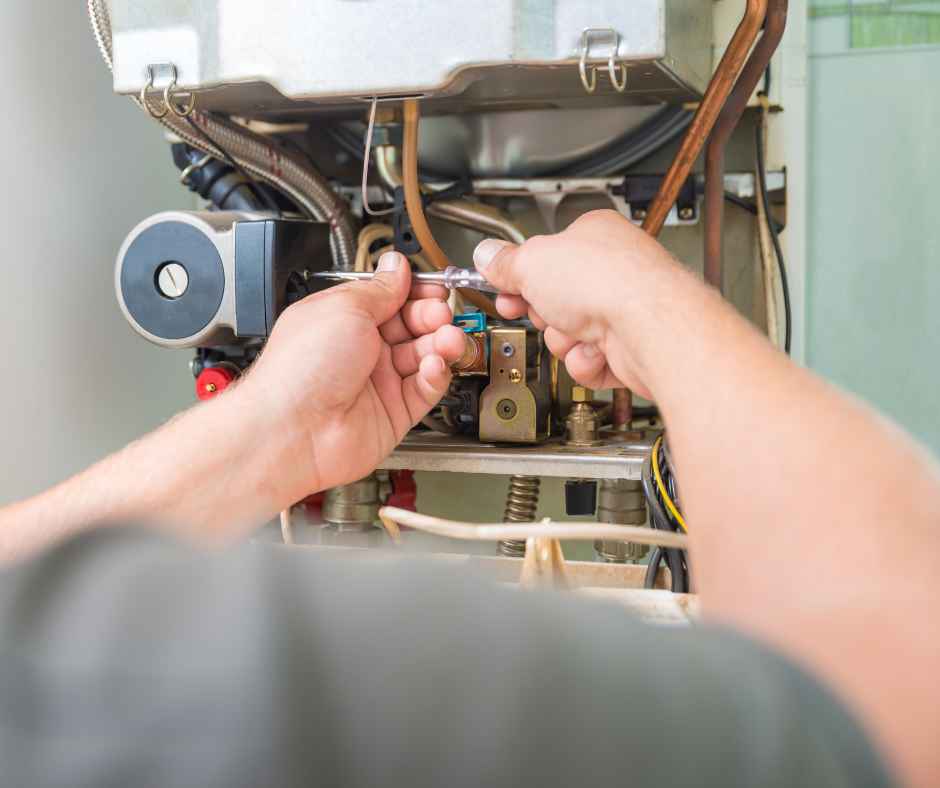
A heating system that is not functioning properly can fail during extreme cold, leaving your home unprotected from freezing temperatures. South Shore homes rely heavily on heating equipment during winter, so ensuring your system is ready before you leave is essential. A quick inspection helps prevent breakdowns and keeps your home safely heated throughout your holiday trip.
Heating system steps before vacation:
- Replace your furnace filter to improve airflow and system efficiency
- Listen for unusual noises during operation that may indicate a problem
- Confirm vents and registers are fully open and unobstructed
- Check your thermostat for accurate temperature control
- Schedule a heating tune-up if it has been more than a year
Proper heating system preparation reduces the risk of unexpected failures and helps your home stay warm while you are away.
Inspect and Insulate Exposed Pipes
Exposed pipes are highly vulnerable to freezing during the winter, especially in unheated or drafty areas of South Shore homes. When a pipe freezes, pressure builds inside the line, which can cause a burst and lead to significant water damage. Inspecting and insulating these pipes before leaving for the holidays provides essential protection.
Steps to protect exposed pipes:
- Identify pipes located in basements, crawl spaces, garages, attics, or exterior walls
- Add foam pipe insulation sleeves to create a thermal barrier
- Use heat tape on pipes in extremely cold or draft-prone locations
- Seal nearby air leaks to prevent cold air from reaching pipes
- Make sure insulation is secure and covers all vulnerable areas
Taking time to insulate exposed pipes helps reduce the risk of freezing and keeps your plumbing system safer while your home is unoccupied.
Shut Off or Adjust Your Home’s Water Supply
Managing your home’s water supply is one of the most effective ways to prevent leaks and water damage while you are away for the holidays. If a pipe freezes or bursts while your home is unoccupied, shutting off the water supply can limit the amount of damage. South Shore homeowners should evaluate how long they will be gone and choose the safest option for their plumbing system.
Water supply steps before vacation:
- Turn off the main water valve if you will be away for more than a few days
- After shutting off the valve, briefly open faucets to relieve pressure
- If you prefer to leave the water on, shut off individual supply valves to appliances such as washing machines
- Check for visible leaks around sinks, toilets, and water lines
- Consider having a plumber winterize your plumbing if you expect extended travel
Properly managing your water supply adds a layer of protection and helps prevent major plumbing issues in your absence.
Prepare Your Water Heater for Your Time Away
Your water heater works harder during colder months, and leaving it running at full output while you are away can waste energy and increase wear. Preparing the unit before your trip helps reduce utility costs and protect your home from potential leaks or malfunctions. South Shore homeowners benefit from taking time to adjust water heater settings before leaving for an extended holiday trip.
Water heater steps before vacation:
- Set the unit to vacation mode if your model offers this setting
- If no vacation mode is available, lower the temperature to about 120 degrees
- Check for leaks around the tank and supply lines
- Insulate the tank or hot water pipes to reduce heat loss
- Turn off the water heater only if you have also shut off the main water supply
These steps help maintain efficiency and reduce the risk of water heater issues while your home is unoccupied.
Test and Prepare Sump Pump and Drainage Systems
Winter storms, melting snow, and coastal moisture can increase the risk of basement flooding in many South Shore homes. A sump pump that is not working properly can fail during heavy weather, leaving your home unprotected while you are away. Testing your sump pump and inspecting drainage systems before holiday travel helps prevent water damage and ensures your home is ready for changing winter conditions.
Sump pump and drainage steps:
- Pour water into the sump pit to confirm the pump activates and drains properly
- Check the discharge line for clogs, freezing risks, or improper positioning
- Clear debris from the sump basin to support smooth operation
- Inspect the check valve to make sure water cannot flow back into the pit
- Consider adding a battery backup to protect against power outages
- Verify that exterior French drains or yard drains are clear
A reliable sump pump and functioning drainage system help protect your basement from moisture and flooding while your home is unoccupied.
Check for Plumbing Leaks and Slow Drains Before Traveling
Small plumbing problems can turn into major issues when a home is left unattended during winter. A slow drain, minor leak, or worn seal may seem harmless, but cold temperatures can worsen these issues and lead to water damage. Checking for leaks and drainage problems before leaving helps South Shore homeowners avoid unexpected plumbing emergencies during holiday travel.
What to inspect before your trip:
- Look for water pooling under sinks or around toilet bases
- Run each faucet and observe whether the water drains quickly
- Check supply lines behind appliances for moisture or corrosion
- Listen for gurgling noises in drains, which may indicate developing clogs
- Flush toilets to ensure they refill and drain properly
- Examine exposed plumbing joints for signs of rust or dripping
Addressing these concerns before you leave helps protect your home from leaks, backups, or pipe failures while you are away.
Seal Drafts Around Plumbing Areas to Prevent Freezing
Cold drafts entering your home can quickly lower the temperature around plumbing lines, even if the rest of the house stays warm. Pipes located under sinks, inside exterior walls, or in poorly insulated rooms are especially vulnerable during South Shore winters. Sealing drafts before you leave helps create a more stable indoor environment and reduces the risk of frozen pipes.
Areas to inspect and seal:
- Spaces under the kitchen and bathroom sinks where pipes pass through the walls
- Gaps around plumbing lines in basements and crawl spaces
- Openings near utility rooms or laundry areas
- Cracks around windows or doors close to plumbing
- Cold spots in rooms that are not regularly heated
By sealing these areas, you help keep warm air where it belongs and protect vulnerable pipes from freezing while your home is unoccupied.
Protect Against Power Outages That Affect Heating Systems
Winter storms and coastal winds can cause power outages across the South Shore, disrupting heating systems and increasing the risk of frozen pipes while you are away. Preparing your home for potential outages helps maintain a safer indoor environment and reduces the chance of heating-related problems during your holiday travel.
Steps to prepare for outages:
- Install surge protectors on your heating system and major appliances
- Use a smart thermostat that can send alerts if your home temperature drops too low
- Ensure backup batteries are functioning in thermostats and sump pumps
- Consider a portable generator or backup power solution for extended outages
- Make sure vents and heating equipment are free of obstructions before traveling
Planning ahead for outages helps your heating system recover quickly and keeps your home protected from temperature drops that can damage plumbing.
Ask Someone to Check In on Your Home
Even with thorough preparation, having someone monitor your home while you travel greatly reduces the risk of undetected heating or plumbing issues. A simple check-in can catch early signs of frozen pipes, leaks, or heating system malfunctions before they become serious. South Shore homeowners benefit from enlisting a trusted neighbor, friend, or family member to perform quick inspections while they are away.
What your home checker should look for:
- Drops in indoor temperature may indicate heating problems
- Unusual noises from the furnace or boiler
- Signs of frozen or sweating pipes
- Water around sinks, toilets, or basement areas
- Sump pump activity or standing water during storms
- Alerts from smart thermostats or monitoring devices
Regular check-ins help ensure your heating and plumbing systems stay protected throughout your holiday trip.
Keep Your South Shore Home Protected While You Travel
Preparing your heating and plumbing systems before leaving for the holidays is one of the most effective ways to safeguard your South Shore home throughout the winter season. From setting safe indoor temperatures to inspecting exposed pipes and confirming your heating system is running correctly, each step plays an important role in preventing damage while you are away. By following this checklist, you can enjoy your holiday travel with confidence, knowing your home is well-protected.
For expert help with winter plumbing or heating maintenance, contact us today to schedule trusted service from Blue Bear Plumbing, Heating & Air.
Frequently Asked Questions
How long can I safely leave my home during winter without turning off the water?
Most homeowners can leave for a short trip without shutting off the water, as long as the thermostat is set to a safe temperature. For longer trips of several days or more, shutting off the main water valve is the safest option to prevent leaks or burst pipes.Should I leave interior lights on when I travel for the holidays?
Leaving one or two indoor lights on a timer can help deter intruders and create the appearance that someone is home. This also allows your home checker to easily observe conditions inside.What temperature drop alerts should I set on my smart thermostat?
Set alerts for indoor temperatures below 60 degrees, as this may indicate a heating system failure or a risk of pipe freezing.Does draining outdoor faucets help protect indoor plumbing during winter travel?
Yes. Draining outdoor faucets and shutting off exterior water lines help reduce pressure in the connected plumbing and prevent hidden freeze-related issues that can impact indoor pipes.Can I close off unused rooms to save heat while I am away?
It is better to keep interior doors open so warm air can circulate freely. Closing off rooms can create cold pockets around plumbing lines, increasing the risk of freezing.

Contact Us Today
Routine maintenance is vital for the longevity of your plumbing, heating, and air conditioning systems. Sign up for our Blue Care Maintenance Plan for annual service and exclusive membership benefits, including:
- Priority scheduling
- Waived service fee during normal business hours
- 10% discount on service calls
- 3% discount on new installations
- Two-year parts and labor warranty on new equipment