




Beyond the Buzz: Choosing the Best Heat Pump Repair Professionals in Quincy
HVAC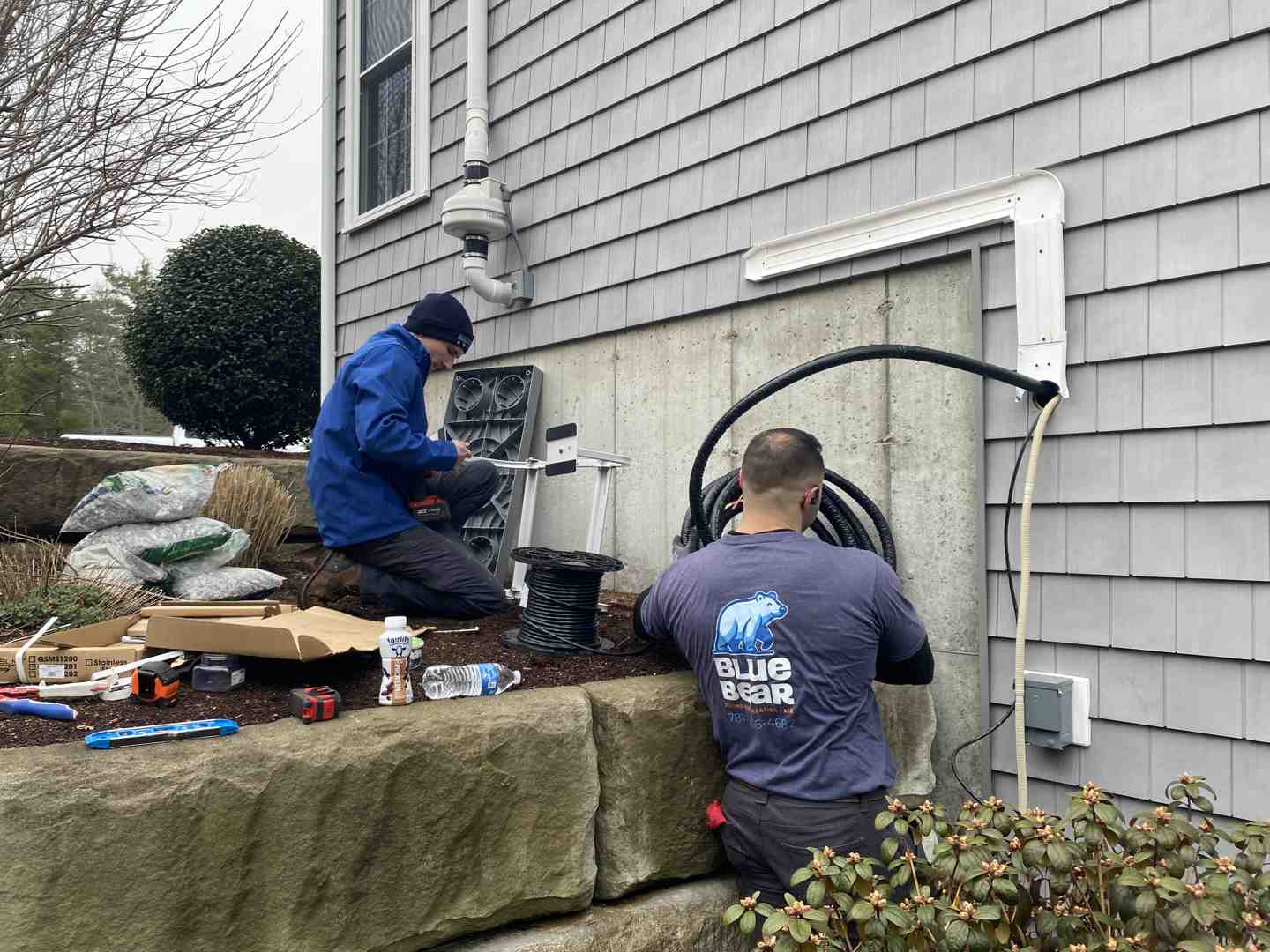
Finding the Best Heat Pump Repair in Quincy, MA
Choosing the heat pump repair best in Quincy, MA is essential for maintaining your home’s comfort and efficiency. When your heat pump acts up, you need a reliable professional who understands the unique demands of Quincy’s climate, from chilly winters to humid summers. A malfunctioning system isn’t just an inconvenience; it’s a disruption to your home’s peace and your budget. Finding an expert for heat pump repair who understands these local challenges is key to getting your system back on track quickly and reliably, preventing minor issues from becoming major headaches.
For comprehensive HVAC solutions, explore Our HVAC Services. If you need immediate assistance, Contact Us Today.
I’m Marc Provenzano, Marketing Manager at Blue Bear Plumbing, Heating & Air. My mission is to connect Quincy homeowners with the honest, quality heat pump repair best in Quincy, MA has to offer, building trust and loyalty through transparent service.
Understanding Your Heat Pump: Common Issues in Quincy, MA
Heat pumps are remarkable systems, working diligently year-round to keep your Quincy home comfortable. Unlike traditional furnaces or air conditioners that generate heat or cold, heat pumps simply move it. In the winter, they extract heat from the outside air and transfer it indoors. In the summer, the process reverses, pulling heat from your home and releasing it outside. This heat transfer is accomplished through a refrigerant cycle.
However, even these efficient systems can encounter problems, especially when facing Quincy’s specific climate challenges. Our humid summers and demanding winters, coupled with the corrosive effects of salt air, can take a toll on outdoor units. Common failure points often include issues with the compressor, the reversing valve, dirty coils, refrigerant leaks, and electrical malfunctions. Understanding how your system works is the first step in identifying when it might need attention from the heat pump repair best in Quincy, MA.
Immediate Red Flags: Signs Your Heat Pump Needs Urgent Attention
Sometimes, your heat pump doesn’t just whisper its troubles; it shouts them. Ignoring these loud warnings can lead to more extensive damage and a complete loss of comfort. Here are some immediate red flags indicating your heat pump needs urgent professional attention:
- No Heating or Cooling: The system isn’t providing conditioned air or has stopped working entirely.
- Loud Grinding or Metallic Noises: These sounds often indicate serious mechanical problems, like a failing motor or compressor, which can lead to catastrophic failure.
- Electrical Smells or Burning Odors: Any burning smell from your HVAC system is an emergency. It could signal overheating components or a fire hazard.
- System Won’t Turn On or Constantly Trips Breakers: If your heat pump refuses to start or repeatedly trips your electrical breaker, there’s an underlying electrical problem that needs immediate diagnosis.
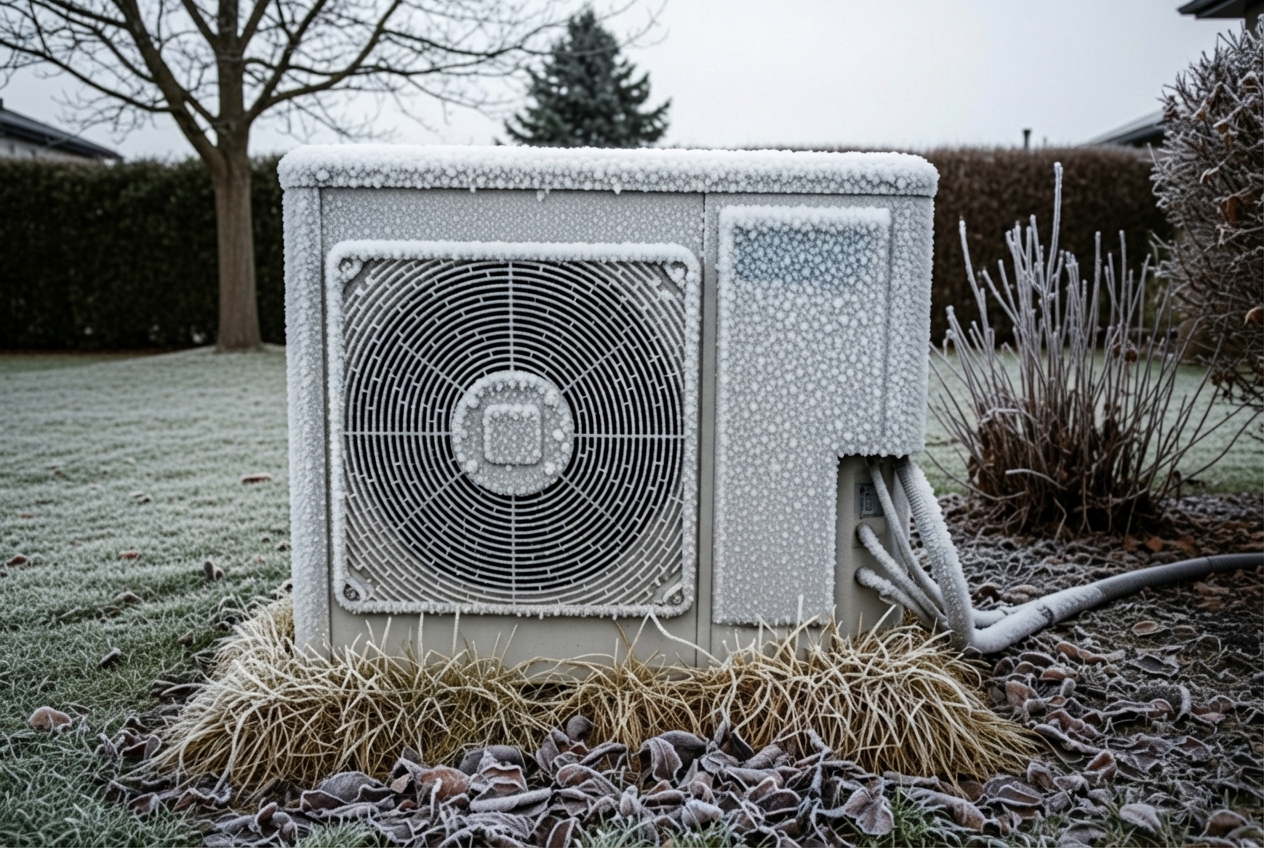
- Excessive Ice Buildup on Coils: While some frost is normal in winter, a thick layer of ice on your outdoor unit’s coils suggests a serious issue, such as a refrigerant leak, restricted airflow, or a malfunctioning defrost cycle.
When you notice any of these symptoms, it’s time to act fast. Our team is ready to provide rapid response and expert heat pump repair in Quincy, MA, to restore your home’s safety and comfort.
Subtle Clues: Early Warning Signs of Heat Pump Trouble
Not all heat pump issues announce themselves with dramatic flair. Often, your system will give you subtle hints that something is amiss. Paying attention to these early warning signs can help you prevent minor problems from escalating into major, more costly repairs.
- Strange Noises: Beyond loud grinding, listen for unusual sounds like buzzing, gurgling, or persistent rattling, which can indicate electrical issues, refrigerant leaks, or loose parts.
- Short Cycling: If your heat pump turns on and off frequently, it’s “short cycling.” This increases wear and tear on your system and drives up energy bills.
- Rising Energy Bills: A mysterious climb in your electrical bills often indicates your system is working harder than it should to maintain temperatures.
- Weak Airflow: If the air from your vents feels weaker than usual, it could be a sign of a dirty air filter, blocked ducts, or issues with the blower motor.
- Inconsistent Temperatures: Are some rooms too hot while others are too cold? This can indicate problems with your heat pump’s ability to distribute conditioned air evenly.
If you observe any of these subtle clues, it’s a good idea to schedule a professional inspection. Early detection and heat pump repair in Quincy, MA, can save you from future headaches and ensure your system runs efficiently.
The Value of Proactive Care: Maintenance vs. Repair
Think of your heat pump like your car: regular oil changes and tune-ups keep it running smoothly and prevent major breakdowns. The same principle applies to your heat pump. Proactive care, in the form of routine maintenance, is often far more beneficial and cost-effective than waiting for a repair.
The benefits of professional heat pump maintenance are numerous:
- Energy Efficiency: A well-maintained heat pump operates at peak efficiency, meaning it uses less energy to heat and cool your home. Neglected systems can consume 10-25% more electricity, translating to higher utility bills.
- Extended Lifespan: A well-installed and well-maintained heat pump lasts an average of 12 to 20 years. Regular servicing prevents premature wear and tear, helping your system reach the upper end of that range.
- Preventing Costly Repairs: Maintenance allows technicians to identify and address minor issues before they escalate into expensive breakdowns. An annual tune-up can catch a loose wire or a low refrigerant level before it damages major components.
- Improved Air Quality: Clean filters and coils contribute to better indoor air quality, reducing allergens and pollutants in your home.
- Twice-a-Year Service: Since your heat pump works year-round, we recommend preventive maintenance twice a year—ideally in the spring to prepare for cooling season and in the fall to get ready for heating season. This ensures optimal performance through Quincy’s varied climate.
What to Expect During a Professional Maintenance Visit
When our skilled technicians perform a heat pump maintenance service, it’s a thorough process designed to optimize your system’s performance and catch potential issues early. Here’s what a comprehensive maintenance checklist typically includes:
- Cleaning Coils: Both indoor and outdoor coils are cleaned to ensure efficient heat transfer. Dirty coils significantly hinder performance and increase energy consumption.
- Checking Refrigerant Levels: We verify that your system has the correct amount of refrigerant. Low levels can indicate a leak and reduce efficiency.
- Lubricating Moving Parts: Motors and fans have moving parts that require lubrication to reduce friction and prevent premature wear.
- Inspecting Electrical Connections: All electrical connections are checked for tightness and integrity, preventing potential fire hazards and ensuring reliable operation.
- Testing Thermostat Function: We ensure your thermostat is accurately reading temperatures and communicating correctly with your heat pump.
- Checking Airflow: We evaluate airflow through your system and ductwork to ensure proper distribution and efficiency.
- Blower Motor Inspection: The blower motor is inspected for proper operation and cleanliness, as it’s crucial for moving air throughout your home.
- Examining Connections and Wiring: We look for any loose wiring, short circuits, or damaged connections.
- Inspecting Pipes for Leaks or Corrosion: All piping is checked for any signs of leaks or corrosion that could impact performance.
This meticulous approach ensures your heat pump is ready to tackle the demands of Quincy’s weather, providing reliable comfort and efficiency.
DIY Heat Pump Maintenance Tips for Quincy Homeowners
While professional maintenance is essential, there are several things you can do between visits to keep your heat pump running smoothly and efficiently. These simple steps can make a big difference:
- Changing Air Filters: This is perhaps the most crucial DIY task. A dirty air filter restricts airflow, forcing your heat pump to work harder and consume more energy. We recommend changing flat filters monthly and pleated filters every three months.
- Keeping Outdoor Unit Clear: Ensure there’s at least a foot of clear space on all sides and five feet on top of your outdoor unit. Remove any leaves, grass clippings, weeds, or other debris that could obstruct airflow.
- Clearing Snow and Ice: During Quincy’s winters, keep snow and ice away from your outdoor unit. While heat pumps have a defrost cycle, excessive buildup can impede operation.
- Gently Washing the Unit: If your outdoor unit looks dusty or dirty, you can gently wash the outside with a low-pressure hose after turning off the power. This helps remove grime that can accumulate on the coils.
- Visual Inspection: Periodically walk around your indoor and outdoor units. Look for any visible damage, loose wires, or unusual signs. Early detection of a problem can prevent it from worsening.
These homeowner maintenance tasks, combined with professional tune-ups, are key to maximizing your heat pump’s performance and lifespan.
Making the Call: When to Repair vs. Replace Your Heat Pump
Deciding whether to repair your existing heat pump or invest in a new one can be a tough call. It often comes down to a balance of the unit’s age, the frequency and cost of repairs, and its current efficiency. A well-installed and well-maintained heat pump typically lasts 12 to 20 years.
Here’s a general guide to help you weigh your options:
| Scenario | Recommendation |
|---|---|
| Heat Pump is New (0-5 years old) | Repair: Generally the best option. Minimal cost, maximal utility. |
| Heat Pump is Mid-Life (5-10 years old) | Repair: Often recommended, especially for minor issues. Consider replacement if repairs are frequent or costly. |
| — | — |
| Heat Pump is New (0-5 years old) | Repair: Generally the best option. Minimal cost, maximal utility. |
| Heat Pump is Mid-Life (5-10 years old) | Repair: Often recommended, especially for minor issues. Consider replacement if repairs are frequent or costly. |
| Heat Pump is Older (10+ years old) | Replacement: Strongly consider replacement, especially if repairs are frequent, major, or involve R-22 refrigerant. |
| — | — |
| Heat Pump is New (0-5 years old) | Repair: Generally the best option. Minimal cost, maximal utility. |
| Heat Pump is Mid-Life (5-10 years old) | Repair: Often recommended, especially for minor issues. Consider replacement if repairs are frequent or costly. |
| Heat Pump is Older (10+ years old) | Replacement: Strongly consider replacement, especially if repairs are frequent, major, or involve R-22 refrigerant. |
| Frequent Breakdowns | Replacement: If you’re constantly calling for repairs, the system is likely at the end of its reliable life. |
| Major Component Failure | Replacement (often): If the compressor or coils fail, especially in an older unit, replacement can be more cost-effective. |
| Poor Energy Efficiency | Replacement: If your bills are high and the system struggles to maintain comfort, a new, more efficient unit will save you money in the long run. |
| R-22 Refrigerant Leak | Replacement: R-22 (Freon) is phased out and expensive to replace. A leak in an R-22 system often makes replacement the practical choice. |
Signs It Might Be Time for a Replacement
Sometimes, a repair is just a temporary band-aid. If you find yourself frequently calling for heat pump repair in Quincy, MA, it might be a sign that your system is waving the white flag. Here are key indicators that it could be time to consider a replacement:
- Repairs Needed Frequently: If your heat pump seems to break down every few months, the cumulative cost of repairs can quickly approach the price of a new unit. Investing in a new system often makes more financial sense.
- Unit is Over 12-15 Years Old: While a heat pump can last up to 20 years with excellent maintenance, efficiency naturally declines with age. If your unit is consistently around or past the 12-15 year mark, replacement often offers better performance and energy savings.
- Frequent Breakdowns: An aging system is prone to more frequent and unpredictable breakdowns. Instead of living with the anxiety of when it will fail next, a new system provides peace of mind and reliable comfort.
- Poor Energy Efficiency: Older heat pumps simply aren’t as efficient as today’s ENERGY STAR® certified models. If your energy bills are consistently high, a new unit could significantly reduce your heating and cooling costs. Upgrading to an ENERGY STAR® heat pump can save up to 20% on heating and cooling expenses.
- Obsolete Refrigerant Type (R-22): If your heat pump uses R-22 (Freon) refrigerant and develops a leak, repairing it can be extremely costly. R-22 is environmentally damaging and no longer manufactured, making it scarce and expensive. In such cases, replacement with a system that uses modern, environmentally friendly refrigerants is often the most practical and responsible choice.
When repairs exceed half the cost of a new heat pump, or if your system is showing multiple signs of old age and inefficiency, it’s a strong signal to consider the long-term benefits of a new, high-efficiency heat pump installation.
How to Find the Heat Pump Repair Best in Quincy, MA
When your comfort is on the line, choosing the right professional for heat pump repair in Quincy, MA, is paramount. You need a team that understands both the technology and the unique demands of our local climate. Here’s what to look for to ensure you’re getting the heat pump repair best in Quincy, MA:
- Local Expertise: A company rooted in Quincy understands the challenges our homes face, from older constructions to the impact of coastal weather on outdoor units.
- Licensed and Insured: This is non-negotiable. It protects you and ensures the technicians are qualified.
- Highly Trained Technicians: Look for professionals trained on the latest heat pump technologies, including ducted and ductless models. Ask if they have experience with your specific brand.
- Comprehensive Diagnostics: A quality technician won’t guess. They use advanced tools to find the root cause of the problem, checking everything from refrigerant levels to electrical components.
- Transparent Communication: You deserve clear, jargon-free explanations of the problem, the proposed solution, and the costs involved before any work begins.
- 24/7 Emergency Service: HVAC emergencies don’t keep business hours. A reliable company offers emergency services for when you need help most.
- Strong Warranties and Guarantees: A reputable company stands behind its work with a satisfaction guarantee and clear warranties on parts and labor.
- Positive Customer Reviews: Check online ratings and testimonials to gauge a company’s reliability, professionalism, and customer satisfaction.
Our friendly, local team is committed to high-quality workmanship, attentive customer care, and integrity. We provide upfront pricing and reliable solutions, striving to be the heat pump repair best in Quincy, MA, by prioritizing your comfort and satisfaction.
Frequently Asked Questions About Heat Pump Repair
We often hear similar questions from homeowners regarding their heat pump systems. Here are answers to some of the most common inquiries, custom to the Quincy, MA, homeowner:
How do heat pumps work in Quincy’s cold winters?
Heat pumps are incredibly efficient, even in Quincy’s chilly winters. They don’t generate heat; they extract existing heat from the outside air and transfer it into your home. However, their efficiency does decrease as outdoor temperatures drop. Heat pumps are most effective when winter lows remain above approximately 40°F, with efficiency dropping sharply near 25°F.
For colder climates like ours, modern heat pumps often incorporate advanced features:
- Supplemental Heat: During deep freezes, when the heat pump struggles to extract enough heat, it will automatically engage a supplemental heat source (like electric resistance coils or a furnace) to ensure your home stays warm.
- Cold-Climate Models: Look for models with a high Heating Seasonal Performance Factor (HSPF), specifically designed for colder regions, which can operate efficiently at lower temperatures.
- Defrost Cycle: When outdoor coils get too cold, frost can build up. Heat pumps have a defrost cycle that temporarily reverses the refrigerant flow to melt this ice, which can sometimes cause a “swooshing” noise. This is a normal part of their operation in winter.
We can help ensure your heat pump is optimized for Quincy’s specific winter demands, potentially integrating with other heating systems for maximum efficiency.
What is a heat pump maintenance plan and what should it include?
A heat pump maintenance plan, or membership program, is a proactive way to ensure your system receives regular, professional care. These plans are designed to extend your heat pump’s lifespan, maintain its efficiency, and give you peace of mind. A good maintenance plan should typically include:
- Two Annual Tune-ups: Since heat pumps work year-round, plans usually include a visit in the spring for cooling season preparation and another in the fall for heating season preparation.
- Comprehensive System Checks: These tune-ups involve all the detailed inspections and cleanings we discussed earlier, such as checking refrigerant levels, cleaning coils, inspecting electrical connections, and lubricating moving parts.
- Priority Service: As a plan member, you often receive priority scheduling for any repair needs, meaning faster response times when you need us most.
- Discounts on Repairs: Many plans offer exclusive discounts on parts and labor should your heat pump require repairs outside of routine maintenance.
- Extended Equipment Lifespan: Regular maintenance prevents minor issues from becoming major problems, helping your system last longer.
- Lower Utility Bills: An efficiently running system consumes less energy, leading to noticeable savings on your heating and cooling costs.
Investing in a maintenance plan is an excellent way to protect your comfort and your investment, ensuring your heat pump continues to perform optimally in Quincy.
Will a repair affect my Mass Save® rebate eligibility?
No, generally, a heat pump repair will not affect your eligibility for Mass Save® rebates. Mass Save® programs are primarily designed to incentivize energy-efficient upgrades and installations, such as replacing an old, inefficient system with a new, high-efficiency heat pump.
In fact, having a well-maintained system is often a prerequisite or a requirement to qualify for certain incentives. Repairs are about restoring your current system to proper working order, not upgrading it. If your heat pump is relatively new and repairable, fixing it is usually the recommended course of action.
However, if you’re considering a full heat pump replacement, then Mass Save® can offer significant incentives. For example, qualifying Mitsubishi Heat Pumps can be eligible for rebates up to $10,000. Our team can help you steer the Mass Save® programs and understand how repairs versus replacements impact your potential savings, assisting with paperwork and ensuring your system meets the necessary qualifications. We’re here to provide honest advice on the most cost-effective and energy-efficient solution for your home.
Your Partner for Year-Round Comfort in Quincy
When it comes to your home’s comfort in Quincy, your heat pump plays a starring role. We’ve explored the various signs that indicate your system might need attention, from subtle clues like rising energy bills to urgent red flags like loud grinding noises. We’ve also highlighted the immense value of proactive maintenance in extending your heat pump’s lifespan and preventing costly repairs.
Choosing the heat pump repair best in Quincy, MA, means selecting a partner you can trust—a team that offers local expertise, highly trained and licensed technicians, transparent communication, and a commitment to your satisfaction. At Blue Bear Plumbing, Heating & Air, we understand Quincy’s unique climate and the demands it places on your home comfort systems. Our friendly, local team is dedicated to providing the high-quality workmanship and attentive customer care you deserve, ensuring your home remains a haven of comfort, no matter the season.
Don’t let heat pump troubles disrupt your peace of mind. Whether you need a routine check-up, a quick repair, or are considering a full system replacement, we are here to provide reliable solutions with integrity.

Contact Us Today

Routine maintenance is vital for the longevity of your plumbing, heating, and air conditioning systems. Sign up for our Blue Care Maintenance Plan for annual service and exclusive membership benefits, including:
- Priority scheduling
- Waived service fee during normal business hours
- 10% discount on service calls
- 3% discount on new installations
- Two-year parts and labor warranty on new equipment