


Winter Plumbing Maintenance Checklist for South Shore Homes
South Shore winters bring freezing temperatures, strong coastal winds, and heavy moisture, all of which can place added stress on a home’s plumbing system. Frozen pipes, leaks, and unexpected water damage are common risks when temperatures drop, especially in homes with older plumbing or exposed pipework. Taking steps to prepare early helps protect your home, conserve energy, and avoid costly emergency repairs.
In this blog, we will outline a complete winter plumbing maintenance checklist designed for South Shore homeowners who want to keep their plumbing system safe, reliable, and ready for the cold season ahead.
Why Winter Plumbing Maintenance Is Essential for South Shore Homes
Winter conditions in the South Shore region can cause rapid temperature changes, placing additional pressure on plumbing systems. Cold air can freeze exposed pipes, coastal moisture can accelerate wear, and heavy storms can overwhelm drainage systems. Without proper preparation, homeowners may face issues that lead to expensive repairs or water damage during peak winter weather.
Common winter plumbing risks include:
- Frozen or burst pipes caused by extreme temperature drops
- Leaks forming in older or corroded plumbing lines
- Reduced water pressure during frigid conditions
- Overloaded sump pumps during heavy storms
- Water heater strain due to increased winter usage
Understanding these challenges helps homeowners take proactive steps to protect their plumbing throughout the season.
Inspect and Insulate Exposed Pipes
Exposed pipes are among the most vulnerable parts of a plumbing system during winter. When temperatures drop, any unprotected pipe in an unheated area can freeze, increasing pressure inside the line and potentially causing a burst pipe. South Shore homes often have exposed plumbing in basements, crawl spaces, garages, and exterior walls, making early inspection and insulation essential.
Steps for protecting exposed pipes:
- Identify pipes in unheated or drafty areas
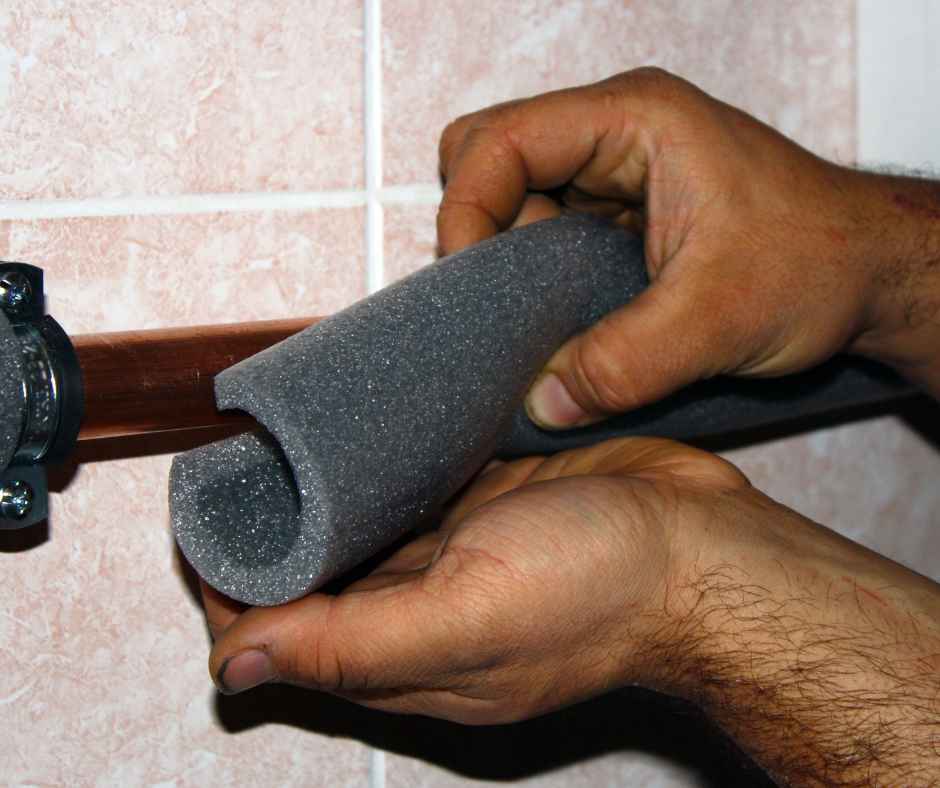
- Use foam pipe insulation sleeves to create a protective barrier
- Add heat tape to pipes in exceptionally cold locations
- Check for gaps or cracks that allow cold air near pipes
- Ensure outdoor and basement areas stay as warm as possible
Adequate insulation helps reduce the risk of freezing and supports consistent water flow throughout the winter season.
Check Outdoor Spigots, Hoses, and Irrigation Lines
Outdoor plumbing components are among the first to freeze during cold weather, making proper winterization essential for South Shore homeowners. Water left in hoses, spigots, and irrigation lines can freeze and expand, leading to cracks or leaks that may go unnoticed until spring. Taking a few simple steps before winter settles in helps protect these exterior connections.
How to winterize exterior plumbing:
- Disconnect all hoses and store them indoors
- Shut off water to exterior spigots if your home has a dedicated valve
- Drain remaining water from outdoor faucets
- Install insulated faucet covers to prevent freezing
- Have irrigation systems professionally blown out before the first freeze
These precautions help prevent damage and reduce the risk of water leakage once temperatures rise again.
Test Sump Pump and Basement Drainage Systems
South Shore homes often face heavy rain, melting snow, and rising groundwater during winter. A reliable sump pump is essential for preventing basement flooding and moisture buildup. Testing your sump pump before severe weather arrives ensures it responds quickly when water levels rise.
Steps to confirm your sump pump is ready:
- Pour water into the sump pit to check that the pump activates
- Listen for unusual sounds during operation
- Clean debris from the pit to promote proper drainage
- Inspect the discharge line for blockages or ice risks
- Consider a battery backup system for winter power outages
A functioning sump pump helps protect your basement from water damage during winter storms and thaw cycles.
Inspect Water Heater Performance and Temperature Settings
Your water heater works harder during winter as incoming water temperatures drop and household demand increases. Ensuring the unit is in good condition helps maintain steady hot water and prevents performance issues during the coldest months. South Shore homes, especially older properties, benefit from early inspection to avoid sudden failures.
Key steps for winter water heater readiness:
- Set the temperature to around 120 degrees for safety and efficiency
- Listen for rumbling sounds that may indicate sediment buildup
- Check for leaks around the tank or connections
- Flush the tank if it has not been serviced recently
- Insulate the tank and hot water pipes to reduce heat loss
Proper maintenance improves efficiency and extends your water heater’s lifespan throughout the winter season.
Seal Air Leaks Around Plumbing Areas
Cold air entering the home can quickly chill plumbing lines, especially those located in basements, crawl spaces, under sinks, or along exterior walls. Even small drafts can lower the temperature around pipes enough to increase the risk of freezing. Sealing these gaps helps maintain a warmer environment around your plumbing and reduces the chances of winter damage.
Areas to inspect and seal:
- Gaps around plumbing penetrations under sinks
- Openings around the basement or crawl space pipes
- Cracks near exterior walls where cold air can enter
- Spaces around washing machine or dishwasher lines
- Areas around utility rooms and water heater enclosures
Using caulk, expanding foam, or weather stripping can help keep cold air out and protect vulnerable pipe sections during freezing temperatures.
Maintain Proper Indoor Temperatures During Cold Spells
Keeping consistent indoor temperatures is an important part of winter plumbing protection. Extreme cold can cause pipes inside walls or unheated rooms to freeze, even if the rest of the home remains warm. South Shore homeowners should pay attention to interior temperature settings during long cold spells or when leaving the home for extended periods.
Recommended temperature practices:
- Keep your thermostat set to at least 60 degrees when away
- Open cabinet doors to allow warm air near the kitchen and bathroom pipes
- Leave interior doors open to promote better heat circulation
- Use space heaters carefully in drafty areas to supplement warmth
- Avoid shutting off the heat entirely during winter travel
Maintaining safe indoor temperatures helps prevent frozen pipes and reduces the risk of bursting during severe cold.
Know the Early Warning Signs of Winter Plumbing Issues
Recognizing early indicators of plumbing problems can help South Shore homeowners avoid major water damage during winter. Cold temperatures can create subtle symptoms before a pipe freezes or a leak appears. Monitoring your plumbing system throughout the season lets you respond quickly and minimize the impact of unexpected issues.
Early warning signs to watch for:
- A sudden drop in water pressure
- Frost or condensation forming on exposed pipes
- Strange smells coming from drains or sinks
- Slow-draining fixtures during freezing weather
- Unusual sounds such as gurgling or dripping behind walls
If you notice these signs, taking action quickly can help prevent more serious plumbing problems as winter conditions persist.
Schedule Professional Winter Plumbing Maintenance
A professional plumbing inspection is one of the best ways to ensure your home is prepared for winter. Licensed plumbers can identify hidden issues, provide expert guidance, and perform maintenance tasks that help prevent frozen pipes and winter-related damage. South Shore homes, especially those exposed to coastal weather, benefit from regular professional care.
What a winter plumbing inspection may include:
- Checking for leaks in visible and concealed pipes
- Testing water pressure and flow throughout the home
- Inspecting the water heater for performance concerns
- Evaluating sump pump and drainage system readiness
- Recommending insulation or repairs for vulnerable areas
Professional maintenance helps keep your plumbing system safe, efficient, and ready for cold weather.
Protect Your South Shore Home with Winter-Ready Plumbing
Preparing your plumbing system before winter arrives is one of the most effective ways to prevent frozen pipes, leaks, and costly repairs throughout the season. By following this winter plumbing maintenance checklist, South Shore homeowners can keep their water systems safe, efficient, and better equipped for cold-weather challenges.
For expert plumbing assistance, seasonal inspections, or winterization help, contact us today to schedule reliable service with Blue Bear Plumbing, Heating & Air.
Frequently Asked Questions
Can slow-draining sinks be a sign of winter-related plumbing problems?
Yes, slow-draining fixtures during cold weather can indicate partial freezing or the formation of blockages in pipes. If the issue becomes worse during freezing temperatures, it should be inspected promptly.Should I leave faucets dripping during very cold nights?
A slow drip can help relieve pressure in pipes that are at risk of freezing. This practice is useful for pipes along exterior walls or in unheated spaces during extreme cold spells.How do I protect plumbing in a vacant home during winter?
Keep the heat set above 55 degrees, shut off the main water supply, and drain water from fixtures. Consider professional winterization if the home will remain empty for several weeks.Is it safe to use space heaters near plumbing to prevent freezing?
Space heaters can help warm cold areas, but they must be used carefully. Keep them on stable surfaces and away from flammable materials, and never leave them running unattended.How often should I flush my water heater during the winter?
Flushing once a year is generally enough for most homes. If you notice reduced hot water output or unusual noises, a mid-season flush may improve performance.
Contact Us Today
Routine maintenance is vital for the longevity of your plumbing, heating, and air conditioning systems. Sign up for our Blue Care Maintenance Plan for annual service and exclusive membership benefits, including:
- Priority scheduling
- Waived service fee during normal business hours
- 10% discount on service calls
- 3% discount on new installations
- Two-year parts and labor warranty on new equipment